Follow Us on Google
By Adewale Sanyaolu
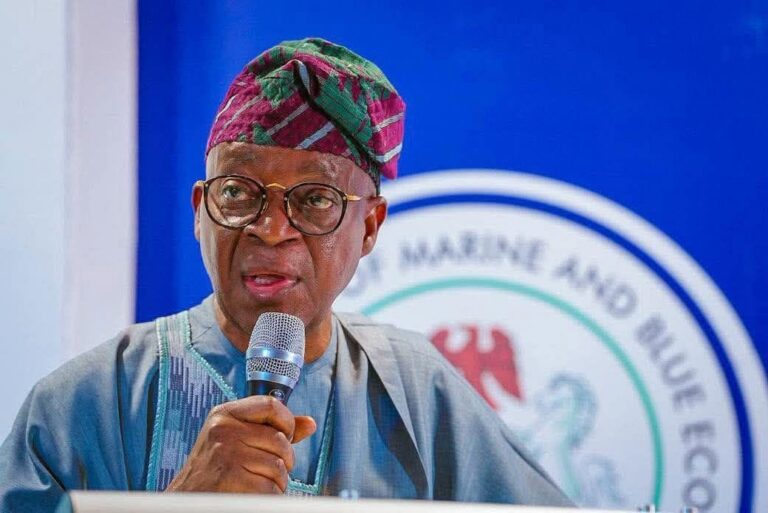
Nigeria and other African countries limited refining capacity has led to daily fuel imports of 120 million litres, Minister of Petroleum Resources(Oil), Heineken Lokpobiri has said.
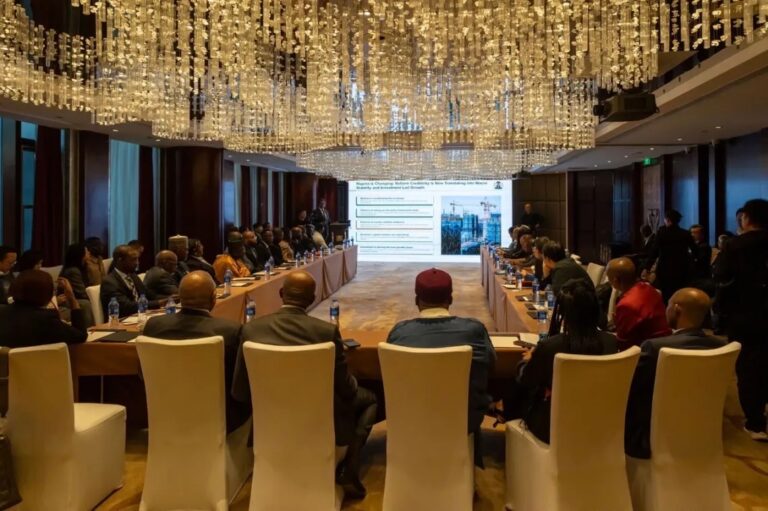
The Minister stated this at opening ceremony of the Oil Traders Logistics(OTL) Africa Downstream Energy Week, 2025, with the Theme: “Energy Sustainability:Growth Beyond Boundaries and Competition” which began in Lagos yesterday.
Lokpobiri said; “By 2024, data showed that African countries collectively invested about $120 billion worth of hydrocarbon resources, yet, there is no corresponding market for it. This means we are not getting the full value we should because we have limited refining capacity and weak distribution networks. Most of the money goes back to countries outside Africa that invested in these resources.”
He said that the target of the Nigerian government is to see how it can retain a large proportion of this capital within the country’s borders. To attain the target, he said that Nigeria is planning to launch the West African Petroleum Market.
Other News
According to him, the idea is to make Nigeria the refinery and distribution hub for the entire continent. “The whole of Africa is waiting for Nigeria to take the lead as a major supplier and distributor of petroleum products. Recall that every volume of petroleum product imported into Nigeria eventually finds its way across the West African regional market,” he said.
He added that the International Energy Agency (IEA), which for years has been one of the strongest proponents of the net-zero vision — a campaign that has threatened the value of oil and gas globally — has now acknowledged the need for sustained upstream investment. The Minister disclosed that the 2025 IEA Report clearly shows that the world needs to invest about $540 billion annually in upstream oil and gas to avoid a global energy crisis by 2050.
“So, those who have been promoting the net-zero narrative are now realising that without adequate oil and gas investment, the world will face an energy crisis.
He stated that oil and gas currently account for over 50 per cent of global energy demand, and by 2050, the world’s GDP will still depend heavily on hydrocarbons.
“Going by this new global narrative, if we combine investments across the entire value chain — upstream, midstream, and downstream — the world will need to invest over $700 billion annually to avoid an energy crisis by 2050. That’s good news for Nigeria.”