Follow Us on Google

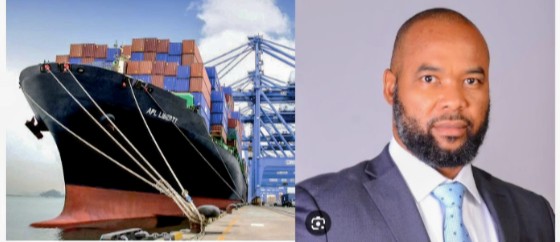
Nigeria’s ambition to grow its economy to $1 trillion by 2030 could be undermined by a shortage of locally owned ships, with the country needing an additional 613 vessels to meet the demands of expanding trade.
This is the position of a maritime lawyer, Dr Emeka Akabogu, SAN, who insists that Nigeria must grow its fleet from the current 307 ships to about 920 within the next four years to strengthen its capacity to move goods, support international trade and maximise opportunities in the maritime sector.
He warned that the country’s current rate of fleet expansion was too slow to meet the shipping demands expected from a $1 trillion economy, leaving Nigeria at risk of depending heavily on foreign-owned vessels to move its imports and exports.
Akabogu spoke while presenting a paper titled, “Can Nigeria’s Seaports Carry a One-Trillion-Dollar Economy by 2030?” at the National Conference of the Network of Nigerian Maritime Journalists (NNMJ), at the weekend in Lagos.
According to figures in his presentation, Nigeria had about 307 Nigerian-owned ships in 2025.
However, if the current growth trend continues, the number may rise by only 41 to approximately 348 vessels by 2030.
This would leave the country with a deficit of about 572 ships against the estimated 920 vessels needed to support a $1 trillion economy.
The presentation also showed that Nigeria’s locally owned fleet has a combined carrying capacity of about 7.12 million deadweight tonnes (DWT), compared with an estimated requirement of 21.4 million DWT.
Deadweight tonnage measures the total weight a ship can safely carry, including cargo, fuel and other supplies.
Akabogu’s projections highlight the challenge facing Nigeria’s maritime industry as the country seeks to expand its economy and trade. A larger economy would mean more goods moving in and out of the country, requiring sufficient vessels to transport them.
Other News
He warned that investing in modern seaports without developing local shipping capacity would leave Nigeria dependent on foreign shipowners to move much of its cargo.
According to him, port expansion must go hand in hand with investment in Nigerian-owned vessels if the country is to benefit fully from increased international trade.
The maritime lawyer called for a more practical approach to the management of the Cabotage Vessel Financing Fund (CVFF), recommending that loans should be given to shipowners with verifiable cargo contracts and credible plans for recruiting and retaining qualified seafarers.
He argued that the fund should translate into vessels that can operate commercially and generate returns, rather than remain tied to financing arrangements that fail to deliver ships.
Akabogu also stressed the importance of developing Nigerian seafarers and creating a business environment that encourages greater local participation in the shipping industry.
He noted that expanding the country’s fleet would require not only access to finance but also skilled manpower and the right conditions for shipowners to operate profitably.
The presentation further put Nigeria’s annual net payments for transport services at about $4.5 billion, highlighting the financial cost of relying heavily on foreign shipping companies.
Akabogu warned that Nigeria could grow its economy and increase trade volumes by 2030 but still lose a significant portion of the business and revenue to foreign operators if it fails to invest deliberately in indigenous shipping.
He maintained that developing local shipping capacity is critical to ensuring that Nigerians benefit from the economic opportunities that a $1 trillion economy would create.