Follow Us on Google

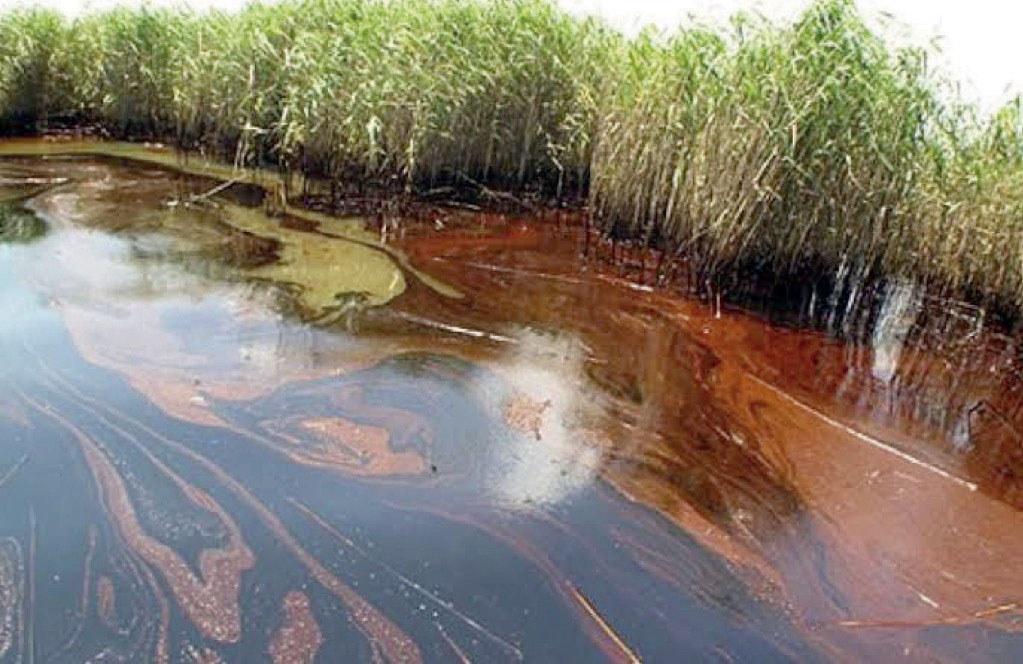
The prosperity of Nigeria’s oil economy continues to come at a heavy human and environmental cost for communities in the Niger Delta, where gas leaks, oil spills and ageing infrastructure are threatening lives and livelihoods.
From Bille in Rivers State to Uzere in Delta State, the ravaging pollution has raised genuine concerns about environmental safety, regulatory oversight and the future of host communities.
For residents of Bille, a riverine community in Degema Local Government Area of Rivers State, the environment that has sustained generations of fishermen and their families is increasingly becoming a source of anxiety.
What began as reports of unusual gas bubbles emerging from the ground and surrounding water bodies in October 2025 has developed into a prolonged environmental and public safety emergency, with investigations now revealing potentially serious threats to underground water resources and the integrity of oil and gas infrastructure in the area.
The bubbling gas, which residents say has continued at different locations, has raised concerns about the safety of their drinking water, the health of aquatic ecosystems and the possibility of fire and explosion.
The situation has become particularly troubling following the disclosure by the Nigerian Upstream Petroleum Regulatory Commission (NUPRC) that preliminary investigations indicated contamination of the community’s first aquifer, an underground geological formation that stores and transmits groundwater.
For a community heavily dependent on fishing and other natural resources, the implication is enormous.
Access to safe drinking water, which should be a basic necessity, has become an environmental concern requiring government intervention.
The threat is not confined to groundwater. Residents have also reported damage to mangroves and declining populations of fish and periwinkles, raising fears that the seepage could further undermine the ecological balance of an already environmentally vulnerable Niger Delta community.
The implications extend to household incomes, food security and the survival of an economy built around fishing and the exploitation of natural resources.
Indeed, the crisis has disrupted normal community life, with schoolchildren reportedly having to relocate to another community for safety.
More disturbing is the death of a 28-year-old resident, Joy Amos, following an explosion in her room on September 3, 2026, which Amnesty International suspects was linked to the persistent gas emissions in the community.
Amos reportedly suffered severe burns in the incident and died on September 22 after being transferred to Port Harcourt for treatment.
Amnesty International, which investigated the incident, said the room occupied by the deceased had reportedly exhibited gas-bubbling sounds beneath its cemented floor, accompanied by a noticeable gas-like odour, long before the explosion.
The organisation’s Executive Director in Nigeria, Isa Sanusi, described her death as a tragic indication of the danger facing residents.
“Joy’s death comes amid a wider, uncontained environmental emergency in Bille community that continues to endanger residents’ lives daily,” Sanusi said.
He also disclosed that other safety incidents had been recorded, including the collapse of a woman following reported gas-induced dizziness, the collapse of a schoolteacher while performing her duties and multiple domestic fire outbreaks associated with localised gas seepage.
Amnesty International, however, said it was not claiming that gas exposure had definitively caused Amos’s death, calling instead for a transparent and independent medical investigation.
The circumstances surrounding the explosion nevertheless underline the urgency of addressing the seepage and protecting residents from further danger.
28 wells screened, 13 classified high-risk
More than a year after the first reported occurrence, the source of the gas seepage remains unresolved.
The latest disclosure by the NUPRC provides a disturbing insight into the scale of the problem. At the 44th Annual International Conference and Exhibition of the Nigerian Association of Petroleum Explorationists (NAPE), which ended in Lagos last week, NUPRC disclosed that it had screened 28 oil and gas wells around the affected locations as part of efforts to establish the source of the seepage.
Of these, three were classified as very high risk, 10 as high risk and 15 as medium to low risk.
This means that 13 of the 28 wells assessed, representing approximately 46.4 per cent, fall within the high and very-high-risk categories.
The findings raise serious questions about the condition of petroleum infrastructure in the area and whether adequate measures were taken to ensure the integrity of wells and associated facilities.
The investigation team physically visited 14 wells but could not access three others because they were submerged.
During the visits, the team observed gas hissing from some wells, while some facilities were found to be corroded and others vandalised.
The Director, Subsurface Development, NUPRC, Joseph Ogunsola, who presented the technical findings through a representative, explained that one of the wells was originally drilled in search of oil but was shut down following the discovery of gas.
The well is approximately 2.5 kilometres from the seepage location, while other wells in the vicinity are between 2.5 and three kilometres away.
Although investigations have yet to establish whether the seepage originates from that particular well or other nearby facilities, the discovery of corroded infrastructure and gas escaping from some wells underscores the need for a comprehensive assessment of petroleum assets in the area.
The Commission has engaged in an independent technical investigation involving Gas Chromatography-Isotope Ratio Mass Spectrometry (GC-IRMS) and compositional field analysis to establish the source and nature of the emissions. Results are expected in the fourth quarter of 2026.
However, while the scientific investigation is important, residents cannot be expected to remain exposed to potential environmental and health risks until the final determination is made.
The Commission has acknowledged the possibility that if the seepage is established to be a natural geological phenomenon, relocation of residents may become necessary because tracing underground migration pathways and designing interventions could be considerably more difficult.
Experts warn of environmental catastrophe
The gravity of the Bille incident has attracted concerns from environmental scientists and civil society organisations, particularly over the possible consequences of prolonged gas emissions and the condition of abandoned petroleum infrastructure.
An expert in Applied Mycology, Phytopathology and Environmental Biotechnology at the University of Uyo, Prof. Adeniyi Sanyaolu, described the gas seepage as a serious environmental emergency requiring urgent intervention.
Sanyaolu, who was quoted by Premium Times said the situation was commonly associated with oil and gas production where operators failed to comply with environmental regulations.
He argued that the situation could have been avoided if abandoned oil and gas facilities had been properly decommissioned.
According to him, where facilities remain operational, urgent maintenance and overhaul of ageing pipelines, valves and joints are necessary to prevent further leakage.
He warned that continuous gas emissions could have consequences for living organisms and the physical environment, including possible degradation of soil quality and agricultural productivity.
He also highlighted potential health risks associated with prolonged exposure to harmful gases, including respiratory illnesses and other adverse health conditions.
The don called for immediate intervention to address the leaks, insisting that the affected facilities must either be properly maintained or completely decommissioned where they are no longer required.
His concerns are reinforced by findings from environmental advocacy groups. Social Justice Manager at Social Action, Prince Edegbuo, believes the seepage could be associated with an abandoned gas well that was not properly decommissioned.
Although this remains a hypothesis pending the NUPRC’s technical findings, Edegbuo warned that the situation presented a grave danger to residents.
He described the community as sitting on “gunpowder”, arguing that the continued exposure of residents to uncontrolled gas emissions could result in a major disaster.
He also criticised the authorities for what he considered an inadequate response to the crisis, calling for urgent intervention and, where necessary, the evacuation of residents.
Social Action further disclosed that its air-quality assessments detected methane, volatile organic compounds and hydrogen sulphide around affected locations.
The organisation reported methane concentrations exceeding 36 per cent of the Lower Explosive Limit at a tested location, raising concerns about fire and explosion risks.
The findings are particularly significant given the reported domestic fire incidents and the explosion that claimed the life of Joy Amos.
Groundwater contamination, threat to fisheries
Beyond the immediate risk of fire and explosion, the reported contamination of Bille’s groundwater and the threat to its aquatic ecosystem present another dimension of the environmental crisis.
During a Federal Government visit to the community in July, the NUPRC Chief Executive Officer, Mrs. Oritsemeyiwa Eyesan, acknowledged that preliminary assessments indicated that the first aquifer had been contaminated.
She assured residents that the Commission would provide potable water while working towards a sustainable solution.
The disclosure is significant because groundwater remains an important source of domestic water supply in many riverine communities.
Contamination could expose residents to petroleum-related substances and increase their dependence on externally supplied drinking water.
It also raises questions about the possible migration of contaminants through underground geological formations and the extent to which other water sources may be affected.
The environmental consequences could extend to the community’s fishing economy.
Mangroves provide important breeding and nursery grounds for fish and other aquatic organisms, while also protecting riverbanks against erosion and supporting the ecological balance of coastal environments.
Their degradation could therefore affect fish populations, reduce fishing yields and undermine the livelihoods of households dependent on aquatic resources.
Residents have reported declining fish and periwinkle populations, although the extent to which the current seepage has contributed to the decline requires independent ecological assessment.
For a community whose economic survival is closely linked to its natural environment, the implications are serious.
Uzere: Oil well failure threatens farms, water bodies
The environmental concerns in Bille are not isolated from developments elsewhere in the Niger Delta.
In Uzere Kingdom, Isoko South Local Government Area of Delta State, another environmental emergency involving gas emissions and crude oil escape at Heritage Energy Operational Services(HEOSL) Limited’s Well 14 has exposed the vulnerability of host communities to petroleum infrastructure failures.
The incident, which reportedly occurred on June 26, 2026, resulted in the escape of crude oil and gas, threatening surrounding farmlands, water bodies and other environmentally sensitive areas.
The consequences have been particularly concerning for residents whose livelihoods depend on farming and fishing.
A field assessment by the Health of Mother Earth Foundation (HOMEF), an environmental advocacy organisation, raised concerns over the prolonged discharge of petroleum substances into the environment before containment and remediation activities were intensified.
The organisation alleged that the damaged wellhead continued discharging crude oil, gas and other petroleum substances more than a month after the incident.
It also expressed concern that the affected site was close to farmlands, fish ponds, lakes, swamps and a gas flare facility, raising fears that flooding could spread the pollution beyond the immediate location.
The chairman of the Uzere Oil and Gas Committee, Mr. Sylvanus Evroro, said the consequences of the incident could be devastating for the community.
“About 90 per cent of our people are farmers and fishers. If this blowout is not contained immediately, our farms, fish ponds, lakes and swamps will be seriously affected, with grave consequences for livelihoods and food production,” Evroro said.
He called for immediate containment, environmental cleanup and compensation for affected residents.
Other News
HOMEF also questioned the pace of the response and called on Heritage Energy to deploy appropriate emergency measures, undertake comprehensive remediation and allow independent observers access to the affected location.
The organisation further urged NOSDRA to make the findings of the Joint Investigation Visit public and ensure that remediation activities met applicable environmental standards.
Heritage responds, relocates more than 100 residents
Heritage Energy subsequently announced that it had contained the spill and intensified cleanup and remediation activities at the affected location.
The company also relocated more than 100 residents as a precautionary measure while investigations into the reported gas emissions continued.
During a multi-agency visit to Uzere involving the NUPRC, National Emergency Management Agency (NEMA), Delta State Emergency Management Agency (SEMA), NOSDRA and other stakeholders, the company’s Manager, Community Relations, Jeremiah Oharisi, said it was working with community leaders and the local government council to protect residents.
He explained that the company had sustained gas sampling, air-quality assessments and monitoring across identified locations.
Heritage Energy also engaged independent technical experts to analyse gas samples, while the NUPRC facilitated the engagement of Norwegian technical experts to undertake additional sampling and advanced isotope analysis.
The company said it had deployed emergency response personnel and fire trucks and was working with relevant authorities on environmental restoration, medical outreach and relief support.
It also committed to continued engagement with the traditional council on broader remediation and compensation once the spill was fully contained.
The Delta State Governor, Sheriff Oborevwori, who visited the affected area, said the company had commenced containment and recovery exercises and expressed satisfaction with the cleanup activities.
He cautioned residents against interpreting the time taken to address some complaints as a lack of commitment, explaining that established procedures had to be followed.
However, the company’s interventions have not eliminated the need for independent verification of the extent of environmental damage and the effectiveness of the remediation programme.
The distinction is important because containing a spill is not the same as restoring a damaged environment.
Heritage disputes delay claims
In its response to concerns raised over the initial containment period, Heritage Energy’s General Manager, Esosa Anenih, disclosed that the incident was reported to NOSDRA within 25 hours.
She also said a Joint Investigation Visit involving NOSDRA, the state Ministry of Petroleum Resources and community representatives was immediately convened.
Anenih explained that the investigation into the wellhead explosion was ongoing and that further visits had been scheduled to examine the wellhead for possible clues.
Ageing infrastructure and regulatory oversight under scrutiny
Beyond the immediate environmental consequences, the incidents in Bille and Uzere raise a fundamental question about the management and maintenance of Nigeria’s petroleum infrastructure.
The discovery of corroded, submerged and vandalised facilities during the Bille investigation should concern both regulators and operators.
Oil and gas wells require continuous monitoring and maintenance throughout their operational lives. Where they are suspended or abandoned, operators are expected to ensure that they are properly secured to prevent the escape of hydrocarbons into the environment.
The condition of these facilities therefore raises questions about well-integrity management, abandonment procedures, decommissioning obligations and the effectiveness of regulatory surveillance.
While the NUPRC has not established that any of the 28 wells screened caused the Bille seepage, the findings provide sufficient grounds for a wider investigation into the condition of petroleum assets in the area.
The same scrutiny should apply to the circumstances surrounding the Well 14 incident in Uzere.
If investigations establish that the incident resulted from inadequate maintenance, equipment failure or weaknesses in well-control systems, the operator would need to explain what went wrong and whether appropriate preventive measures were in place.
An environmental activist, Nnimmo Bassey, has consistently called for stronger scrutiny of oil companies and regulatory agencies in the Niger Delta.
Speaking at the 2026 Correspondents’ Week organised by the Correspondents’ Chapel of the Nigeria Union of Journalists in Rivers State, Bassey urged journalists to independently investigate pollution incidents rather than rely solely on official narratives from oil companies.
He warned against accepting claims that spills resulted from sabotage or illegal activities before investigations had been concluded, arguing that equipment failure and poorly maintained infrastructure must also receive adequate attention.
According to him, journalists have a responsibility to expose environmental abuses and ensure that the extent of pollution in the Niger Delta is properly documented.
Bassey also called for comprehensive environmental and health audits across the region, alongside urgent remediation of polluted sites and abandoned oil infrastructure.
His position reinforces the need for independent assessments of both Bille and Uzere rather than relying exclusively on assurances from operators and regulators.
Who holds oil operators accountable?
The incidents also bring the effectiveness of Nigeria’s environmental regulatory framework into focus.
Under the Petroleum Industry Act (PIA) and the Upstream Petroleum Environmental Regulations 2022, operators have specific responsibilities relating to environmental management, pollution prevention, spill containment, reporting, remediation and emissions monitoring.
The regulations require operators to report spills within stipulated timelines, participate in joint investigations, assess environmental impacts and undertake appropriate remediation.
They also provide for regulatory oversight of environmental restoration and greenhouse gas emissions management.
In the case of Uzere, questions were raised following reports that the spill was not reflected on NOSDRA’s Oil Spill Monitor more than five weeks after the incident.
The reporting and publication timelines, the findings of the Joint Investigation Visit and the extent of regulatory enforcement therefore deserve scrutiny.
In Bille, the central regulatory concern is whether the condition of the wells and associated infrastructure received adequate attention before the gas seepage became a prolonged environmental emergency.
The NUPRC’s decision to screen 28 wells and engage independent technical experts is a significant step towards establishing the source of the problem.
However, the duration of the crisis raises questions about the speed of the initial response and the adequacy of measures taken to protect residents while investigations continued.
Regulators must also explain the ownership and operational history of the high-risk wells, the status of abandoned facilities and the steps being taken to secure installations that could pose further environmental threats.
The objective should not simply be to identify the source of the seepage but to establish whether there were failures in infrastructure management, regulatory supervision or compliance with environmental obligations.
Where breaches are established, appropriate sanctions should follow.
Host communities bear the economic cost
Perhaps the most consequential aspect of the two incidents is the impact on the economic and social foundations of the affected communities.
For Bille, the reported contamination of groundwater and threats to aquatic biodiversity could undermine fishing, one of the community’s principal economic activities.
A decline in fish and periwinkle populations would translate into reduced household incomes, food insecurity and increased economic vulnerability.
The relocation of schoolchildren also illustrates how environmental emergencies can disrupt education and impose additional burdens on families.
In Uzere, the implications are similarly significant.
Community representatives have indicated that farming and fishing account for the livelihoods of a substantial proportion of residents.
The contamination of farmland and water resources could therefore threaten the economic survival of households that depend on these activities.
There is also the longer-term psychological burden associated with uncertainty over the safety of homes, drinking water and the environment.
For residents who have lived around petroleum operations for decades, the prospect of losing access to the natural resources that sustain their livelihoods represents another dimension of the cost of oil production.
This is why relief materials and temporary accommodation, while necessary, cannot substitute for environmental restoration and appropriate compensation.
Affected residents need transparent assessments of their losses and a credible framework for restoring their livelihoods.
Beyond emergency response
The Federal Government and relevant regulatory agencies must now demonstrate that the environmental responsibilities introduced under the Petroleum Industry Act are more than regulatory provisions on paper.
For Bille, this requires the immediate provision of sustainable potable water, continued monitoring of air quality, comprehensive medical assessments and the securing of potentially defective or abandoned wells.
The NUPRC should also publish the findings of its technical investigation once available, including the ownership and operational status of the wells screened and any enforcement action arising from identified infractions.
The circumstances surrounding Joy Amos’s death also require an independent investigation to establish the cause of the explosion and determine whether there were preventable failures in protecting residents.
For Uzere, the priority should be independently verified environmental restoration, comprehensive testing of affected farmland and water bodies, sustained health monitoring and a transparent compensation process.
NOSDRA should also make relevant spill investigation findings available to the public to strengthen confidence in the remediation process.
More importantly, both incidents should trigger a broader audit of ageing, suspended and abandoned petroleum infrastructure across the Niger Delta.
The condition of wells and facilities should be assessed before they become sources of environmental emergencies, rather than after communities begin reporting gas bubbles, oil discharges or contaminated water.
Nigeria’s petroleum industry cannot be judged solely by the volume of crude oil produced, investments attracted or revenue generated.
Its success must also be measured by the safety of the communities where its resources are extracted and the ability of those communities to live, farm and fish without fear that petroleum operations will destroy their natural environment.
From Bille to Uzere, the message is that the environmental cost of oil exploration and production can no longer be treated as a peripheral issue in Nigeria’s energy development.
The country must confront the growing challenge of infrastructure integrity, environmental accountability and regulatory enforcement before more host communities are forced to pay the price.
For communities that have contributed to Nigeria’s oil wealth for decades, access to clean water, safe farmland and a healthy environment should not be a privilege. It should be a fundamental obligation of an industry that depends on their land and resources.