Follow Us on Google

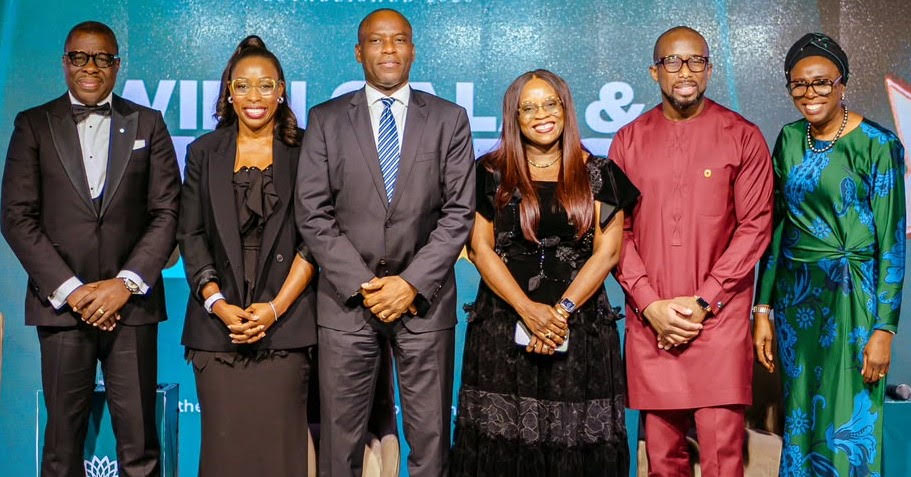
A new digital platform designed to help African content creators, professionals and intellectual property owners protect their work, receive recognition and earn money from anywhere in the world has been launched by indigenous socio-economic organisation, WAWU.
The platform, known as WHO MADE THIS? (WMT), is expected to address the challenges that have long prevented African creators from earning fair income from their intellectual property, even as their music, films, art and other creative works attract audiences worldwide.
WAWU said the platform would provide digital tools for creators and professionals to establish verified identities, protect ownership of their work, sell their products and receive payments across international borders.
Speaking at the launch, WAWU Chief Executive Officer, Emmanuel Lennox, said African creators had the talent and global audience but lacked the infrastructure to turn their popularity into sustainable income.
“Attention is not income. African creators have never lacked talent or audience. They have lacked infrastructure. WHO MADE THIS? gives them a place to put their name on their work and be paid for it,” Lennox said.
He explained that the platform was developed to address years of exploitation of African talents by providing them with the tools to establish ownership of their work and earn money from international markets. “We built WMT to let creators and professionals build a verified identity, sell their work, and get paid from anywhere in the world. Payments, intellectual property protection, and cross-border income must no longer be out of reach at scale,” he said. According to him, WMT goes beyond being an online marketplace, as it combines financial services, creative tools, professional networking, education and commerce in one digital platform.
Its features include the ability to send and receive money from anywhere in the world and in different currencies, while its WAWU Creative Studio provides artificial intelligence (AI) tools for producing voice recordings, music, videos, images and written content.
The platform also offers an all-in-one digital hub for professional networking, buying and selling, digital products, financial services and learning.
Lennox said users would also have access to digital identity services that could open doors to credit, education, healthcare and family support services.
He added that WMT was launching with the backing of organisations that had already worked with WAWU on skills development and economic empowerment programmes.
He disclosed that WAWU recently completed the Federal Government’s 10 Million Youths and Women Upskilling and Empowerment Initiative, launched through the Office of the Vice President and coordinated by the Presidential Committee on Economic and Financial Inclusion (PreCEFI).
The organisation also works with global learning partner, Alison, and six professional bodies, including the Institute of Chartered Accountants of Nigeria (ICAN), Chartered Institute of Bankers of Nigeria (CIBN), Chartered Risk Management Institute of Nigeria (CRMI), Chartered Institute of Stockbrokers (CIS), National Institute of Credit Administration (NICA) and Nigeria Institute of Innovation and Entrepreneurship (NIIE).
Through these partnerships, WAWU said it had trained millions of Nigerians in digital skills, financial literacy, creative arts and entrepreneurship.
Lennox said the new platform would help beneficiaries turn the skills acquired through the training programmes into income-generating opportunities.
Other organisations supporting the initiative include AfreximBank, Development Bank of Nigeria (DBN), Enterprise Development Centre (EDC), Innovation Support Network (ISN), Pistis Life and Leadership Institute of The Elevation Church, WACCIMA, Business and Professional Women (BPW) Nigeria, and Wallx, which provides digital tools for small and medium-sized businesses.
On the cost of accessing the platform, Lennox said registration was free, although users would pay a modest fee for identity verification.
He explained that verified accounts would enjoy additional features, including the ability to sell products and earn money globally.
WAWU also invited universities, innovation hubs and other organisations to partner with it as founding members of the initiative.
Lennox said the ultimate goal was to ensure that African creators received proper recognition and financial rewards for their contributions to the global creative industry.
“African creators produce culture that audiences around the world watch every day. Now, when the world asks who made it, the answer will be an African name, and the payment will go to an African account,” he said.
.