Follow Us on Google
By Doris Obinna
Nigeria will take centre stage in the global fight against antimicrobial resistance (AMR) as it hosts a ministerial summit in Abuja from June 28 to 30. The meeting, the first of its kind in Africa, signals a critical push to confront the growing threat of drug resistance.
The event will bring together delegations from over 100 countries, alongside heads of state, including those from Botswana, Ghana, and Nigeria. Hosted by President Bola Tinubu, the 5th high-level ministerial meeting comes as AMR continues to escalate globally, undermining treatments and making once-manageable infections potentially deadly.
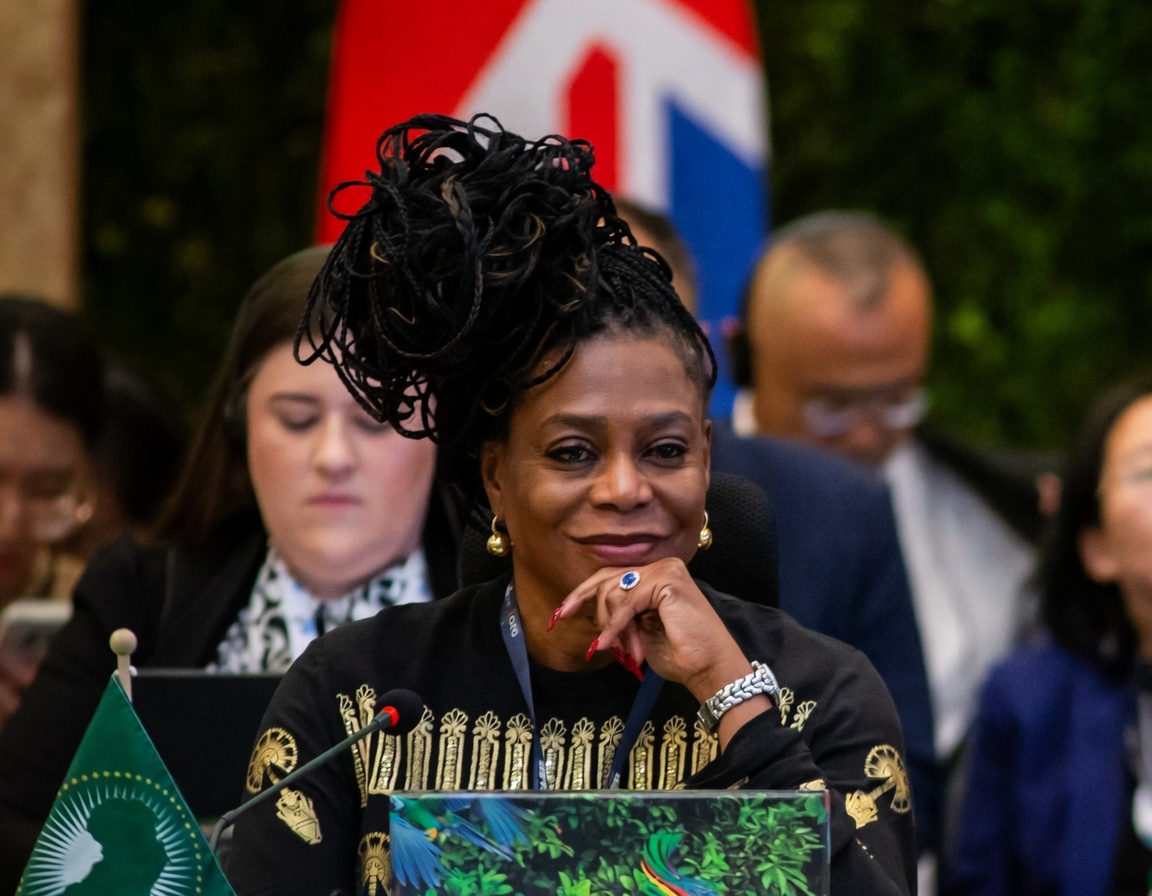
Speaking ahead of the meeting via a webinar, Nigeria’s Ministerial Global Envoy on AMR, Dr Ayoade Alakija, described the event as a turning point for Africa and the Global South. She said the gathering would focus on practical, scalable solutions at country and community levels.
The Abuja meeting follows the 2024 United Nations General Assembly high-level meeting on AMR and builds on commitments made in Jeddah. Central to these efforts is the “Troika mechanism”, aimed at ensuring continuity, accountability, and sustained political engagement.
The organisers disclosed that a key focus is the “One Health” approach, which recognises the links between human, animal, and environmental health, reflecting growing awareness that AMR is driven not only by misuse of drugs in healthcare but also in livestock, food production, and environmental practices.
Global health leaders stress that coordinated action is essential. The meeting aims to accelerate implementation of national action plans through stronger governance, increased investment, and improved accountability.
Other News
On his part, Director of the Quadripartite Joint Secretariat on AMR, Dr Jean Pierre Nyemazi, underscored the urgency of coordinated global action. He noted that the upcoming meeting aims to accelerate implementation of national action plans through stronger governance, increased investment, and improved accountability.
He also highlighted the critical role of the media in shaping public understanding and maintaining pressure on governments to deliver results.
One major global target is a 10 per cent reduction in AMR-related deaths by 2030, from the estimated 4.9 million deaths recorded in 2019. Achieving this, experts say, will require both high-level political will and simple, cost-effective interventions such as improved hygiene, rational drug use, and expanded access to essential medicines.
According to Alakija, financial commitment remains a central challenge. She pointed out that every dollar invested in combating AMR yields an estimated eleven-fold return, making it one of the most cost-effective public health investments available. “Yet many countries, particularly in low- and middle-income regions, struggle to fully fund their national action plans.”
She called for stronger engagement from finance ministries and international partners, arguing that without sustainable funding, even the most well-designed strategies will fail. Drawing parallels with the 2001 Abuja Declaration, which urged African nations to allocate 15 per cent of national budgets to health, she expressed hope that the upcoming meeting would catalyse a similar commitment for AMR financing.
“Equity is another central theme. While AMR poses a universal threat, its impact is disproportionately felt in countries with weaker health systems and limited access to diagnostics and treatment. Vulnerable populations face higher risks of untreated infections and inappropriate medication use, further fuelling resistance,” experts stated.
Organisers say the success of the Abuja meeting will be measured by tangible progress in reducing infections, preserving existing medicines, and protecting future generations.