Follow Us on Google
Nigeria’s headline inflation rate eased to 14.63 per cent year-on-year (y/y) in September 2026, down from 15.39 per cent in August and 20.98 per cent in September 2025, according to the latest Consumer Price Index report by the National Bureau of Statistics (NBS) released on Thursday.
The 76-basis-point moderation exceeded many economic analysts and research houses’ forecast of 15.19 per cent and reinforced signs that disinflation is becoming more broad-based.
On a month-on-month (m/m) basis, consumer prices rose by just 0.06 per cent in September, compared with 0.71 per cent in August, indicating a sharp slowdown in the pace of price increases during the month under review.
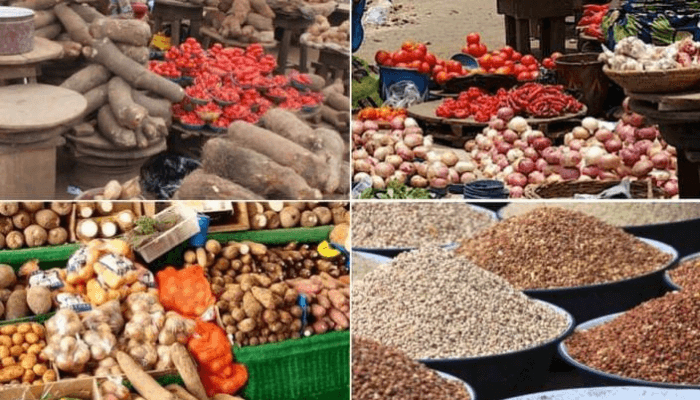
Food inflation remained the principal driver of the improvement. Although food inflation rose marginally by two basis points y/y to 19.59 per cent, from 19.57 per cent in August, it was significantly lower than the 20.16 per cent recorded in September 2025.
More importantly, the food index declined by 1.55 per cent m/m in September, reversing the 1.02 per cent increase recorded in August. The NBS attributed the decline to lower price increases in items including guinea corn flour, white maize flour, local short-grained rice, eggs, fresh onions, palm oil, fresh green beans, Irish potatoes, okra, fresh tomatoes, dried green peas and plantain. Core inflation, which excludes volatile agricultural produce and energy prices, eased by 34 basis points y/y to 12.95 per cent in September, from 13.29 per cent in August. It was also far below the 22.11 per cent recorded a year earlier.
However, the month-on-month core index accelerated to 1.11 per cent, from -0.06 per cent in August. This divergence suggests that while annual inflation is cooling, underlying price pressures have not fully abated and will remain a key risk to the disinflation path.
Other News
The stronger-than-expected September report strengthens the case for a cautious continuation of monetary easing. It follows the Central Bank of Nigeria (CBN)’s Monetary Policy Committee (MPC) decision at its September 21–22 meeting to reduce the Monetary Policy Rate by 350 basis points, from 26.50 per cent to 23.00 per cent, the largest single cut in the current easing cycle.
According to analysts, the development gives the CBN greater room to consider further accommodation, particularly if food prices continue to moderate.
“Looking ahead, Nigeria’s inflation outlook remains cautiously positive, supported by easing food prices, lower annual inflation readings and the potential benefits of improved macroeconomic stability.
The September outcome provides the CBN with greater room to consider further monetary easing, although the recent rate cut to 23 per cent will require careful monitoring for its implications for liquidity, exchange-rate stability and inflation expectations”, Cowry Research said in an emailed note.
Still, the sharp fall in month-on-month headline inflation alongside rising core inflation means policymakers will need to monitor liquidity conditions, exchange-rate stability and inflation expectations closely before committing to another aggressive rate reduction.