Follow Us on Google
From Juliana Taiwo-Obalonye, Abuja
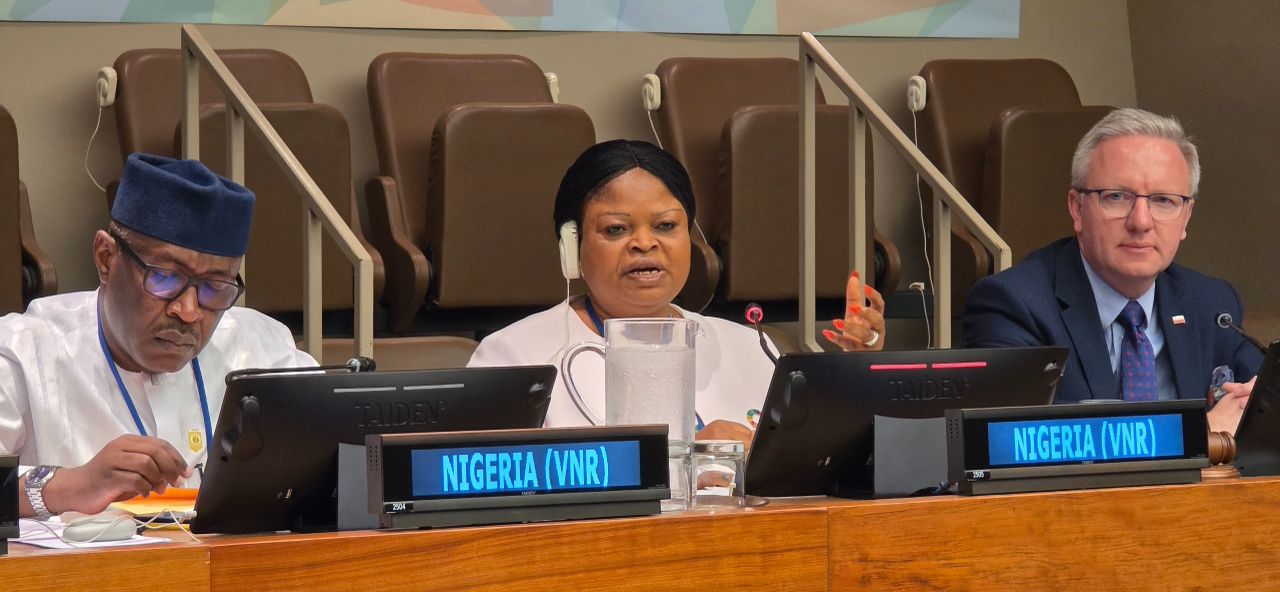
At the 2025 United Nations High-Level Political Forum (HLPF) on Sustainable Development in New York, Nigeria presented its third Voluntary National Review (VNR), reaffirming its steadfast commitment to the global 2030 Agenda for Sustainable Development despite significant challenges.
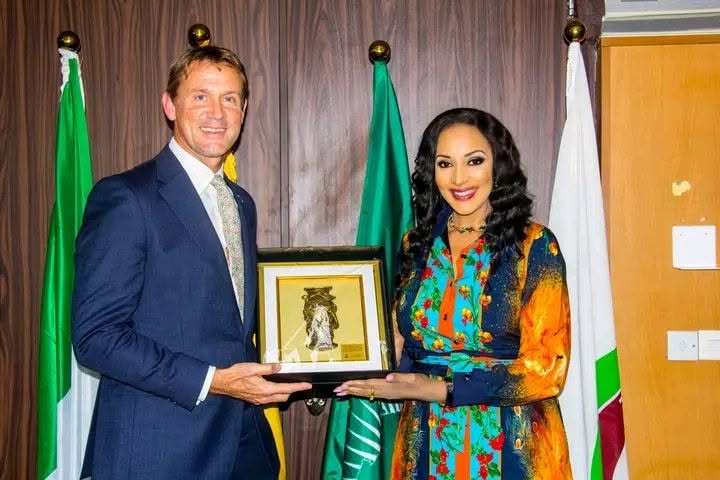
Senior Special Assistant to the President on SDGs and head of Nigeria’s delegation, Princess Adejoke Orelope-Adefulire, reiterated the country’s determination, saying, “The Government and people of Nigeria remain resolute in their pursuit of the SDGs, despite global and domestic challenges.”
The latest VNR, following reports in 2017 and 2020, underscores Nigeria’s focus on inclusive development, strengthening institutional reforms, and fostering global partnerships. The review highlighted a “whole-of-government and whole-of-society approach,” involving nationwide consultations across Nigeria’s six geopolitical zones and targeted engagements with youth, children, and persons with disabilities.
Among key advances, Nigeria has aligned its National Statistical System with SDGs, implemented the Integrated National Financing Framework (INFF), launched the Inclusive Data Charter Action Plan, and conducted country-led evaluations of priority goals. Anchored in existing national development blueprints—including the Economic Recovery and Growth Plan (2017–2020) and the National Development Plan (2021–2025)—the report centres on five priority Sustainable Development Goals (SDGs): SDG 3 (Good Health and Well-Being), SDG 5 (Gender Equality), SDG 8 (Decent Work and Economic Growth), SDG 14 (Life Below Water), and SDG 17 (Partnerships for the Goals).
Other News
However, Nigeria’s progress remains uneven. Of 52 key SDG indicators, just over a third showed improvement, with similar shares stagnating or regressing. The report flagged persistent fiscal constraints, noting government revenue at only 9.6% of GDP in 2023, alongside impacts from global disruptions such as the COVID-19 pandemic, climate change, and geopolitical conflicts.
Looking forward, Nigeria plans targeted reforms and investments, focusing on improving data quality and inclusivity and preparing the next Medium-Term National Development Plan (2026–2030) with an emphasis on transformative and climate-resilient growth.
Princess Adejoke Orelope-Adefulire stressed Nigeria’s collaborative intent: “We reaffirm our readiness to collaborate with global partners, leverage innovation, and deepen multisectoral coordination to accelerate progress as the world enters the final five-year stretch towards the 2030 deadline.”