Follow Us on Google
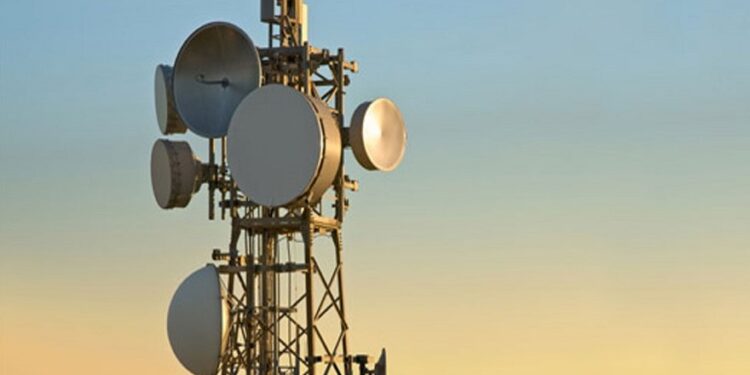
Nigeria’s broadband penetration crossed the 50% threshold for the first time in November 2025, marking a milestone in access to fast internet across the country. The latest data released by the Nigerian Communications Commission (NCC) showed that the nation now has 109.6 million broadband connections, translating to a penetration rate of 50.58%, up from 49.89% in October.
Despite this progress, the achievement highlights a shortfall in the National Broadband Plan (NBP 2020-2025), which aimed for 70% broadband penetration by December 2025. According to the NCC, broadband penetration has grown by just 6.15% this year, up from 44.43% at the end of 2024.
Total internet subscriptions, including 3G, 4G, and 5G connections, stood at 144.7 million in November, up from 142.6 million in October. MTN leads the market with 78.8 million internet subscriptions, followed by Airtel with 50.3 million, Globacom at 14.2 million, and T2 (formerly 9mobile) recording 771,035 connections. Internet subscriptions through ISPs, fixed wired, and VoIP providers total 635,626.
Why the target fell short
Industry stakeholders attribute the missed target to several challenges. Engr. Gbenga Adebayo, Chairman of the Association of Licensed Telecommunications Operators of Nigeria (ALTON), said:
“The implementation of the Broadband Plan has not progressed as it should because several challenges identified in the Plan remain unaddressed. Multiple taxation and high costs of the right-of-way continue to impede infrastructure deployment by telecom operators.”
Adebayo added that some states, despite officially waiving right-of-way fees, impose hidden costs such as education taxes and highway levies, discouraging private investment. While the Plan estimated that $3.5 to $5 billion in investment would be required over five years, foreign investment in the telecom sector has reportedly declined.
Beyond overall broadband penetration, several targets outlined in the Plan have not been met. Broadband penetration was expected to reach 50% by the end of 2023, a milestone only achieved two years later.
The Plan also recommended that Nigeria should have at least one local smartphone assembly plant by 2023 to make entry-level devices affordable, targeting a price of N18,000 per smartphone. However, the country still has no such facility, and smartphone costs have skyrocketed due to Naira devaluation, with the cheapest device now selling for over N100,000.
Furthermore, the Plan aimed for 70% of mobile subscriptions to be on 4G by 2023. NCC data shows that as of November 2025, only 51.99% of the 177 million active mobile subscriptions in the country were on 4G networks. While Nigeria has made notable strides in expanding broadband access, industry experts argue that addressing policy bottlenecks, high infrastructure costs, and affordability issues remains critical to achieving the country’s digital ambitions.