Follow Us on Google
-
Says claims suggesting systemic religious persecution in Nigeria unfounded
-
Designation of Nigeria CPC based on speculations of religious persecution fundamentally misinformed
From Aidoghie Paulinus, Abuja
The Federal Government has told the international community that the country is confronting complex security challenges and not a state of religious persecution.
This was even as the government said claims suggesting systemic religious persecution in Nigeria were unfounded.
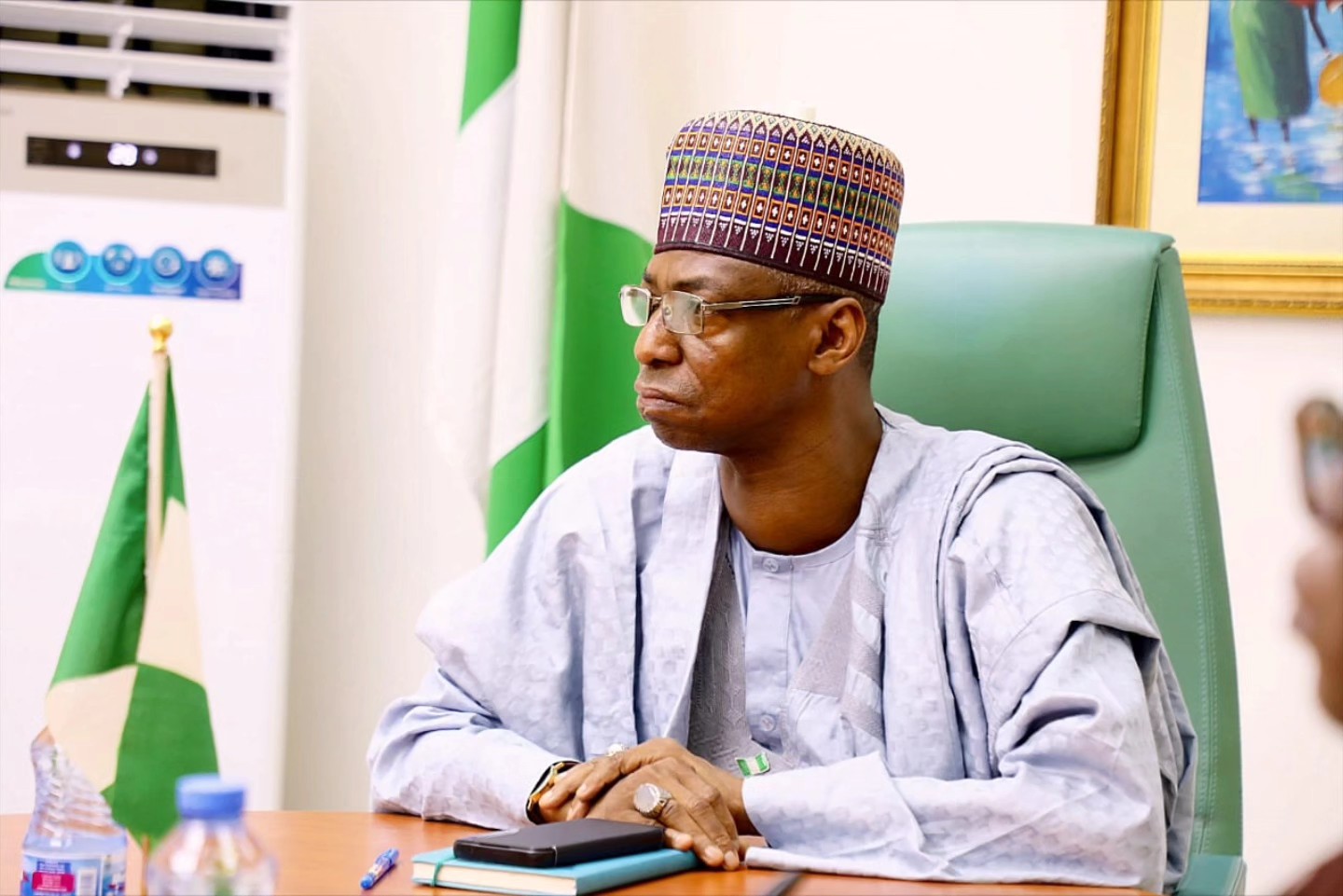
The Permanent Secretary, Ministry of Foreign Affairs, Ambassador Dunoma Umar Ahmed, stated this while briefing members of the diplomatic corps in Abuja.
Ahmed said that while Nigeria continued to deal with multifaceted security challenges, its democratic resilience, interfaith harmony and socioeconomic recovery remained evident.
He also said that under the current administration, the government was taking decisive actions to stabilise the macroeconomic environment, expand social investments and improve national security.
Ahmed further said the government remained focused on national prosperity and economic resilience, continuing to implement far-reaching and beneficial reforms that are beginning to yield the desired results.
He added that national security remained a top priority for the Tinubu administration, which has adopted a comprehensive approach combining military strength, intelligence, diplomacy and community engagement.
Ahmed explained to the diplomatic corps that sustained operations, such as Operation Hadin Kai and Operation Lake Sanity, have degraded Boko Haram and ISWAP, reclaimed vast territories and facilitated the return of millions of displaced persons.
He also said that advanced surveillance technologies were being deployed to combat banditry and kidnapping, while community-based peace-building and the National Early Warning and Response System (NEWS) enhance conflict prevention and civil-military cooperation has strengthened trust, improved intelligence gathering and reduced the recruitment of extremists.
“Nigeria is a resilient and vibrant democracy confronting complex security challenges, not a state of religious persecution. Through its Constitution, courts and security institutions, the Nigerian state remains the primary bulwark against sectarian violence and intolerance.
“A reassessment grounded in factual accuracy and an appreciation of Nigeria’s unique model of religious pluralism within a constitutional democracy is both warranted and essential for productive international cooperation. Nigeria stands as a beacon of peace, stability, and progress in Africa, committed to protecting its citizens, ensuring coexistence and strengthening global partnerships built on truth and mutual respect.
“Nigeria cherishes and continues to value the cordial relationships that happily subsist between her and your individual countries and organisations. Indeed, more than at any time before, we solicit the understanding, support and collaboration of well-meaning partners in the ongoing efforts of the Federal Government towards economic growth and development and ensuring enhanced peace and security in the country, to achieve a better life for every Nigerian, both at home and abroad. Let me reiterate that the reforms introduced by the Administration of President Bola Ahmed Tinubu, GCFR, are game changers, in fact the games have changed,” Ahmed said.
On religious diversity and democratic resilience, the Permanent Secretary said Nigeria remained a global exemplar of religious plurality and democratic endurance.
He also said the 1999 Constitution guaranteed complete freedom of thought, conscience and religion and prohibits the adoption of any state religion.
“The Nigerian state is secular in both structure and function; policies and institutions operate without religious bias, ensuring that Christians and Muslims hold leadership positions across all levels.
“Recent external claims suggesting systemic religious persecution in Nigeria are unfounded. The recent designation of Nigeria as a Country of Particular Concern (CPC) based on speculations of religious persecution is fundamentally misinformed. It misrepresents Nigeria’s secular constitutional order and its record in protecting religious freedom.
“Nigeria’s demographic balance, approximately equal Christian and Muslim populations, its interwoven communities and its functioning multi-religious democracy stand as clear evidence of our coexistence.
“Nigeria’s judiciary has consistently demonstrated its independence, protecting freedom of expression and religion. The state continues to wage a comprehensive counter-terrorism campaign against groups that target Nigerians of all faiths. It is therefore inaccurate to characterise Nigeria’s complex security challenges as manifestations of state-sanctioned religious intolerance,” Ahmed also said.
Speaking on blasphemy and persecution narrative, Ahmed said Nigeria’s national legal framework contains no offence of blasphemy.
He also said the existing public-order laws are religion-neutral and protect all communities equally from incitement to violence.
“Sharia laws, limited to some northern states, apply only to Muslims and remain under the oversight of the secular judiciary. Christian and Muslim institutions operate freely, promoting peaceful coexistence. Interfaith harmony is sustained through institutions such as the Nigeria Inter-Religious Council (NREC), the Christian Association of Nigeria (CAN) and the Supreme Council for Islamic Affairs (NSCIA,” he stated.
On the way forward, Ahmed stated that Nigeria has consistently demonstrated its openness to dialogue and cooperation, and constructive engagement, which should remain the standard in the engagement between and among sovereign states in the international system.
“While Nigeria notes with grave concern the unfounded and disparaging rhetoric over the security situation in the country, it is our firm conviction that the international community will continue on the path of mutual respect and cooperation that fosters peace, prosperity, and harmony,” Ahmed further said.