Follow Us on Google

From Fred Ezeh, Abuja
Nigeria and People’s Republic of China have advocated a stronger partnership for effective and prompt response to major public health challenges such as COVID-19 and other pandemics.
This was suggested at a high-level public health symposium on pandemic preparedness and response with insight from Nigeria and China held in Abuja.
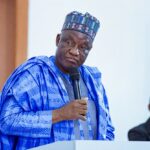
At the meeting, the Coordinating Minister of Health and Social Welfare, Prof. Muhammad Ali Pate, stressed the importance of early preparation and investments in healthcare equipments and manpower ahead of any unexpected health outbreaks.
He noted that pandemics do not start overnight, but they start as an outbreak and from there grow until they cover the entire world.
The minister highlighted the persistent threat of infectious diseases citing recent scientific findings in Nigeria that revealed massive exposure to deadly pathogens including influenza, Ebola and coronaviruses. “That brought home the risk that we constantly face. There’s the strong link between human health, the environment and animal populations. Pandemics also evolve gradually if not contained early.”
He underscored the need to strengthen community trust, local production of medical supplies and the protection of frontline health workers.
“We do not have to be net consumers of global knowledge, Nigeria can also be a contributor. The global collaboration remains vital, including learning from China’s response to COVID-19. We must not tolerate complacency, hence decisive action must be taken on lessons learned from past outbreaks. It is not a matter of if, but when. Preparedness must remain science-driven, collaborative and sustained,” he said.
Minister of Agriculture and Food Security, Senator Abubakar Kyari, represented by Minister of State, Aliyu Sabi; alongside Minister of Livestock Development, Idi Mukhtar Maiha, and Minister of Environment, Malam Balarabe Abbas Lawal, represented by Dr. Bahidjatu Abubakar, all reaffirmed the importance of early preparedness, cross-sector collaboration, and sustained investment in preventing future pandemics.
Other News
While the agriculture minister highlighted ongoing efforts to improve food systems and plant health surveillance, his counterpart in the livestock ministry underscored the growing threat of zoonotic diseases, warning that human population cannot be secured without first securing the animal populations.
The World Health Organisation (WHO) Country Representative in Nigeria, Dr. Pavel Ursu, in his remarks stressed that international cooperation remains essential in responding to global health threats.
He said: “No country, regardless of its strengths can face global health threats alone. We need each other’s support to effectively respond to any public health challenge, because pathogens often spread faster than the policies designed to contain them.”
He emphasized that early detection, transparency and data sharing remain critical tools in limiting outbreaks.
Dr. Ursu highlighted ongoing global efforts to strengthen pandemic response frameworks, including negotiations on a global pandemic agreement. “The pandemic accord is a global commitment to solidarity, trust, and collective security,” Ursu added.
Also speaking, the Ambassador of the People’s Republic of China to Nigeria, Yu Dunhai, called for deeper bilateral cooperation to address emerging global health threats, as he cited increasing risks from virus mutations and cross-border transmission.
“The threat of infectious disease remains complex and severe. China attaches great importance to cooperation with Nigeria in the public health sector and stands ready to work together.”
The Ambassador emphasized mutual benefit and shared development, and added that stronger cooperation in scientific innovation and health systems would boost preparedness capacity. “Strengthening practical cooperation carries both immediate and long-term significance,” he said.