Follow Us on Google

At 62, Nigeria is regrettably still grappling with foundational problems and a litany of unfulfilled promises. As the country marks its 62nd independence anniversary today, it is time, once again, to reflect on its journey to an ideal democratic nation and chart the best way forward.
That journey has been rough from the beginning. For instance, six years after independence, there was a bloody coup that led to the overthrow of the then civilian government. The crisis that erupted after that coup snowballed into a civil war in 1967. The war ended in 1970, but since then, there has been mutual distrust and antagonism among different ethnic groups in the country.
In 1979, there was a transition from military to civilian government, which witnessed the inauguration into office of President Shehu Shagari. He was re-elected for a second term in office in 1983 but was shortly toppled by military dictators. Nigeria was later to be ruled by military adventurists from 1983 to 1999 when the 4th Republic was born.
Since 1999, there has not been any military interruption in the governance of the country. From Chief Olusegun Obasanjo, who ruled between 1999 and 2007, to the late President Umaru Yar’Adua, who ruled from 2007 to 2010 and Dr. Goodluck Jonathan, who took over after the death of Yar’Adua and now to the incumbent President Muhammadu Buhari, Nigeria has marched on despite all odds and doomsday predictions that the country might disintegrate.
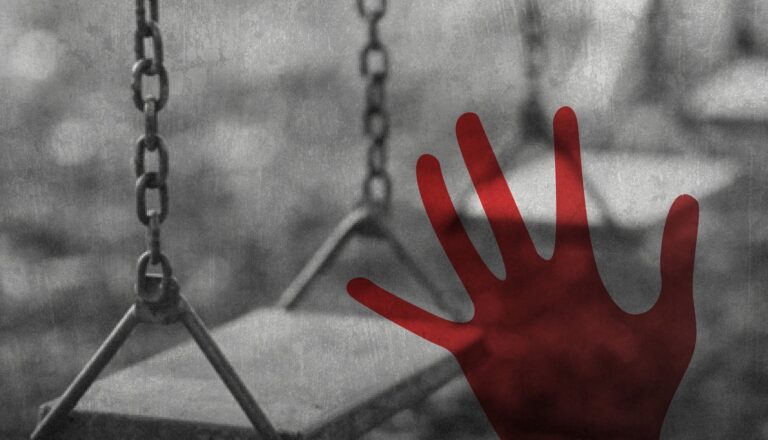
This, nevertheless, has come at a huge cost. For instance, the general insecurity is worsening with each passing day. Since the abduction of hundreds of Chibok schoolgirls in 2014 in Borno State, that act of criminality has blossomed to the extent that thousands of schoolchildren have fallen victims.
In the larger society, the situation is not different. Travellers are often waylaid and kidnapped by terrorists. Nowhere is safe. Attacks have occurred in prisons, rail tracks and even airport. We have the unenviable record as one of the most terrorised countries in the world.
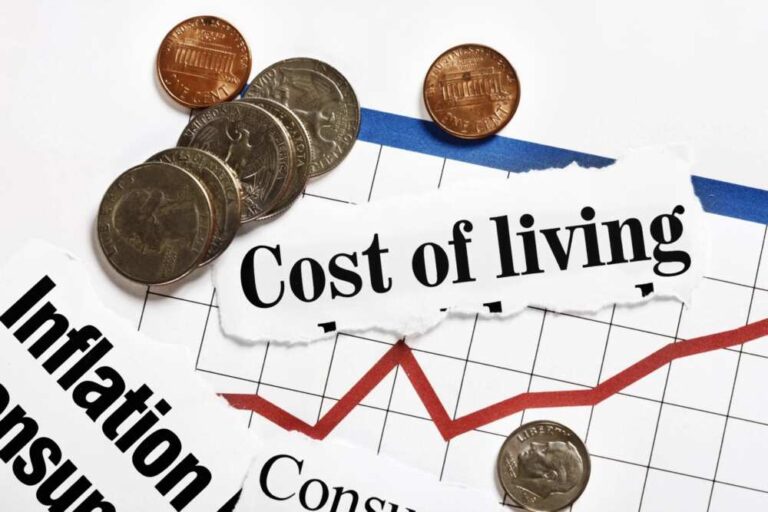
Bad economy is another sore thumb in the country’s quest for development. Today, almost all the indices of economic development are negative. Poverty is endemic as over 80 per cent of Nigerians live below the United Nations poverty threshold of $2 per day. The rate of unemployment is over 33 per cent. The rate of inflation is at a 17-year high of 20.5 per cent. The debt profile has climbed to N42.85 trillion from N21.725 trillion it was in 2017. It has been predicted to reach over N60 trillion by 2023. In 2020, the country experienced its worst recession since the 1980s and the second in five years. The paradox of it all is that Nigeria is one of the biggest oil-producing countries in the world.
Education, which is the bedrock of the development of any nation, is in a shambles. In a recent report, the United Nations Educational, Scientific and Cultural Organisation (UNESCO) estimated that the number of Nigeria’s out-of-school children has ballooned from about 12 million in 2021 to about 20 million. The worst is that public university students have had to endure different deprivations as a result of the prolonged strike embarked upon by the Academic Staff Union of Universities (ASUU). The current strike is one in a series of strikes the union has embarked upon since 2009 when it entered into an agreement with the Federal Government on ways of revitalising the university education in the country.
When coups were in vogue, the refrain of our military men whenever they took over government was that our hospitals had become “mere consulting clinics.” Today, many of these hospitals are worse than consulting clinics as few doctors are even available to be consulted. Not satisfied with the condition of work in Nigeria, thousands of them have migrated abroad for greener pastures. As of August 2022, the number of Nigeria-trained medical doctors who migrated to the United Kingdom alone stood at 10,096. Out of this number, about 6,068 moved to the UK since President Muhammadu Buhari assumed office in 2015. The ones remaining in the country often embark on strikes to press home their demands for better welfare.
We reiterate that the key to getting it right is good leadership. In every human history, one man can change a very bad situation. President Paul Kagame of Rwanda is a shining example of how good leadership can turn a country around. That country was devastated by war. But it has moved on and it is one of Africa’s success stories. It was good leadership of the former Prime Minister of Singapore, Lee Kuan Yew, which transformed his country to a huge success it is today.
We believe that Nigeria’s problems can be fixed and that hope can be restored if the political elite work for the nation’s redemption; if they work for its restructuring. Government must face its responsibilities squarely. The citizens must show more patriotism and try as much as possible to fulfil their obligations. The year 2023 offers us a glimmer of hope. Nigerians should vote wisely in the forthcoming general election. That is one major way we can restore the dignity and glory of our