Follow Us on Google
From Godwin Tsa, Abuja
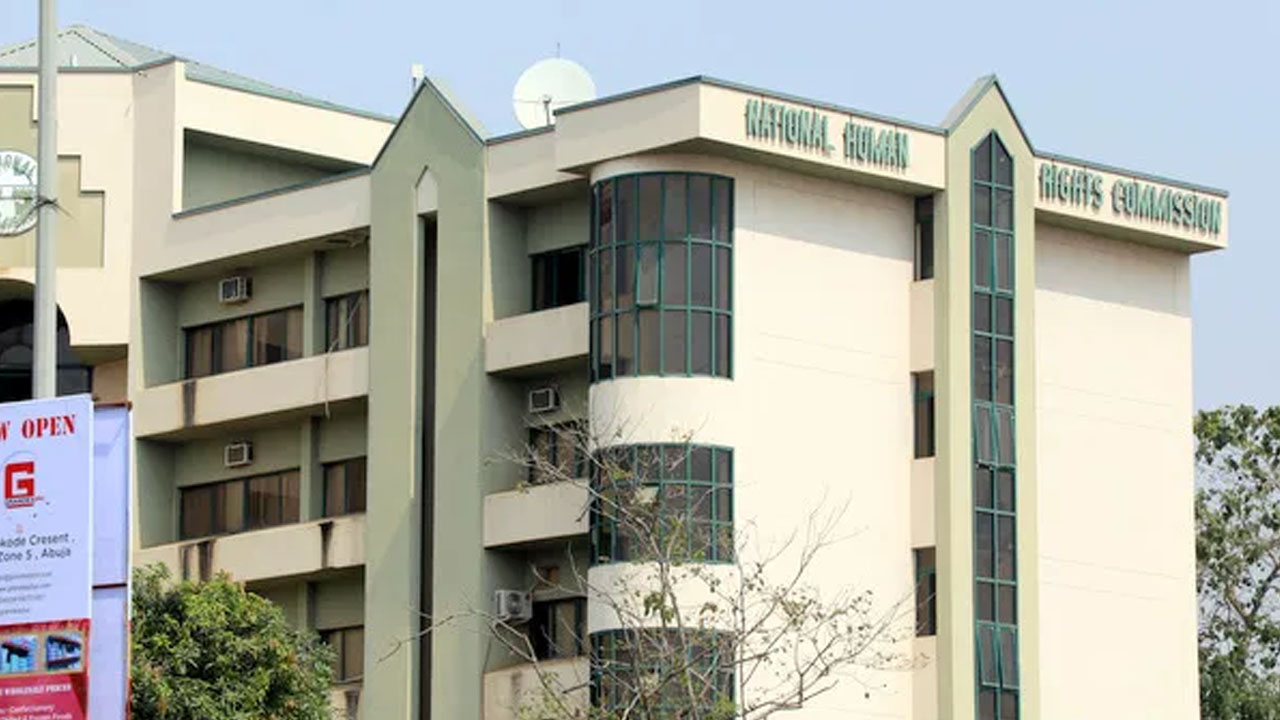
The National Human Rights Commission (NHRC) has called on the Federal Government to swiftly ratify the Draft Policy on Protection of Civilians and Civilian Harm Mitigation.
A statement by the Director of Public Affairs of the Commission, Fatimah Agwai Mohammed, said the Executive Secretary of the Commission Dr. Tony Ojukwu gave the charge during ongoing Mid-term review meeting of the project on “Protection of Forcibly Displaced Persons through Human Rights Information Data Collection and Documentation in Nigeria” in Keffi, Nasarawa State.
The policy aims to safeguard civilians from harm during security operations and provide a framework for preventing, minimizing, and addressing civilian harm is supported by the United Nations High Commissioner for Refugees (UNHCR).
The project seeks to monitor the human rights and protection situation of forcibly displaced persons (FDPs) in Nigeria, including internally displaced persons (IDPs), refugees, asylum seekers, and returnees.
The executive secretary of the Human Rights Commission observed that the project has recorded notable achievements, including managing 3,096 human rights cases and training 80 security personnel to protect the rights and dignity of FDPs.
Ojukwu, represented by Dr. Benedict Agu, the project Coordinator and Head of Monitoring Department of the Commission, highlighted the project’s notable achievements and the need for continued support.
The project is being implemented in 11 project states, with selected Community Protection Action Group Members and Human Rights Monitors working in 33 Local Government Areas (LGAs).
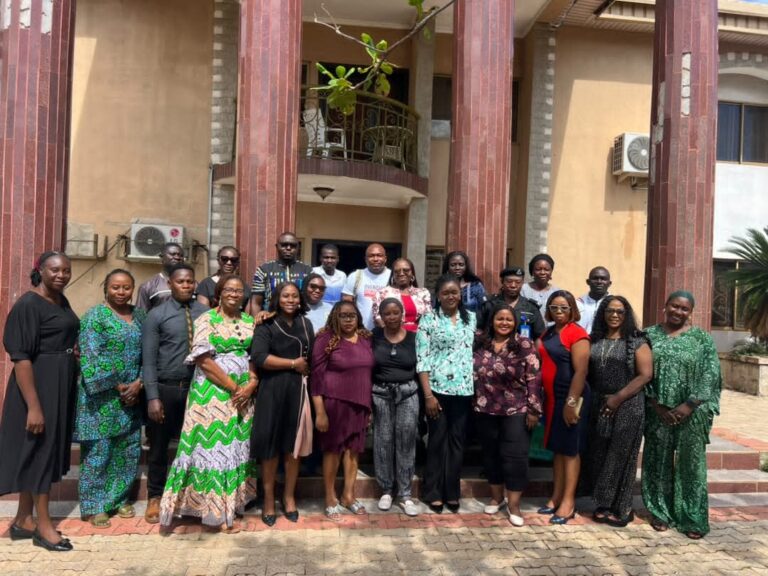
Stakeholders recently gathered for a mid-term review meeting in Keffi, Nasarawa State, to discuss challenges they encounter in the field and explore ways to mitigate them.
According to the Executive Secretary, ratifying the Draft Policy on Protection of Civilians and Civilian Harm Mitigation will significantly enhance the protection of civilians in conflict situations.
He added that the policy’s adoption will strengthen the fight against human rights violations, align with regional and international human rights and humanitarian instruments, and provide a framework for preventing, minimizing, and addressing civilian harm.
Participants expressed delight for the opportunity to discuss their challenges and recommend solutions as far as protection of these vulnerable people is concerned.