Follow Us on Google

From Godwin Tsa, Abuja
The National Human Rights Commission (NHRC) has raised the alarm over what it described as alarming levels of drug abuse among young Nigerians.
It warned that the country’s response to the crisis must be grounded in human rights principles, rather than punitive measures alone.
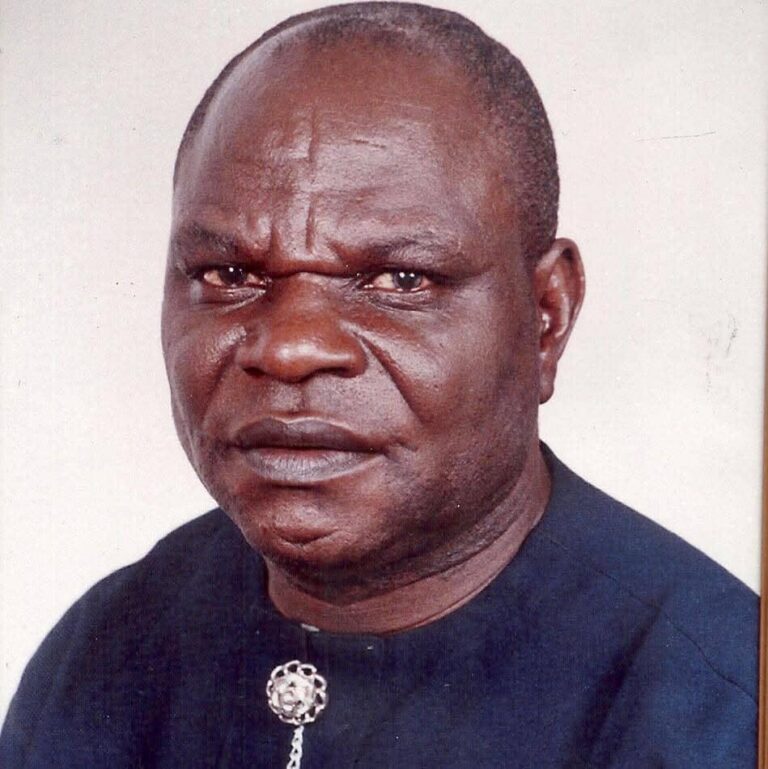
In a statement marking the 2026 International Day Against Drug Abuse and Illicit Trafficking, NHRC Executive Secretary, Tony Ojukwu, said rising substance abuse and trafficking now pose a serious threat to public health, security, and national development, requiring urgent and coordinated action from government and civil society alike.
He insisted that any enforcement strategy must comply with the 1999 Constitution’s guarantees of life, dignity, liberty, and fair hearing, as well as Nigeria’s commitments under the Mental Health Act 2021, the National Health Act 2022, and international instruments, including the International Covenant on Civil and Political Rights and the African Charter on Human and Peoples’ Rights.
Ojukwu said Nigerians struggling with drug dependence should not face stigma, discrimination, or degrading treatment, but should instead have access to healthcare, rehabilitation, psychosocial support, and reintegration programmes.
He linked the drug crisis to a broader pattern of rights violations, arguing that substance abuse fuels domestic violence, crime, human trafficking, and insecurity, all of which erode fundamental freedoms.
Other News
Ojukwu said the commission has positioned itself at the forefront of advocacy for a public health approach to drug use, pointing to its regular national legislative forums aimed at promoting harm-reduction policy debates.
Ojukwu called on the National Assembly to build human rights safeguards into the proposed national policy on drug use quantification thresholds.
He urged legislators to ensure the policy clearly distinguishes between people using drugs for medicinal or therapeutic purposes and those involved in trafficking, cautioning that treatment seekers should not be criminalised.
He also called on law enforcement agencies to intensify the fight against illicit trafficking, while strictly observing national and international human rights standards in their operations.
The commission urged government agencies, civil society groups, schools, faith-based organisations, and community leaders to step up awareness campaigns targeting children and youth.
Ojukwu reaffirmed its commitment to addressing the root causes of drug abuse, such as poverty, unemployment, social exclusion, and limited access to education and mental healthcare.