Follow Us on Google
Human rights organisations in Nigeria have increasingly intensified advocacy against torture and abuse within detention systems as concerns continue to grow over the harrowing treatment of detainees and protesters.
Among the civil society groups contributing to this effort is Legend Golden Care Foundation (LGCF), an Abuja-based nonprofit organisation focused on pro-bono legal services, justice system reforms and rehabilitation support for victims of torture and abuse.
Founded in 2013 by Kanayo Olisa-Metuh, the organisation initially focused on humanitarian support for underserved communities, providing scholarships to orphaned children and offering food and medical aid to vulnerable families.

However, after years of engagement with correctional facilities and legal advocacy efforts, the organisation expanded its focus to include criminal justice reform and protection for victims of human rights abuses.
Today, LGCF is increasingly recognised for its work supporting survivors of torture and advocating for stronger enforcement of anti-torture laws in Nigeria. The organisation operates across several states, including the Federal Capital Territory, Nasarawa, Anambra, Adamawa, Rivers, Bauchi and Borno.

One of the organisation’s key international collaborations is with the International Rehabilitation Council for Torture Victims (IRCT), a global network that works to rehabilitate survivors of torture and advocate for stronger legal protections worldwide.
Through this partnership, LGCF is implementing a number of projects aimed at strengthening support systems for torture survivors.

In 2024, the organisation launched the Support to Sustain and Strengthen Holistic Rehabilitation for Torture Survivors project, funded by the European Union. The initiative seeks to expand access to rehabilitation services for individuals who have experienced torture and abuse.
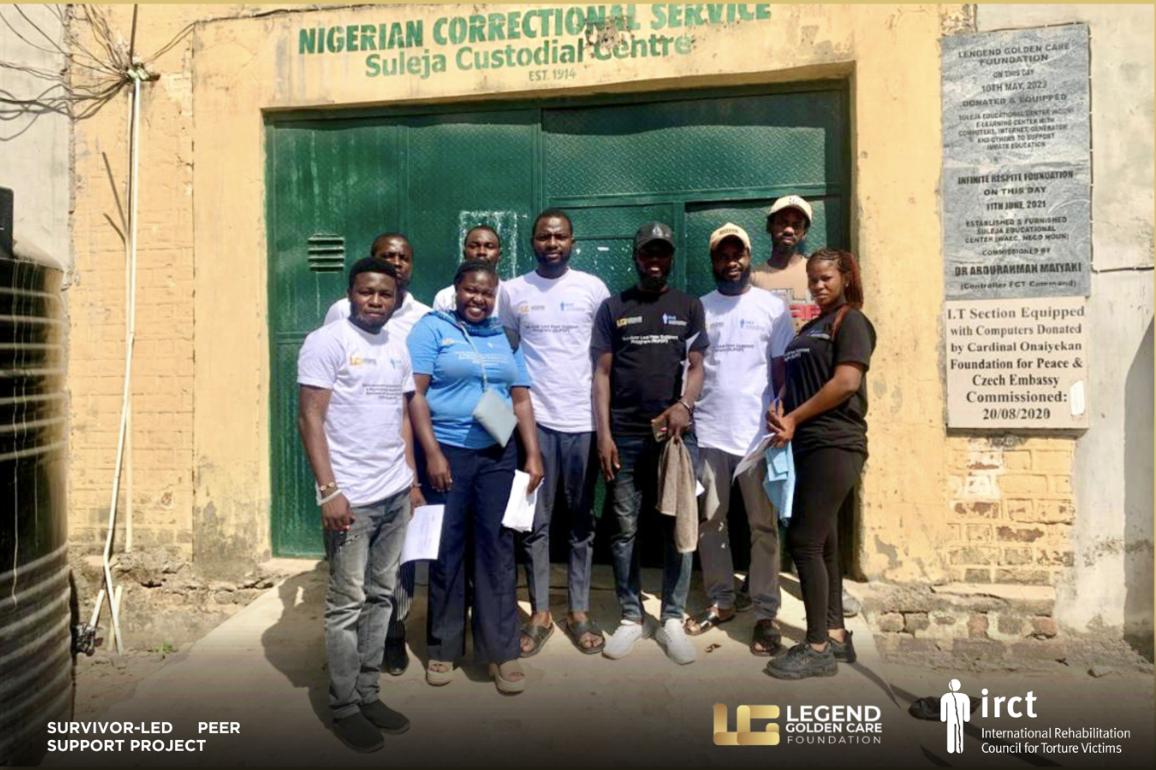
Additional programs implemented in 2025 include the Socio-Economic Empowerment and Psychosocial Support for Torture Survivors Project, the Promoting Rights to Peaceful Assembly in Nigeria and the Survivor-Led Peer Support initiative, both of which aim to help survivors rebuild their lives and support one another through community-based networks.
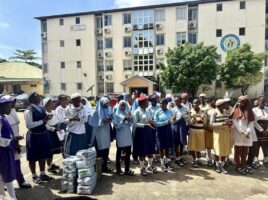
LGCF has also engaged in public awareness campaigns aimed at educating communities about human rights protections and mechanisms for reporting abuse.
Through these campaigns, the organisation has conducted awareness interventions to thousand Nigerians on addressing gender-based violence and rights violations.
According to the organisation, its community programs have reached more than 4,700 individuals through SGBV prevention awareness activities, alongside over 2,500 sexual and reproductive health rights interventions.
Beyond advocacy, LGCF provides direct support services for survivors and vulnerable individuals, including psychosocial counselling and legal assistance.
The foundation reports delivering over 2,481 psychosocial support services and handling 1037 pro bono legal cases aimed at expanding access to justice for individuals who might otherwise lack legal representation.
Observers say civil society groups such as LGCF play a critical role in strengthening Nigeria’s human rights ecosystem, particularly in areas where access to legal protection remains limited.
As discussions around justice reform continue across Nigeria, organisations like LGCF are expected to remain key voices advocating stronger safeguards against torture and abuse.