Follow Us on Google

• Anambra takes free HIV testing to campuses, motor parks
From Obinna Odogwu, Awka
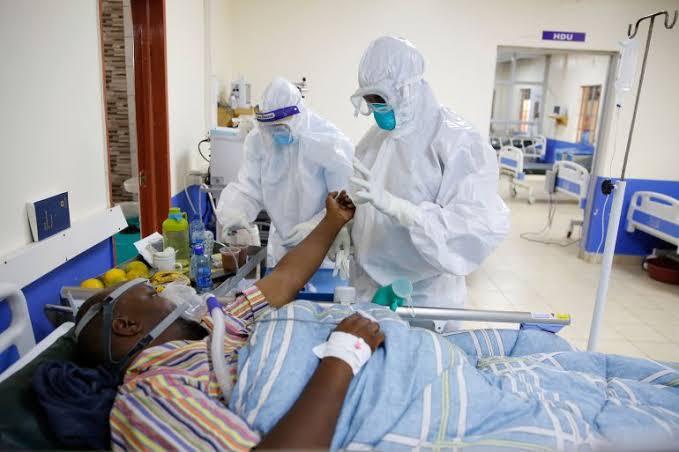
Amid growing concerns over the international spread of a new COVID-19 variant, PJ.2.1, the Academy of Medical Sciences has urged the Federal Government to intensify disease surveillance, testing and health facility preparedness, warning that increased travel, homecomings, religious gatherings and social activities during the festive season require renewed vigilance to protect vulnerable Nigerians.
The academy’s intervention came as the Anambra State AIDS Control Agency (ANSACA) commenced free Human Immunodeficiency Virus (HIV) testing and health screening across communities, motor parks and tertiary institutions in the state as part of efforts to prevent new infections, promote access to treatment and eliminate stigmatisation and discrimination against persons living with the virus.
The academy, however, advised Nigerians against panic over the emergence of the new COVID-19 variant, noting that although there had been no public report of its detection in Nigeria, limited genomic surveillance capacity made it difficult to conclusively establish its absence.
In a public advisory dated November 23, 2026, jointly signed by Chairman of its Rapid Response Committee, Boaz Adegboro, and President of the academy, Joseph Ahaneku, the organisation stressed the need for renewed preventive measures, particularly to protect elderly people and those with underlying medical conditions.
“Because genomic sequencing in Africa is limited, absence of reports should not be taken as absence of the variant,” it stated.
The academy’s message to Nigerians was: “Do not panic, but be vigilant.”
The World Health Organisation (WHO), in its November 19 assessment, classified PJ.2.1 as a variant under monitoring, rating its additional global public health risk as low, although with low confidence owing to limited available evidence.
The global health body said comparative clinical data remained insufficient to determine whether the variant caused more severe disease, disclosing that 722 sequences had been submitted from 18 countries as of November 8.
Although laboratory findings suggested stronger binding to human cell receptors, WHO cautioned that such findings did not necessarily establish increased transmissibility among humans.
It also noted that antibodies from recipients of updated COVID-19 vaccines neutralised the variant in laboratory tests, although variant-specific vaccine effectiveness estimates were not yet available.
Precautions ahead of festive season
Addressing preparations for the festive season, the academy urged travellers returning from countries reporting PJ.2.1 infections to monitor their health for 10 days after arrival and seek testing promptly if symptoms developed.
It advised individuals who were unwell to postpone travel and avoid visiting elderly relatives, while urging organisers of weddings, funerals, end-of-year parties, Christmas carols and religious crusades to choose outdoor or well-ventilated venues, provide handwashing facilities and encourage people exhibiting symptoms to stay away.
“The Academy does not consider travel bans justified, based on current evidence,” the statement said.
It urged Nigerians experiencing fever, cough, sore throat or other flu-like symptoms to stay away from workplaces, schools, worship centres and social gatherings until they recovered, and seek testing, particularly if they belonged to high-risk groups or cared for vulnerable people.
“Symptoms alone cannot distinguish PJ.2.1 from other respiratory infections; testing is required,” it stated.
The academy recommended the use of well-fitting face masks in crowded indoor places, public transport, hospitals and clinics, as well as when visiting elderly or sick relatives.
It also advised regular handwashing, covering coughs and sneezes, improving ventilation, avoiding self-medication and refraining from circulating unverified information on social media, urging Nigerians to rely on information from the Nigeria Centre for Disease Control and Prevention (NCDC), federal and state health authorities and WHO.
Those at greater risk
According to the advisory, people requiring additional protection include those aged 60 and above, pregnant women, people with obesity and those living with diabetes, hypertension, heart, lung or kidney disease, sickle cell disease, cancer, HIV and other conditions that weaken immunity.
The academy urged individuals in these categories to properly manage their existing medical conditions, maintain adequate supplies of prescribed medicines and seek testing and medical advice within the first one or two days of developing symptoms.
It also recommended that they receive COVID-19 vaccine doses available and recommended for them by health authorities.
The academy identified difficulty in breathing, chest pain, confusion, persistent high fever and inability to eat or drink as warning signs requiring urgent medical attention.
Tasks government, health facilities on preparedness
For healthcare professionals, the academy called for heightened suspicion of COVID-19 in patients presenting with acute respiratory illness, while also investigating other possible causes, including malaria, influenza and bacterial pneumonia.
It urged health facilities to test suspected cases, forward a proportion of positive samples to designated laboratories for genomic sequencing and report confirmed infections through the national disease surveillance system.
Hospitals and clinics were also advised to separate patients exhibiting respiratory symptoms, strengthen infection prevention measures and assess the adequacy of their oxygen supplies, pulse oximeters and isolation facilities.
The academy called on government and health authorities to intensify genomic surveillance, strengthen symptom screening and testing at points of entry during the festive season, ensure adequate supplies of test kits, oxygen and recommended medicines, and secure vaccines for priority groups and healthcare workers.
It equally stressed the importance of clear and timely public communication to counter misinformation, adding that its Rapid Response Group would continue to monitor developments and update its advisory as new scientific evidence emerged.
Anambra takes HIV testing to campuses, motor parks
Meanwhile, in a separate public health intervention aimed at strengthening disease prevention, early detection and access to treatment, the Anambra State AIDS Control Agency has taken its HIV awareness campaign, free testing and health screening services to tertiary institutions, motor parks and communities across the state.
The intervention, which forms part of activities commemorating the 2026 World AIDS Day, is expected to run from November 23 to December 12, targeting students, lecturers, transport workers, traders and other members of the public.
Already, the agency has conducted outreach programmes at the Nwafor Orizu College of Education, Nsugbe, and Solution Park, Aroma, Awka, where beneficiaries underwent testing and received counselling on how to protect and manage their health.
Executive Director and Project Manager of ANSACA, Nkem Okeke, told Daily Sun that the programme was aimed at increasing public awareness of HIV, educating residents on preventive measures and encouraging people to ascertain their status.
He explained that the intervention was also designed to assist persons living with HIV in accessing information and support necessary to effectively manage their health and improve their quality of life.
Okeke disclosed that the agency would extend the outreach to the Awka and Nnewi campuses of Nnamdi Azikiwe University; Millennium College of Nursing, Awka; Paul University, Awka; Chukwuemeka Odumegwu Ojukwu University, Igbariam and Uli campuses; and Federal Polytechnic, Oko.
Other beneficiary institutions include Peter University, Achina; Federal College of Education (Technical), Umunze; College of Nursing, Amichi; College of Nursing, Adazi; Nursing College, Nkpor; and University on the Niger, Ogidi.
The executive director said the free testing and screening exercise formed part of the agency’s broader efforts towards ending HIV/AIDS as a public health threat in Anambra State by 2030.
“Beyond commemorating World AIDS Day, our goal is to take HIV awareness and testing closer to Ndi Anambra, strengthen partnerships, promote access to treatment and end stigma and discrimination.”
Okeke commended Governor Chukwuma Soludo for supporting the agency’s interventions, assuring that ANSACA would sustain its efforts to improve access to HIV prevention, testing, counselling and treatment services across the state.
“Together, we can achieve zero new HIV infections, zero AIDS-related deaths and zero discrimination,” he said.