Follow Us on Google
From Adesuwa Tsan, Abuja
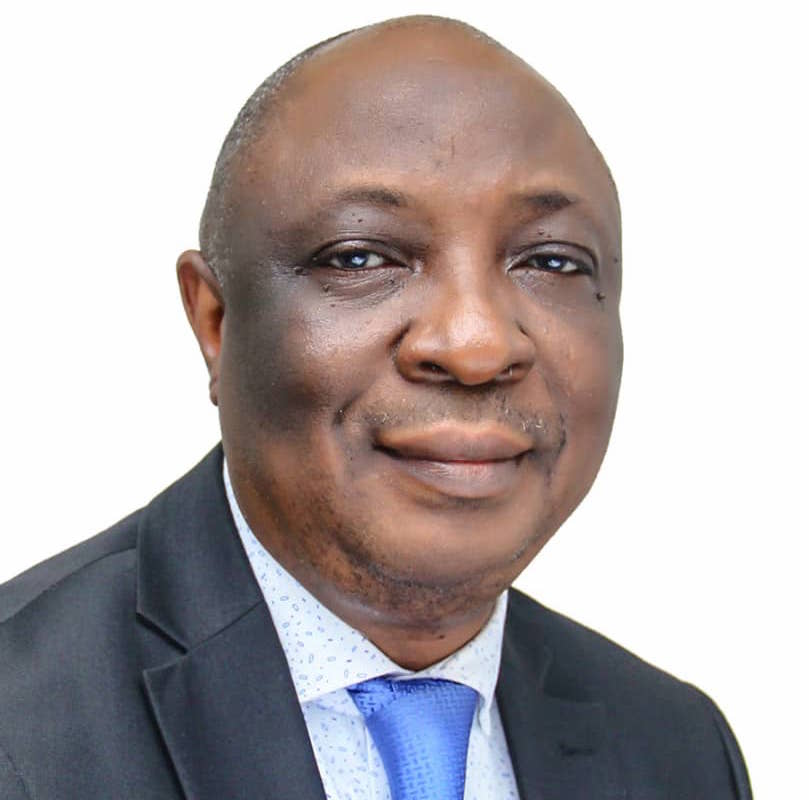
To alleviate economic hardships faced by poor Nigerians, the President of the Nigerian Economic Society (NES), Professor Adeola Adenikinju, has urged the Federal Government to prioritise direct cash transfers to the poor and significantly increase capital spending in the proposed 2025 budget.
Professor Adenikinju, an economist from the University of Ibadan, made this position known during an interactive session organised by the Senate Committee on Appropriation on Thursday.
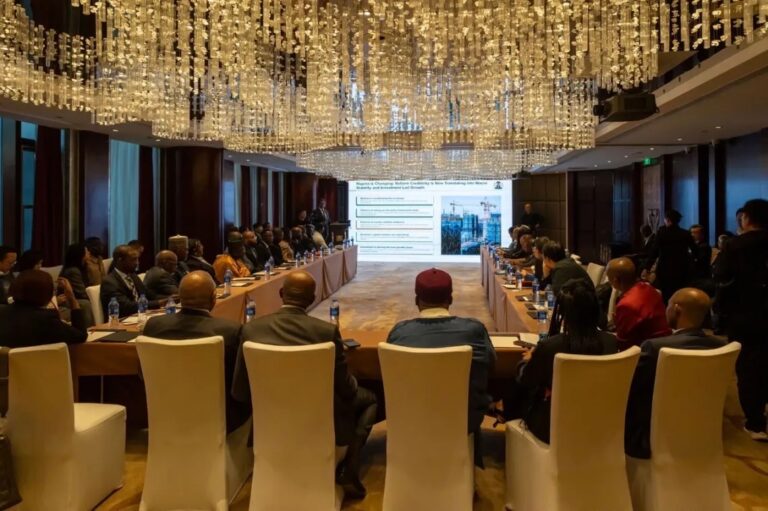
The session is an open-day event organised by the committee to receive input on the N49.7 trillion budget proposal from stakeholders. It brought together federal lawmakers, economic experts, and civil society representatives to scrutinise the fiscal plan.
The stakeholders’ engagement on the 2025 budget marks the first of its kind in the National Assembly, fostering a collaborative approach to fiscal planning.
Adenikinju explained that cash transfers to the poor would have an immediate impact on alleviating economic hardships, while heavy spending on capital projects is critical for job creation and sustainable economic growth.
He remarked, “While Nigeria faces significant revenue challenges, the 2025 budget presents an opportunity to unlock the country’s economic potential.
Other News
“Targeted cash transfers to the poor and increased investment in infrastructure can significantly reduce poverty and create employment opportunities.”
Reacting, the Chairman of the Senate Appropriations Committee, Senator Adeola Olamilekan, described the proposed budget as ambitious but achievable, while commending President Tinubu for his commitment to addressing Nigeria’s revenue challenges.
“The projections are bold but not beyond reach. President Tinubu is on the right track to stabilise our economy and drive revenue growth,” Olamilekan stated.
Senate President Godswill Akpabio echoed similar sentiments, expressing the 10th Senate’s commitment to ensuring the success of the Tinubu administration.
However, the Minister of Budget and Economic Planning, Atiku Bagudu, shared a different view, arguing that the best approach to combating poverty is through policies that promote business growth and economic activities.
Bagudu said, “Supporting business activities is the most sustainable way to reduce poverty. Empowering businesses creates jobs, which in turn alleviates poverty on a larger scale.”
The interactive session also highlighted the importance of collaboration among lawmakers, economic experts, and other stakeholders in shaping Nigeria’s fiscal direction.