Follow Us on Google
From Juliana Taiwo‑Obalonye, Abuja
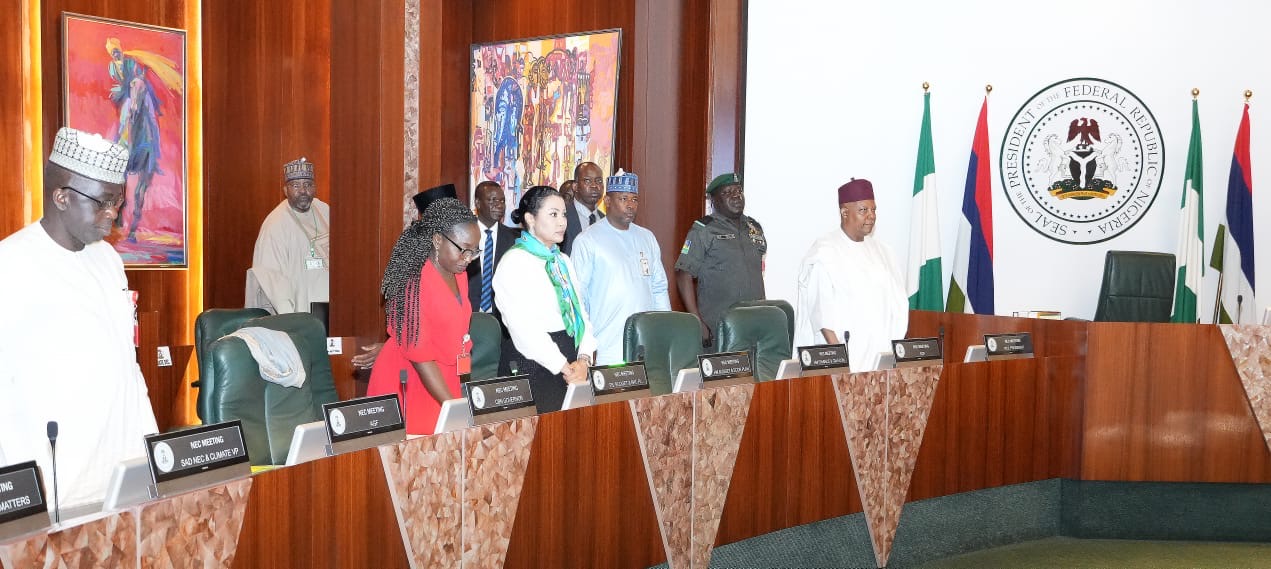
National Economic Council (NEC) presided over by Vice President Kashim Shettima has approved N83.2 billion for anticipatory interventions intended to reduce the impact of expected flooding and other climate-related emergencies across Nigeria.
I according to a statement issued by Senior Special Assistant to the President on Media and Communications in the Office of the Vice President, Stanley Nkwocha, the funding, authorised at NEC’s 158th meeting on Thursday, will be disbursed through the Anticipatory Action Task Force (AATF) after a presentation by the Minister of State for Budget and Economic Planning, Senator Atiku Bagudu, who urged proactive measures ahead of the rainy season.
Shettima said the approval signals a shift from reactive emergency response to preventive action. He told members the Tinubu administration’s reform agenda must translate into tangible improvements for ordinary Nigerians, especially farmers, manufacturers, vulnerable citizens, unemployed youth and children.
“When this Council last met, I called our economy a workshop. A place of measurement and correction,” the Vice‑President said, urging that plans be converted into systems and institutions that deliver measurable results. He added that the federal government’s focus is moving “from stabilisation to production, from aspiration to implementation, from isolated interventions to coordinated national growth.”
Shettima also used the meeting to press states to cooperate with the federal government in removing logistical and compliance barriers that prevent farm produce from reaching international markets. He warned that continued dependence on exporting raw materials while importing finished goods undermines Nigeria’s economic transformation.
“We cannot continue to export raw materials and import finished prosperity,” he said, stressing the need for an integrated value chain linking farms to factories, factories to standards, standards to ports, and ports to markets.
To this end, the Vice‑President pledged that NEC would tackle bottlenecks hampering agricultural exports, including inefficiencies at ports and failure to meet international standards. “A nation that cannot move its goods has imprisoned its own farmers,” he said, adding that meeting export compliance requirements is essential for rewarding farmers and expanding Nigeria’s role in global trade.
NEC members also noted the importance of the AATF’s role in disaster preparedness and urged that the council move away from predominantly reactionary emergency measures toward anticipatory planning to reduce the human and economic costs of climate shocks.