Follow Us on Google
By Lukman Olabiyi
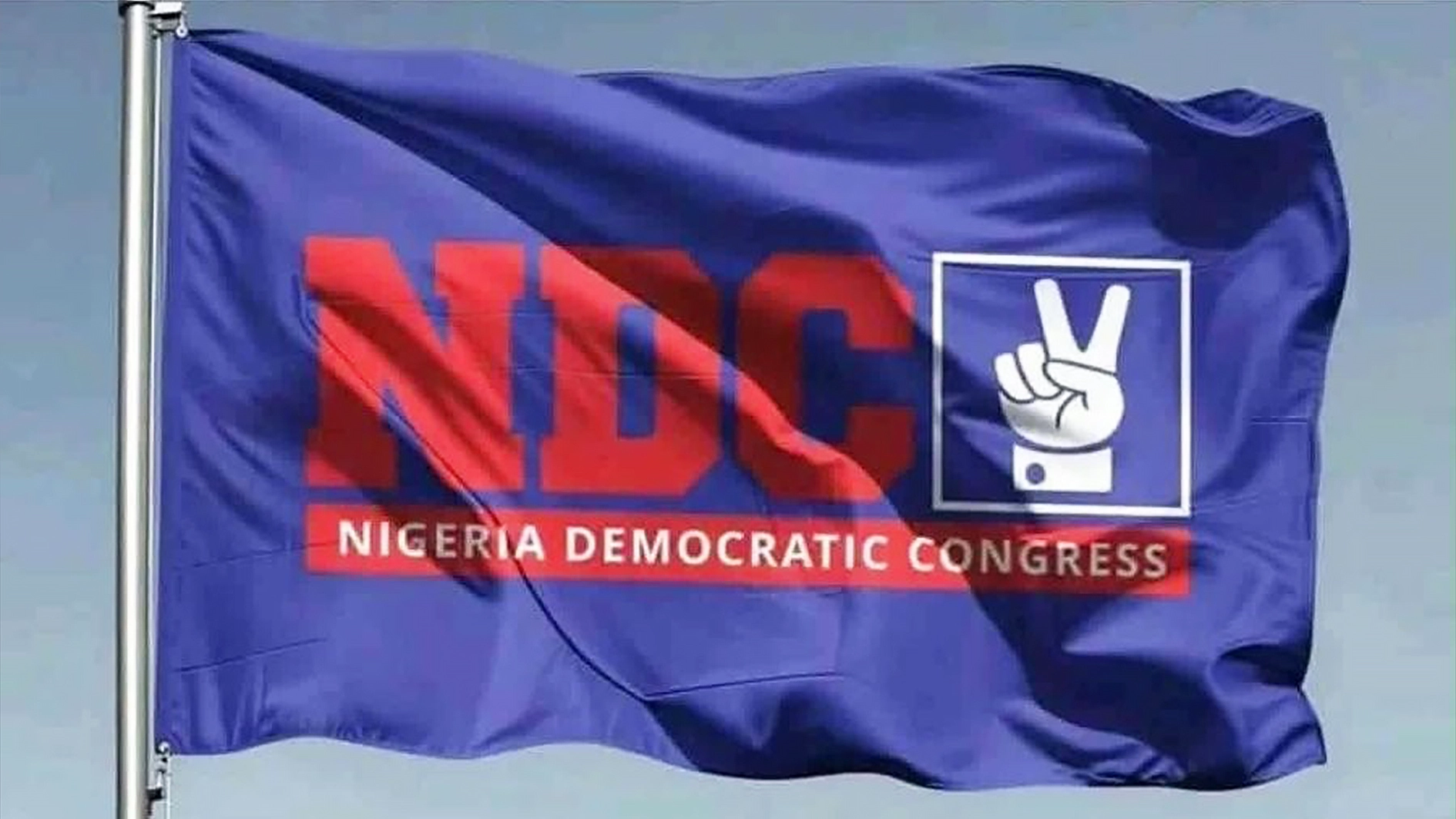
Legal experts have expressed differing views following the decision of the Federal High Court in Lokoja, Kogi State, to set aside its earlier judgment directing the Independent National Electoral Commission (INEC) to register the Nigeria Democratic Congress (NDC) as a political party.
Justice Isah Dashen, who delivered the ruling on Friday, held that the earlier judgment was constitutionally defective because it was delivered without hearing all necessary parties, particularly the Peace Movement Party (PMP), which successfully applied to be joined in the suit.
The court restored the status quo that existed before the December 2025 judgment and ordered that the substantive case begin afresh, with INEC, the PMP and the NDC participating as parties.
Reacting to the development, a former Chairman of the Nigerian Bar Association (NBA), Ikeja Branch, dave Ajetomobi described the ruling as a troubling development for the administration of justice.
According to him, a court ordinarily lacks the jurisdiction to review or set aside its own final judgment, having become functus officio once judgment has been delivered.
“These are sad days for the administration of justice in Nigeria. Ordinarily, a court doesn’t have the power to review its own judgment or that of a court of coordinate jurisdiction. Having delivered the previous ruling, that court ceases to have jurisdiction over the subject of the ruling. In legal parlance, we say the court is functus officio. The judge in this case cannot sit on appeal over the judgment he purportedly set aside; only an appellate court can do that,” he said.
Other News
However, legal practitioner and public affairs analyst, Sonayon Hunjo, offered a different interpretation, arguing that the doctrine of functus officio is subject to recognised legal exceptions.
According to Hunjo, a High Court may set aside its own judgment where the decision is a nullity because it was obtained through fraud, involved a fundamental breach of fair hearing, or where a necessary party was not joined.
“Ordinarily, under the doctrine of functus officio, a High Court cannot sit on appeal over its own final judgment. However, there are well-established exceptions. One of those exceptions is where the judgment is a nullity, for example, because it was obtained by fraud, there was a fundamental denial of fair hearing, or a necessary party was not joined,” he explained.
He added that if Justice Dashen found that the December 2025 judgment was delivered in breach of the constitutional right to fair hearing by excluding a necessary party, then the court acted within one of the recognised exceptions to the doctrine.
Hunjo further noted that the NDC retains the constitutional right to challenge Friday’s decision at the Court of Appeal.
He explained that should the party file an appeal, proceedings on the substantive suit at the High Court would likely be suspended until the appellate courts determine the legality of the latest ruling.
“Whatever option the NDC chooses, one thing is certain—time has become a luxury it may not be able to afford,” he said.