Follow Us on Google
The Nigerian-British Chamber of Commerce (NBCC) and key stakeholders in the energy sector have called for reforms to make Nigeria’s electricity market more efficient, commercially sustainable and attractive to investors.
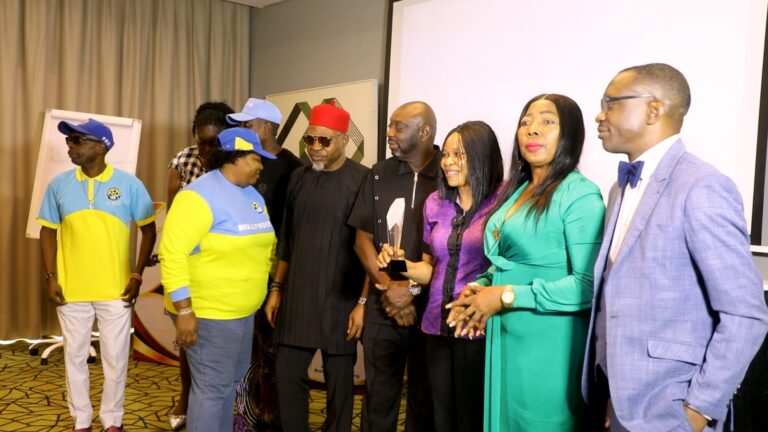
They spoke at the maiden NBCC Power Summit 2026, themed, “Powering Nigeria’s Economic Transformation: Unlocking Investment, Innovation and Sustainable Energy Solutions.”
Speaking at the summit, President and Chairman of Council, NBCC, Prince Abimbola Olashore, said reliable, affordable and sustainable electricity was fundamental to Nigeria’s economic transformation.
He said unreliable and expensive power undermined productivity, competitiveness, employment and national development, urging government to create policies and regulatory frameworks capable of attracting domestic and international capital, technology and expertise.
Olashore also called for greater adoption of renewable energy, distributed generation, energy storage, smart grids, embedded power solutions and energy-efficiency technologies.
Also speaking, Managing Director and Chief Executive Officer, Nigerian Bulk Electricity Trading Plc (NBET), Mr Akinola Odeyemi, said electricity was a competitiveness issue for businesses, as its cost and reliability influenced production, investment and expansion decisions.
He identified market liquidity and payment discipline, network constraints, metering and settlement integrity, contractual and regulatory certainty, and the balance between affordability and commercial sustainability as major challenges confronting the sector.
Odeyemi said the Federal Government’s Presidential Power Sector Debt Reduction Programme and the ₦4 trillion Power Sector Monetisation Instrument Bond Programme were aimed at restoring liquidity and strengthening investor confidence.
He said Series 1 of the bond raised ₦501 billion, while Series 2 raised ₦729 billion, bringing total mobilisation to about ₦1.23 trillion.
According to him, investment opportunities extend beyond conventional generation to network reinforcement, metering, embedded and distributed generation, renewable energy, storage, digital settlement and data platforms.
Other News
In his keynote presentation, Special Adviser to the President on Power and Chairman of the Presidential Task Force on Power Sector Reset and Restoration, Dr Rilwan Lanre Babalola, said Nigeria needed an integrated electricity system in which generation, transmission and distribution were developed in line with demand.
He called for stronger institutional, regulatory and commercial discipline, stressing that clear roles, independent regulation, transparent data and enforceable contracts were essential to attracting capital.
Babalola said gas would remain the backbone of Nigeria’s power system in the foreseeable future but noted that gas supply remained a major constraint.
He also identified opportunities in solar, battery storage, distributed and embedded generation and small hydropower, while urging greater use of domestic long-term capital, including pension funds, to finance properly structured power projects.
On Nigeria-UK cooperation, he called for technical partnerships in market design and regulatory capacity, long-term finance and guarantee instruments, as well as legal, insurance and capital-market expertise to help take power projects to financial close.
Meanwhile, Partner at Udo Udoma & Belo-Osagie and Head of its Energy & Infrastructure Practice, Mr Nicholas Okafor, said major power companies, including distribution and generation firms, could potentially raise capital from the market within the next two to three years if fundamental structural problems were addressed.
Okafor said the absence of a functional electricity market and uncertainty around tariff decisions could continue to undermine the creditworthiness of distribution companies and discourage investors.
He also questioned the continued control of the sector’s cash waterfall by the Central Bank of Nigeria, arguing that companies that had raised money from the market should have greater control over their collections.
Chairman of the NBCC Programmes Committee, Tajudeen Ahmed, said the summit was established to bring government, business leaders, investors and energy-sector stakeholders together to address challenges in Nigeria’s power sector and its impact on economic development.
He said reliable and sustainable electricity was critical to manufacturing, telecommunications, financial services, agriculture, healthcare and SMEs.