Follow Us on Google
From Lukman Olabiyi
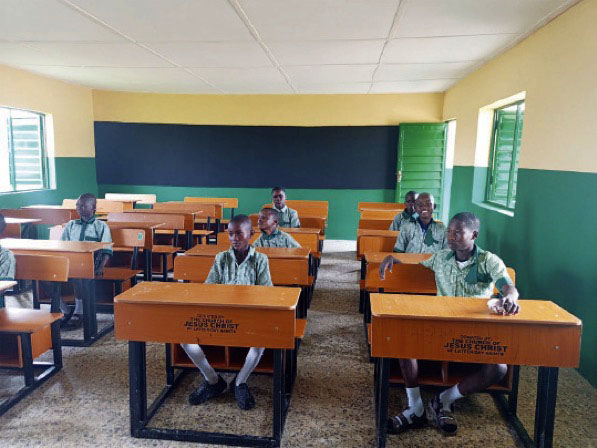
Stakeholders in Nigeria’s legal education sector have renewed calls for a comprehensive transformation of the country’s legal training system, citing persistent challenges such as backlog in admissions to the Nigerian Law School, inadequate funding, outdated curricula, and poor infrastructure across law faculties.
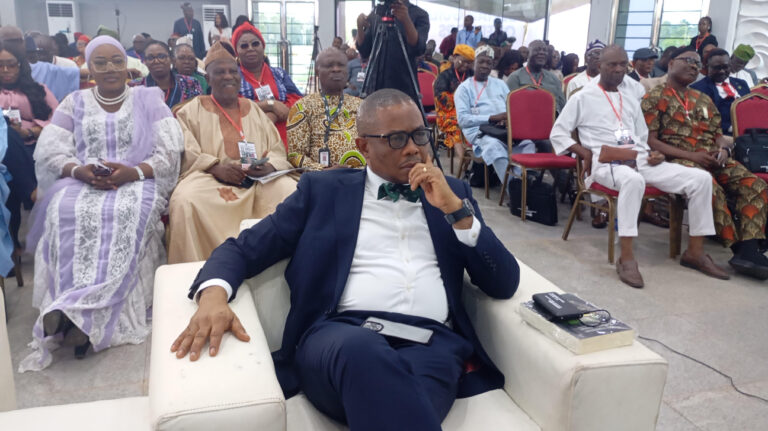
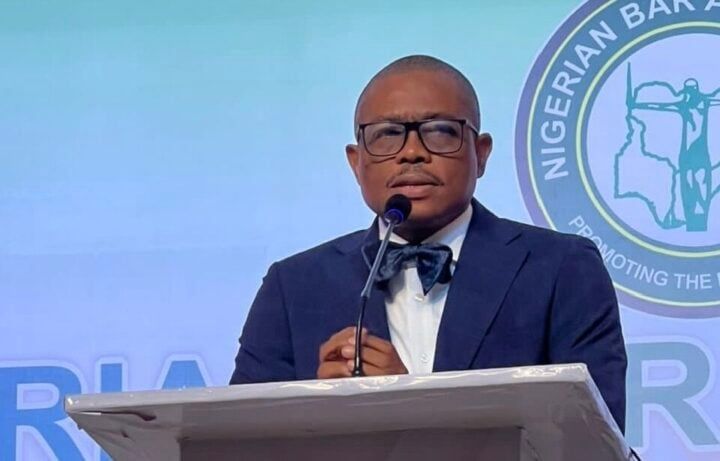
The call was made by the Legal Education Committee of the Nigerian Bar Association (NBA) during the South West Regional Townhall Workshop on Legal Education, Faculty of Law, University of Lagos (UNILAG).
The workshop forms part of ongoing efforts by the NBA to review and strengthen legal education in Nigeria so that graduates can meet the demands of a rapidly evolving legal profession.
The NBA President, Mazi Afam Osigwe, had earlier inaugurated the committee led by Professor Damilola Olawuyi, Deputy Vice-Chancellor, Afe Babalola University, Ado-Ekiti.
The committee was mandated to promote functional legal education through training sessions, conferences and the introduction of modern teaching approaches.
The initiative is designed to provide a platform for stakeholders across the country to examine the state of legal education and propose practical reforms.
Other News
The South West edition, which followed the maiden workshop held at Imo State University, Owerri, attracted about 200 participants, including legal practitioners, law lecturers, and students from universities across the region.
Five institutions: UNILAG, Lagos State University, Redeemer’s University, Fountain University and Olabisi Onabanjo University presented reports on the state of legal education in Nigeria, highlighting achievements and challenges faced by law faculties.
Olawuyi represented by Folasade Abiodun, emphasized the urgent need to review Nigeria’s legal education system in order to align it with global standards.
He stressed the importance of updating the curriculum and leveraging technology to improve teaching methods and better prepare law graduates for contemporary legal practice: “It is in line with the mandate given to us that we have created this workshop to provide a safe platform for stakeholders to identify areas for innovation and improvement, and to unlock transformational changes in the teaching and practice of law in Nigeria.”
Host dean, Prof. Abiola Sanni, also underscored the need for urgent reform, noting that the last major legal education reform in Nigeria dates back to 1962 when the country began training its lawyers locally: “Although several reform initiatives have been proposed over the years, none has been fully implemented.
“There is need to strengthen the Nigerian Law School. The growing backlog of law graduates awaiting admission is a major bottleneck in the legal education system. While pupilage is an essential component of legal training, it should primarily apply to students who intend to pursue careers in legal practice.”
Responding, Osigwe, comwmended the Legal Education Committee and UNILAG for organizing the workshop and providing a platform for critical discussions on the future of legal education. He acknowledged that the legal profession is facing increasing demands in a globalized world, which makes reforms.