Follow Us on Google

By Adewale Sanyaolu
The National Association of Seadogs, Pyrates Confraternity, has called for the reorientation of the Nigeria Police and other security agents as part of broader reforms aimed at guaranteeing citizens rights.
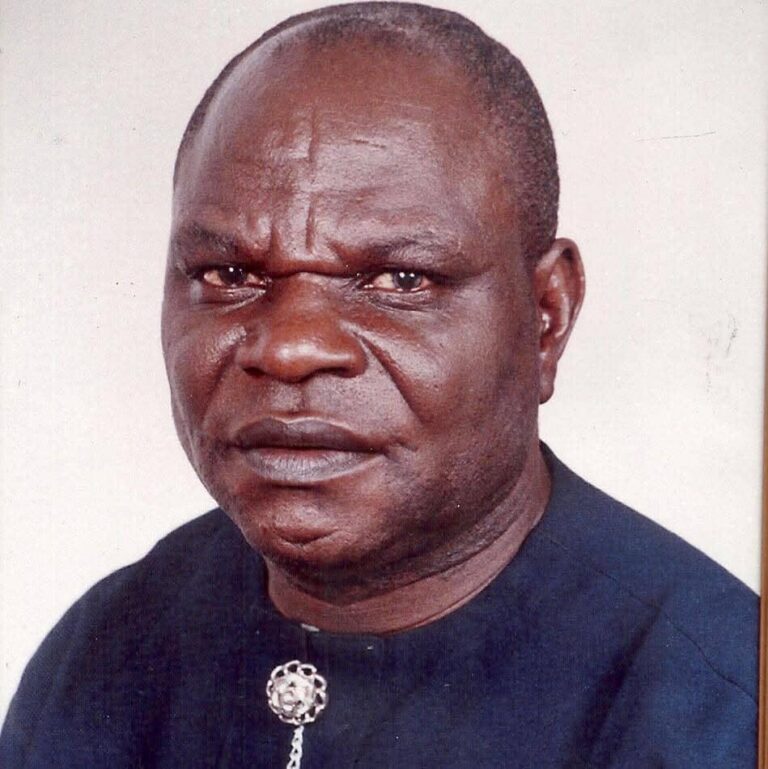
In a statement signed by the NAS Cap’n, Dr. Joseph Oteri, to commemorate the Human Rights Day 2024 with the titled“Human Rights Day:A Call to Collective Action to Do What is Right” the group lamented that the celebration brings to center stage some sore tales requiring global and national attention.
The group maintained that the reorientation of the police and other security agencies must be targeted towards community-based policing that prioritizes human dignity over intimidation and violence while the judiciary must reaffirm its role as the last hope of the common man by upholding justice without fear or favor.
Going down memory lane, NAS worried that 76 years since the Universal Declaration of Human Rights was proclaimed and adopted, the world is still confronted by flagrant abuses of human rights all over the world.
“ It is doubtful that human rights have inched up the improvement notch unlike the progress recorded in science and technology. It would seem that as the world progresses, humans seek novel ways to deny others of their rights,”.
As a UN Special Consultative Status organization, the Pyrates Confraternity is deeply committed to the promotion and protection of human rights, underscoring our indispensable role in shaping a just and sustainable future for all.
However, human rights abuses remain a grave challenge in Nigeria, with persistent violations undermining the dignity and well-being of citizens. Reports of police brutality, unlawful detentions, extrajudicial killings, gender-based violence, and suppression of free speech have become alarmingly frequent.
These abuses are not merely breaches of the law; they inflict profound psychological and emotional scars on victims, eroding trust in the very institutions tasked with safeguarding their rights.
Human rights violations in Nigeria continue to paint a troubling picture of systemic failures.
Recent incidents, such as the unjust arrest of activist and lawyer, Dele Farotimi, and the harassment of his staff and associates, the unlawful detention of minors participating in the #EndBadGovernance protest, and the brazen assault of two commuting civilians by a certain Major General of the Nigerian Army and his subordinates, are but a tiny drop in the ocean of human rights violations witnessed daily in Nigeria.
The cost of human rights violations extends beyond immediate physical harm. Victims often endure long-term psychological trauma, including anxiety, depression, and post-traumatic stress disorder (PTSD). Families of those unlawfully detained or killed are plunged into cycles of grief and economic hardship.
Communities subjected to systemic neglect or state-sponsored violence suffer collective disillusionment, further fracturing the social fabric and deepening societal inequalities.
Other News
The global community must also play its part. Racism, xenophobia, and other forms of discrimination must be actively dismantled through meaningful actions. Enacting protective laws, safeguarding migrants and asylum seekers, and addressing systemic inequalities are critical steps. Recent events, such as the riots in London, highlight the growing resentment that arises from neglecting these issues. Acknowledging our shared humanity and prioritizing equality are vital to fostering a just and sustainable future.
There have been numerous reports of extrajudicial killings, torture, and arbitrary detention by Nigerian security forces. The lack of accountability for these abuses remains a significant concern.
The military and police forces have often been accused of using excessive force against civilians.
Despite constitutional guarantees, freedom of expression in Nigeria has been under threat. Journalists, activists, and ordinary citizens have faced harassment, arrest, and intimidation for expressing dissenting views. Laws that criminalize defamation and cybercrime have been used to suppress free speech.
To address some of these challenges, the National Human Rights Commission (NHRC), established to monitor and address these violations, must remain a beacon of hope for the oppressed.
The assessment of NHRC raises critical questions. While it has made strides in investigating certain high-profile cases, its interventions often fall short of delivering justice or holding perpetrators accountable, due to lack of autonomy and a persistent interference by government.
The NHRC must strengthen its independence, ensure timely investigations, and provide robust follow-up mechanisms to ensure that its findings lead to real consequences for offenders.
It is imperative that the Commission prioritize the protection of vulnerable groups, including women, children, and minority communities, while amplifying its advocacy for systemic reforms in law enforcement, the judiciary, and other critical sectors.
On this Human Rights Day, the National Association of Seadogs is calling on the Nigerian government to honor its constitutional obligations and international commitments to human rights.
Thefightforhumanrightsisnotadistantidealbutapresentnecessity.Theabuseswetoleratetodaycastlongshadowsoverourcollectivefuture.Itisonlybyprotectingtherightsofeveryindividualthatwecanbuildasocietyrootedinjustice,equity,andsustainablepeace.
“We therefore urge all arms of government to strengthen the NHRC’s mandate, ensure adequate funding, and protect its operational independence.
A proactive and empowered Commission is essential to safeguard rights, promote accountability, and restore public confidence in Nigeria’s human rights framework.
As we commemorate Human Rights Day 2024, let this be a moment of reflection, renewal, and resolute action. Together, we can ensure that human rights are not merely aspirational but are fully realized in our lives, communities, and governance structures,’’.