Follow Us on Google
From Juliana Taiwo-Obalonye, Abuja
Nigeria has secured a major concession from Saudi Arabia over proposed reforms to the organisation of Hajj, preventing an immediate migration of 98 per cent of the country’s pilgrims’ quota to the Business-to-Business (B2B) tour operator model for the 2027 pilgrimage.
Under the concession secured by the National Hajj Commission of Nigeria (NAHCON), only 30 per cent of Nigeria’s Hajj quota will migrate to the B2B system in 2027, with further migration to take place gradually in subsequent years.
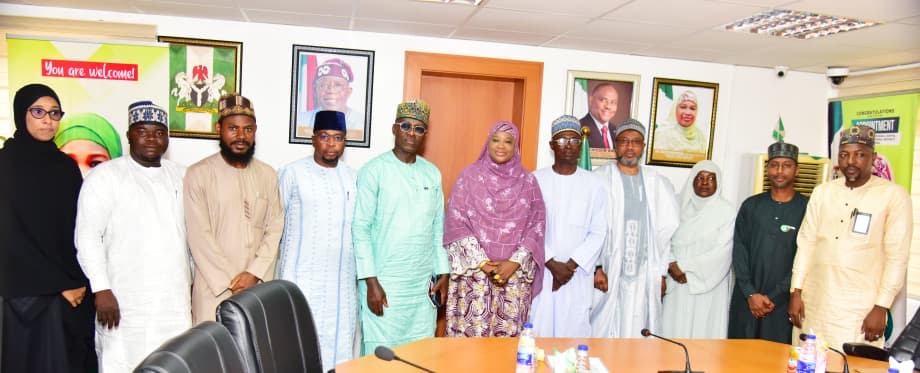
The development was disclosed by NAHCON Zonal Commissioner for the North-Central Zone, Prof. Muhammad Unaru Ndagi, during a policy communication engagement with the Minister of State for the Federal Capital Territory, Dr Mariya Mahmoud.
Ndagi said the Saudi authorities had initially proposed that 98 per cent of Nigeria’s Hajj quota migrate to the B2B model from the 2027 pilgrimage as part of reforms under Saudi Arabia’s Vision 2030.
Although NAHCON supported reforms aimed at improving efficiency and service delivery, he said an immediate 98 per cent transition could create significant operational challenges for Nigeria.
According to him, the proposed arrangement could disrupt existing Hajj administration structures, financial systems and, more importantly, affect the affordability of pilgrimage for ordinary Nigerians.
He disclosed that NAHCON subsequently engaged the Saudi authorities and secured the phased arrangement on August 18, 2026.
Under the agreement, Nigeria will commence with a 30 per cent migration to the B2B model for the 2027 Hajj, giving the country time to prepare for subsequent phases of the reform.
Ndagi said the phased approach would enable Nigeria to strengthen regulatory oversight, build the capacity of private tour operators, complete necessary digitisation and ensure that the transition does not compromise the welfare of pilgrims.
The development has received the backing of Mahmoud, who said Nigeria, as a law-abiding country, would continue to respect and operate within the framework of reforms introduced by the Saudi authorities.
Mahmoud, however, stressed the importance of adequate transition arrangements to enable Nigerian stakeholders to adapt effectively to the new system.
She described the proposed reforms as capable of improving the efficiency and smooth operation of Hajj activities, while welcoming the transition period secured by NAHCON.
The minister said the phased implementation would provide Nigeria with sufficient time to adjust while ensuring that Hajj operations remained orderly.
Mahmoud also commended NAHCON for what she described as an unprecedented success recorded during the last Hajj operation.
Beyond the administrative reforms, the minister called for strict compliance with health requirements, particularly among pregnant women and pilgrims living with chronic conditions such as diabetes, hypertension and heart disease.
She assured that relevant authorities would continue to strengthen medical screening and ensure compliance with established health guidelines.
Ndagi disclosed that NAHCON had already briefed Vice President Kashim Shettima and engaged state pilgrims’ welfare boards, relevant agencies and senior government officials on the proposed reforms.
He added that diplomatic engagements with the Saudi authorities were ongoing towards securing a mutually acceptable framework for the implementation of the reforms.
The NAHCON official, however, raised another immediate concern—the tight timeline for preparations for the 2027 Hajj.
He said Saudi authorities had fixed September 26, 2026 as the final deadline for uploading pilgrims’ registration, with no extension expected.
Ndagi consequently sought Mahmoud’s urgent intervention to ensure that the FCT and other relevant stakeholders prioritise pilgrims’ registration, documentation, payment and other processes.
He warned that timely compliance with the Saudi deadline would be critical to safeguarding Nigeria’s Hajj arrangements and protecting the interests of prospective pilgrims.
Mahmoud expressed optimism that continued collaboration among the Saudi authorities, NAHCON and other Nigerian stakeholders would result in more efficient, successful and sustainable Hajj operations.