Follow Us on Google
• It’s Nigeria’s biggest grassroots health boost yet
From Juliana Taiwo-Obalonye, Abuja
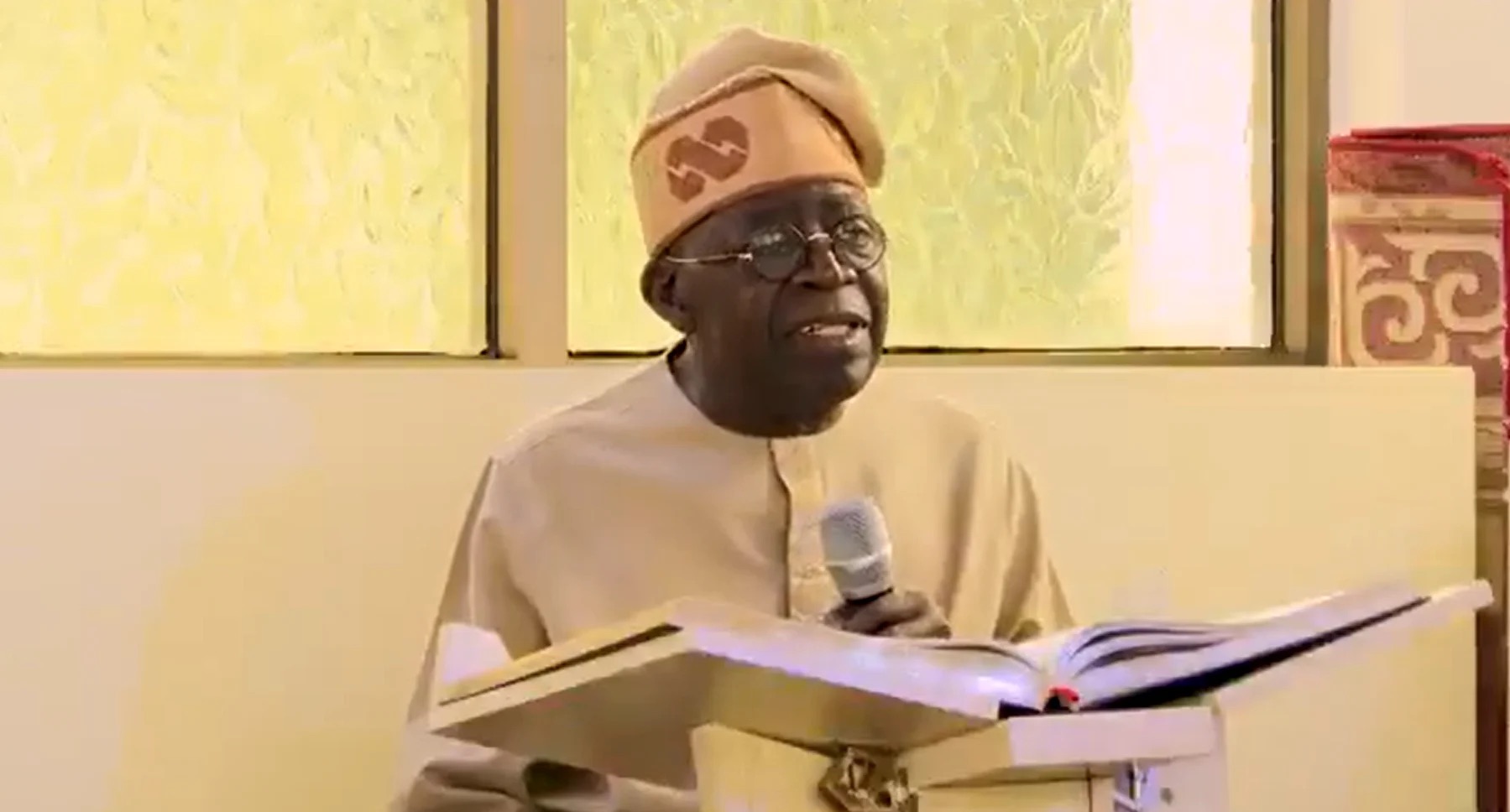
President Bola Tinubu yesterday announced that his administration injected over N98 billion into Nigeria’s primary healthcare sector last year, marking one of the largest single-year investments in grassroots health services.
Speaking at the inaugural All Progressives Congress (APC) National Health Convention and Roundtable 1.0 in Abuja, the President described the move as a cornerstone of his Renewed Hope Agenda, urging APC governors and legislators to prioritise health budgets and accountability.
Represented by Secretary to the Government of the Federation, George Akume, the President revealed the funds were disbursed via the Basic Health Care Provision Fund (BHCPF) to over 8,300 primary healthcare centres (PHCs) nationwide. “We have strengthened the Basic Health Care Provision Fund and consistently disbursed the quarterly allocation to primary health care centres, with over N98 billion disbursed to support operational expenses for over 8,300 Primary Health Care facilities last year,” Tinubu stated. This has fueled the upgrade of 2,565 facilities with another 1,456 under rehabilitation and plans to expand to 5,212 more, totaling over 13,500 centres.
He said upgraded PHCs now offer 24-hour services, staffed by trained workers, equipped with medicines, equipment, power, and water, targeting rural and underserved areas. “Also, we are expanding this very critical sustainable domestic financing mechanism to an additional 5,212 primary health care centres to reach a total of over 13,500 facilities,” he added. “We have expanded health insurance coverage and provided it to over 10 million vulnerable individuals.”
Tinubu highlighted workforce gains: “In 2023, I tasked the Minister of Health with retraining 120,000 primary health care workers within 4 years. This is to empower them to deliver quality health care services to our people and also, to enable them compete with their counterparts across the world. In just two years, over 78,000 frontline health workers have been trained. These include doctors, nurses, midwives, CHEWs, and JCHEWs.”
The President spotlighted the Maternal Mortality Newborn Reduction Innovation Initiative (MAMII), linking over 100,000 pregnant women in 172 high-burden local government areas to antenatal, delivery, and postnatal care with free emergency services. He touted the Presidential Initiative for Unlocking the Health Care Value Chain (PVAC) to cut medicine imports by boosting local manufacturing and supply chains.
Tinubu called on APC leaders to meet the 15 percent Abuja Declaration health budget benchmark, publish annual scorecards and transcend politics. “As a ruling party, we must hold ourselves accountable,” he said, posing questions about budgetary priorities, facility functionality, worker motivation and direct funding to health centres. “This convention must not turn into a mere talk shop. Let APC be the first party to institutionalise health reform in Nigeria.” He urged the private sector, traditional rulers, and faith leaders to collaborate, declaring: “A country cannot be prosperous if its citizens are unhealthy.”
Other News
Minister of State for Health and Social Welfare, Iziaq Salako, delivered a comprehensive progress report, framing the event amid global shocks like COVID-19 and declining donor aid. Citing 2023 Nigeria Demographic and Health Survey data, he noted maternal mortality dropping to 512 per 100,000 live births, from 576 in 2018, under-5 mortality to 110 per 1,000, from 132, and skilled birth attendance rising to 53 percent.
Salako added: “Government health expenditure is 5.2 percent of GDP, consistently upward trend since 2024 far below the 15 percent Abuja Declaration minimum. Out of pocket expenditure for health remains as high as 71 percent.” Over 30,000 PHCs were sub-optimally functional in 2023, with a doctor-to-population ratio of 1:5,000 (versus WHO’s 1:600).
Under the Nigeria Health Sector Renewal Investment Initiative (NSHRII) launched December 2023, BHCPF absorption rose from 45 percent in 2019 to 78 percent in 2023; over 20 million are insured via the NHIA Act 2024. “The convergence of BHCPF and NHIA represents a powerful mechanism for achieving UHC, but we need accelerated state-level implementation,” Salako said. PHC quality scores climbed from 42 percent to 67 percent, utilisation from 15.1 million visits in 2024 to 170.8 million in 2025.
Disease programmes advanced: “The HIV/AIDS Control has enrolled 1.78 million PLHIVs on treatment with a National ART coverage of approximately 80 percent,” he noted. TB hit 85 percent treatment success; malaria efforts distributed 63 million nets; immunisation reached 57 percent Penta-3 coverage, with zero wild poliovirus since 2020.
Salako detailed 37,000 new hires, 70,000+ trained, 500+ infrastructure projects, Power for Health, Nigeria Digital Health Initiative (NDHI), and expanded labs. RMNCH averted 215,000 deaths. On challenges like brain drain: “We have refused to be defined by our challenges. Our resolve is to build on what is working while addressing critical gaps.” He vowed rural incentives, digital supply chains, and green energy: “Health system resilience is not built overnight. It requires sustained investment, political will, technical excellence, community ownership, and accountability.”
Federal Capital Territory Minister of State Dr. Mariya Mahmoud affirmed health’s centrality to Renewed Hope. “President Tinubu’s Renewed Hope Agenda places health at the core of national development,” she said. “This is evidenced by the ongoing reforms to revitalize primary healthcare (PHC), expand health insurance coverage, improve health financing, and enhance workforce welfare.”
Hailing the APC Medical Council: “It aligned perfectly with the party’s vision of people-centered governance.”
She said: “Focus on practical, implementable solutions to accelerate progress toward Universal Health Coverage. Translate the day’s discussions into measurable actions that would positively impact communities.”