Follow Us on Google
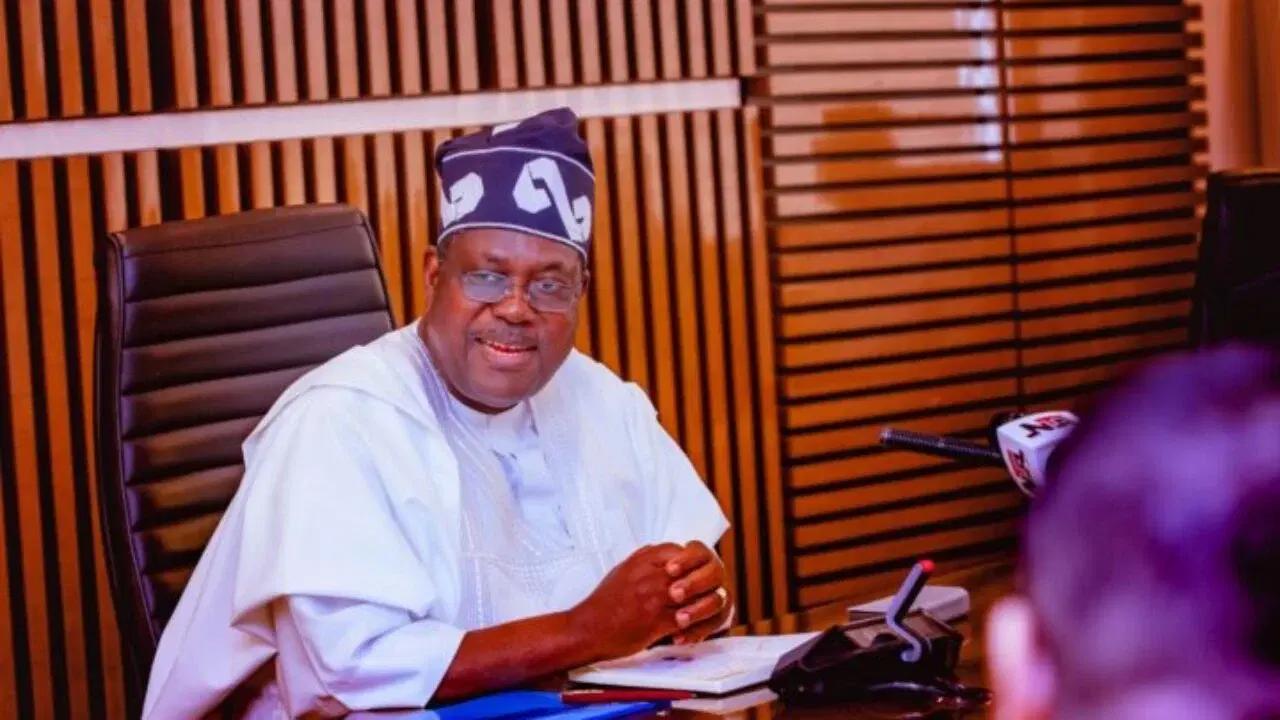
From Juliana Taiwo-Obalonye, Abuja
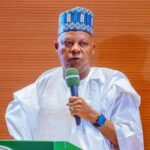
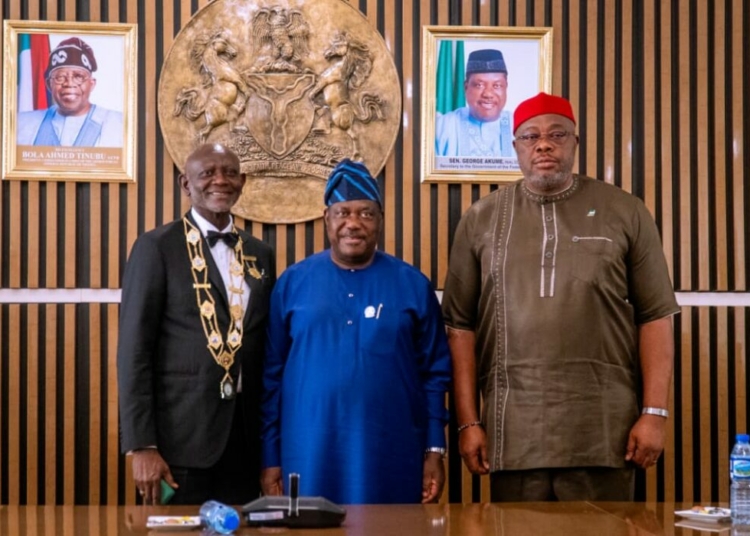
Secretary to the Government of the Federation (SGF), George Akume, has dismissed claims that President Bola Tinubu’s administration was working towards a one-party state, assuring Nigerians that the government remained committed to multi-party democracy and credible elections.
Akume also pledged that the administration would deepen engagement with the Catholic Bishops’ Conference of Nigeria (CBCN), faith-based organisations, civil society groups and other stakeholders in addressing the country’s security, economic and social challenges.
The SGF gave the assurance in a statement he personally signed following reactions that trailed President Tinubu’s recent meeting with the leadership of the Catholic Bishops’ Conference of Nigeria.
He said the Federal Government remained open to constructive criticism and would continue to govern through dialogue, accountability and evidence-based policies.
“The Federal Government neither seeks nor supports a one-party state,” Akume declared.
He added that the administration remained “deeply respectful of the independence of the Independent National Electoral Commission, in the spirit of true democracy.”
Akume said the Office of the Secretary to the Government of the Federation would continue consultations with the Catholic Bishops, other religious bodies and relevant stakeholders to build consensus on issues affecting the nation.
According to him, faith communities, traditional institutions, civil society organisations, the private sector and citizens all have important roles to play in promoting peace, social cohesion and national development.
“Many of the challenges confronting our nation require partnership. Faith communities, traditional institutions, civil society, the private sector and citizens all have indispensable roles to play in promoting peace, strengthening social cohesion and advancing national development.
“Constructive engagement between Government and these institutions is therefore not only welcome but essential,” he said.
The SGF described the Catholic Church as one of Nigeria’s major development partners, citing its contributions to education, healthcare, humanitarian intervention, peacebuilding and moral leadership.
He said the meeting between President Tinubu and the Catholic Bishops was frank and constructive, with discussions covering insecurity, economic hardship, education, public services, electoral credibility, political pluralism and religious freedom.
Other News
Akume said both sides also acknowledged some progress made by the administration, including the Nigerian Education Loan Fund (NELFUND) programme and recent security operations that led to the rescue of abducted schoolchildren and teachers.
On the economy, the SGF acknowledged the difficulties faced by many Nigerians but described the situation as a temporary phase arising from reforms aimed at correcting long-standing structural challenges.
He argued that the administration’s policies were designed to restore macroeconomic stability, attract investment and place the economy on a sustainable growth path.
“The reforms were difficult but necessary measures aimed at correcting long-standing structural weaknesses, restoring macroeconomic stability, rebuilding investor confidence and placing the economy on a sustainable path,” Akume said.
He listed ongoing infrastructure projects, including the Lagos-Calabar Coastal Highway, Sokoto-Badagry Super Highway, nationwide road rehabilitation, agricultural support initiatives, electricity reforms and expanded social intervention programmes as part of efforts to improve living standards.
The SGF said there were indications that the reforms were beginning to yield results, including improved foreign exchange stability, easing inflationary pressures and renewed investor confidence.
He assured Nigerians that the next phase of the government’s economic programme would focus on converting macroeconomic gains into tangible improvements, including lower food prices, job creation, better public services and expanded opportunities.
On security, Akume said the Tinubu administration remained committed to protecting lives and property, disclosing that the President had approved the creation of four additional Army divisions in Benue, Kwara, Taraba and Edo states to strengthen military operations.
He said the government was also improving intelligence gathering, logistics, recruitment, technology and personnel welfare, while reforms within the security architecture were being implemented through initiatives such as the establishment of the Office of Homeland Security.
Akume acknowledged that disagreements between government and religious institutions could occur over policies but insisted that both parties shared the common objective of building a peaceful and prosperous Nigeria.
“No responsible government should ignore the concerns of its people,” he said.
“Our diversity is our source of strength. In spite of many, we are one people.”