Follow Us on Google
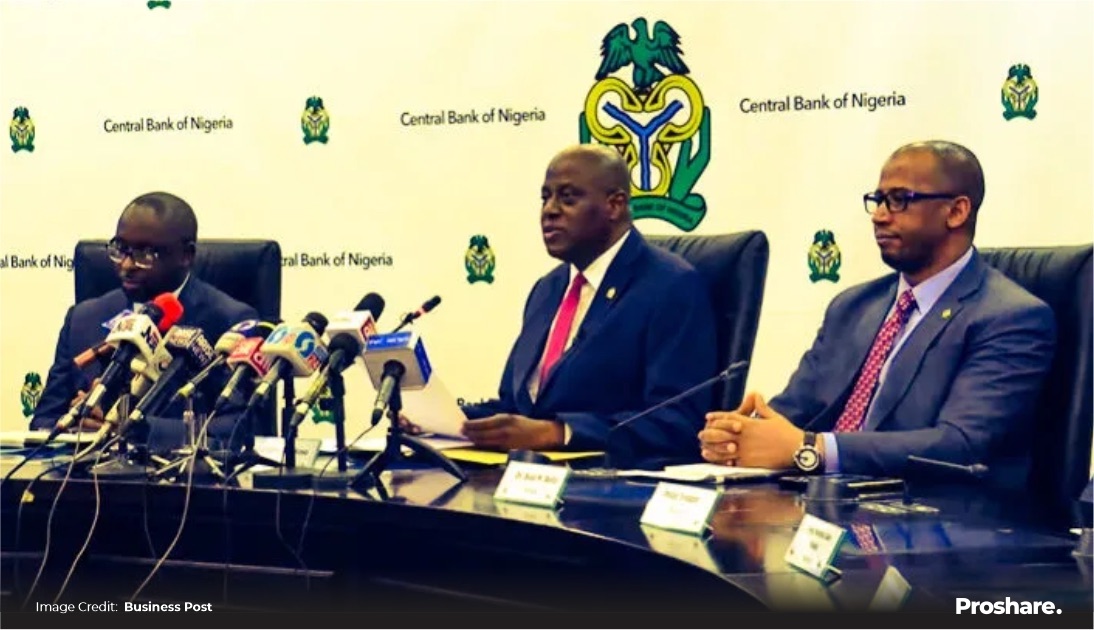
Ahead of the upcoming Monetary Policy Committee (MPC) meeting scheduled for February 17-18, 2025, its members are advocating for mild interest rate hikes and improved liquidity management in a bid to stem the surging inflation rate in the country.
This stance comes after six consecutive interest rate increases, with the most recent hike of 25 basis points bringing the rate to 27.50 per cent.
Despite these aggressive monetary tightening measures, the country’s inflation rate reached a three-decade high of 34.8 per cent in December 2024, severely eroding consumer purchasing power
Hence, the developments since the last MPC meeting indicate further uncertainty in realising a durable disinflation trajectory towards the desired target. According to the members who expressed their concerns in the personal statements which was released yesterday, the short-term upsides to inflation from food prices signals the potent effect of macroeconomic shocks which may inhibit the moderation of headline inflation in Nigeria.
They stated that the agricultural crop outlook is turning out to be uncertain, with improving prospects of declining output while adding that the country’s inflation may not be likely contained on continuing transmission of past monetary policy actions unless there are surprises in fiscal interventions and other sector developments such as sudden petroleum price hikes witnessed in Nigeria during September/October 2024.
With the next MPC meeting approaching in a few weeks, members called for more moderate measures. Managing Director, EcoDini Solutions Limited, Bandele Amoo who is also a member of the MPC, urged the CBN to continue optimizing the full array of monetary instruments available which includes strengthening its pro-market monetary operations strategy to boost policy effectiveness in terms of attracting foreign capital inflows and supporting efforts to strengthen the naira.
Amoo suggested that mobilisation of household financial savings through innovative products and services offering may help to reduce excess liquidity and help to shift credit to the productive sectors. “CBN will need to remain vigilant and take some measures on the orderly operations of the digital lending ecosystem in Nigeria; deepen the speed and efficiency of digital payments; reposition the existing special purpose vehicles to give massive support to agricultural production and processing.
Consequently, I believe that it is early to end the tightening cycle when the enduring path to moderation in inflation rate and true exchange rate, is yet to crystallize. A little tightening (25bps increase in MPR) is beneficial now, as it allows previous hikes to further permeate the economy, aiming to rein in rising inflation. The other rates – CRR, LR, and the asymmetric corridor may remain unchanged. However, I am aware that the further hike in the MPR may negatively affect real sector players, particularly regarding corporate interest expenses on bank borrowings.
The massive rebate on taxes, duties, levies granted to small and medium businesses by the Order 2024, as well as roll-out of CNG vehicles should continue to confer extensive financial relief to the product pricing process for the affected sectors. When these happen, inflation will be subdued in the interim and may further abate when other long run measures set in.
The Nigerian economy presents a near-term picture of stability and strength. The positive nexus between inflation and growth is well discussed in economic literature. The country’s growth stories showed that we still have a distance to cover. Global investor optimism in Nigeria’s growth prospects is at its highest ever, so we should not be complacent now, amidst rapidly evolving global conditions. We must bring inflation to our desired level in Nigeria, despite the prevailing macroeconomic conditions and outlook”, he said.
For his part, the Deputy Governor, Financial System Stability Directorate, Philip Ikeazor, said that a substantial hike in the policy rate will not only ensure that monetary policy sustains the pathway to stable prices but strengthens market expectations and the commitment to stabilize the economy.
He suggested that due to the ongoing economic reforms of the Federal Government. Therefore, raising the CRR at this time could worsen the liquidity position of banks and hamper the supply of credit to the economy.
“In addition, a simultaneous hike in MPR and CRR, could further raise the cost of production and complicate manufacturing capacity utilization which dropped from 52.4 in the last quarter of 2023 to 50 per cent in the second quarter of 2024. This could further increase cost-push inflation and worsen the Non-Performing Loan ratio.
In the last MPC, I provided forward guidance on the intention to support a hike in rates if the fiscal actions of the Sub-national Governments continue to weaken the effective transmission of monetary policy. The support for a hike at this time was also meant to counteract the consequences of the frequent fiscal injections by the Sub-national Governments which research has shown to be a major source of inflation persistence in the economy. In conclusion, in keeping to the course of economic policy reform of the Federal Government, a supportive monetary policy is critical, to ensure a non-inflationary economic reform”, he said.