Follow Us on Google
By Henry Akubuiro
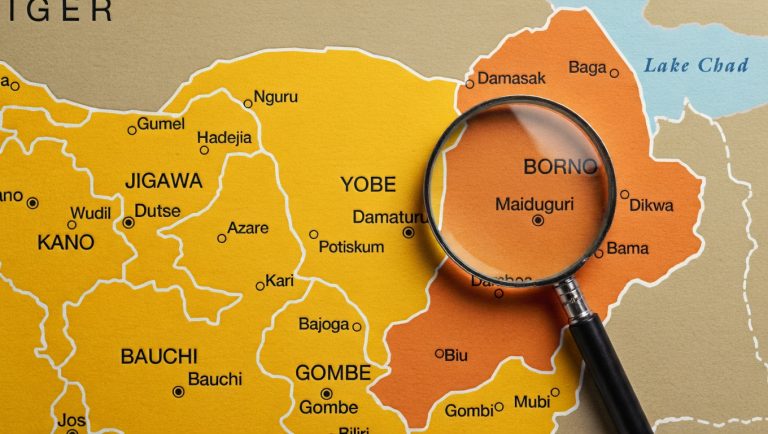
Mohammed Umar Midala, Deputy Education Secretary, Biu Local Education Authority, Borno State, has called on Nigerians to embrace their mother tongue and write in indigenous Nigerian languages. Umar made this known recently in a piece to mark the International Mother Language Day on Saturday, February 21.
Umar said a contribution by Dr. Bukar Usman had become a central figure in Nigeria’s battle against language loss, spearheading a nationwide effort to document and revive endangered oral traditions.
According to him, between 2013 and 2015, Usman led a pan-Nigerian field research project that gathered more than 4,000 folktales from all the geopolitical zone, using tape recorders and community elders to capture stories in their original tongues before they vanished.
Those recordings, he said, were later translated and published in Hausa, Igbo, Yoruba and English, creating a “Treasury of Nigerian Tales” that “now serves as a living archive for scholars, schools and media outlets. ”
Other News
Umar noted that “Usman’s work does more than preserve words; it reinforces cultural diversity by showing how language, myth and daily life intertwine. As president of the Nigerian Folklore Society, he has turned these collections into books, radio programmes and classroom resources, giving young Nigerians access to narratives that were once only whispered at moonlight gatherings. His approach mirrors UNESCO’s strategy on endangered languages document, revitalise, and integrate mother-tongue instruction —making his projects a practical example of the global action plan for the 2022-2032 International Decade of Indigenous Languages.”
Beyond Nigeria, the educationist said Usman’s publications had reached neighbouring countries and diaspora communities, prompting similar documentation efforts in Hausa-speaking regions of Niger and Chad.
“Chinese scholars, for instance, have cited his work as a model for preserving African oral heritage in foreign academic circles,” he said, adding, “By turning ‘dead moonlight’ stories into printed and digital formats, Usman has helped keep Nigeria’s linguistic mosaic vibrant and has offered a replicable blueprint for other nations confronting language extinction.”
The International Mother Language Day is a day dedicated by the United Nations to promote awareness of linguistic and cultural diversity and to promote multilingualism.