Follow Us on Google
The Federal Government has commenced consultations ahead of fresh negotiations on the national minimum wage, with discussions already ongoing on proposals to improve the earnings and welfare of Nigerian workers.
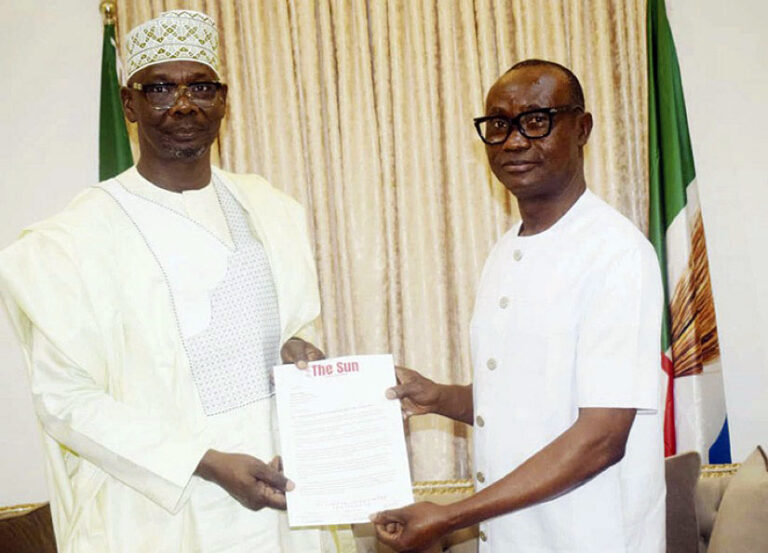
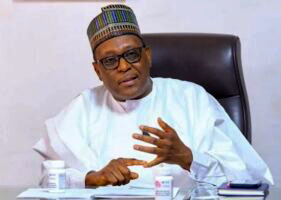
The Permanent Secretary, Federal Ministry of Labour and Employment, Dr Kamil Shoretire, disclosed this on Tuesday at a capacity-building workshop for labour correspondents in Abuja.
Shoretire said that although the government had not announced a timetable for the formal commencement of negotiations, background consultations were already underway.
“We are yet to announce the timetable for that, but background discussions are already ongoing. When it’s time to get the press involved in what has been proposed and what is being negotiated, it will be revealed to you,” he said.
He explained that the consultations were part of wider efforts to address wage and allowance issues across different sectors, noting that collective bargaining discussions were also ongoing with workers in sectors such as health and education.
“Various discussions with health, education and other sectors that have lots of issues in terms of wages and allowances are ongoing and they are being fast-tracked so that the ones that are agreed will reflect in next year’s budget,” Shoretire stated.
The permanent secretary also disclosed that the Federal Government had responded to a complaint filed against it by the Nigeria Labour Congress (NLC) at the International Labour Organisation (ILO).
According to him, Nigeria met the September 1 deadline set by the ILO to respond to outstanding issues raised in the complaint.
His words: “Let me start with the ILO. We have met the deadline. We have responded to the request from ILO. I was there when a complaint was filed by the NLC against the Nigerian government at the ILO on some of the labour issues that are yet to be resolved in the country.
“We responded at the ILO, but we also got that certain areas were not addressed or were pending. So those ones were the ones that we got a deadline on September 1, and we have responded accordingly.”
The NLC had petitioned the ILO at the International Labour Conference in Geneva, alleging violations of workers’ rights under the Right to Organise and Collective Bargaining Convention, 1949, otherwise known as Convention No. 98.
Other News
The union, in its petition, alleged persistent violations of workers’ rights and claimed that trade union leaders had been threatened, assaulted, intimidated and victimised. It asked the ILO Committee to find Nigeria in breach of Articles 1, 2 and 4 of the convention.
Shoretire said it was normal for workers’ organisations to seek the intervention of the ILO when they believed that issues between them and government were not being adequately addressed.
On the wage award, the permanent secretary said the arrangement remained in place, stressing that the government had not directed its stoppage. He also said additional incentives for workers and other citizens would be announced in the coming weeks, without providing details.
The development comes amid renewed calls from organised labour and other worker groups for a review of the N70,000 national minimum wage approved in 2024. Labour groups have argued that rising living costs have eroded the purchasing power of the current wage.
The Joint National Public Service Negotiating Council, Trade Union Side, has also recently called for the immediate constitution of a committee to negotiate a new national minimum wage ahead of January 2027, alongside demands for an upward review of salaries and allowances.
The government has, however, not announced a new minimum wage figure or formally opened the fresh national negotiation process.
Shoretire said the government remained committed to strengthening workers’ welfare while ensuring that negotiations and collective bargaining processes were properly concluded.
He also urged labour reporters to approach their responsibilities with accuracy, fairness and objectivity, warning that inaccurate or sensational reporting could heighten tensions and undermine reconciliation efforts in the industrial relations space.
He described the media as a strategic partner in promoting sound labour administration, accountability and industrial peace.
The workshop, organised by the Federal Ministry of Labour and Employment, also focused on emerging issues in the world of work, including artificial intelligence, the gig and platform economy, social security, migration and labour mobility, occupational safety and health, skills development and the future of work.
On her part, the Head of Press and Public Relations at the ministry, Annah Daniel, said the training was also aimed at strengthening existing collaboration between the ministry and journalists covering labour and employment issues.