Follow Us on Google
By Enyeribe Ejiogu
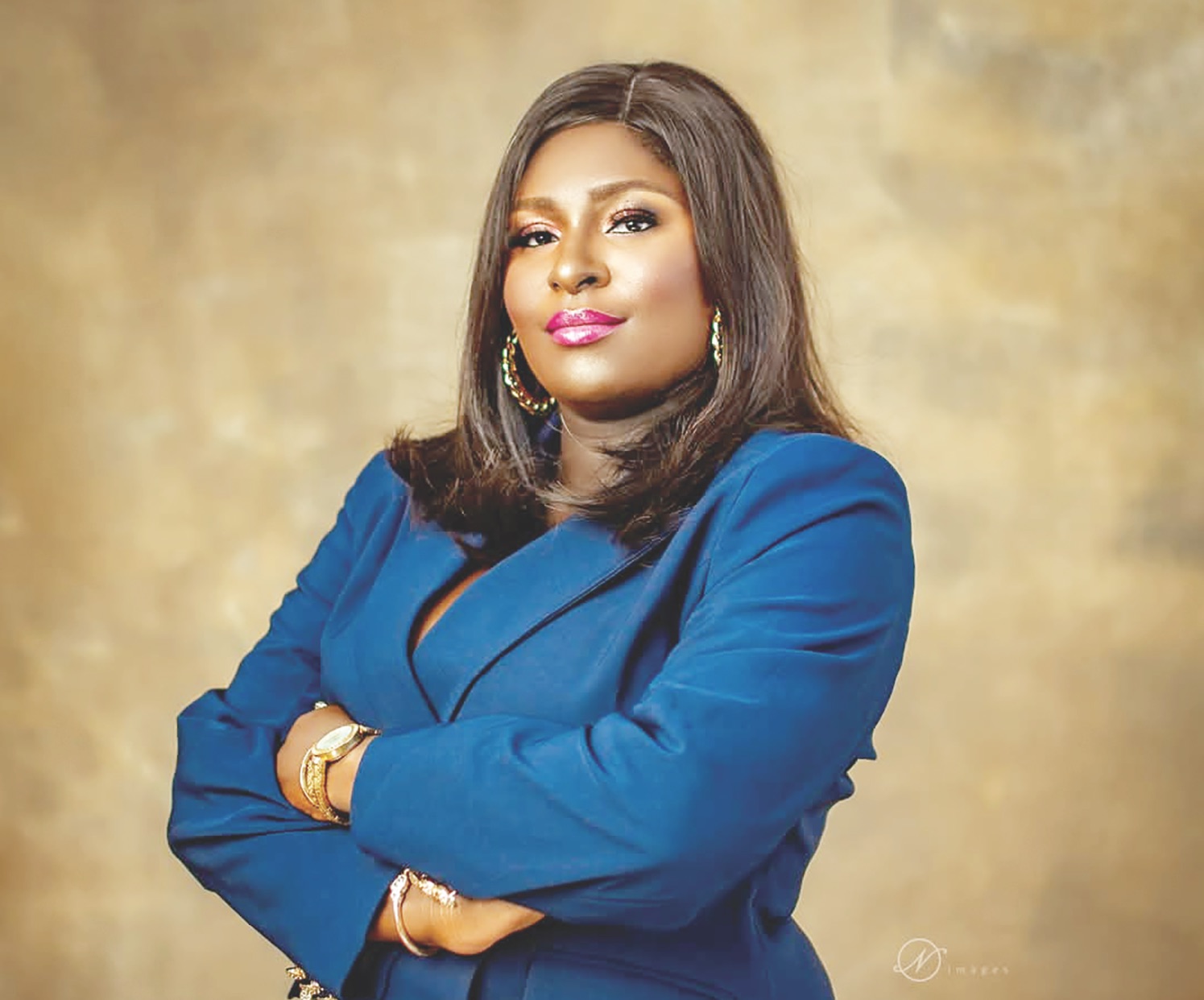
Stephanie Omoarebun is a fast-rising medical laboratory scientist and Executive Director of The Labcoat Agency, which is actively driving the campaign to change the narrative on health outcomes through accelerated preventive health awareness activities.
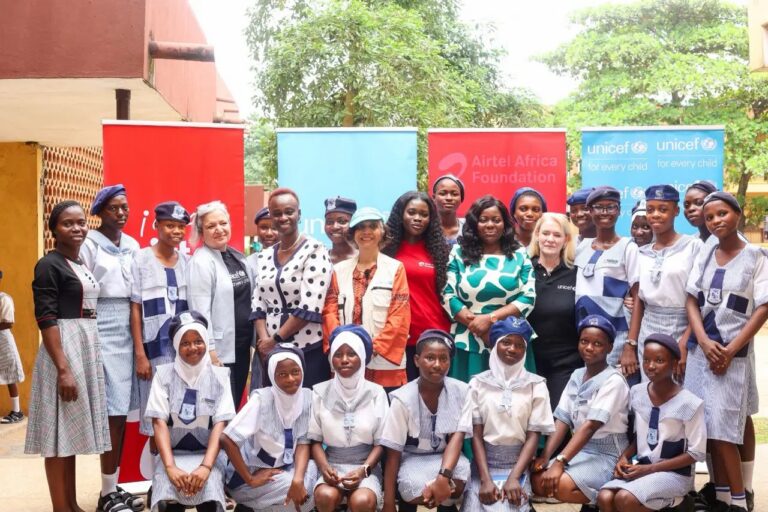
Alongside devoting time to function effectively as the first female National Secretary of the Young Medical Laboratory Scientists Forum, YMLSF (soon after serving as chairman of the Abuja FCT Chapter), she consistently engages with and mentors teenagers in schools, who will comprise the next generation of Nigeria’s health professionals.
In this interview, Omoarebun gives insight on how she has been able to juggle her health awareness/education initiatives, YMLSF’s advocacy for public healthcare system improvements and career demands as a senior business development manager.
Give me a description of your background – state, schools attended. What is unique about your community?
I was born in Kaduna State and hail from Edo State, Nigeria, a region known for its strength of spirit, cultural pride, and deep love for learning. I attended Ambrose Alli University, Ekpoma, where I earned a degree in Medical Laboratory Science, and I am currently pursuing a Master’s in Public Health.
Growing up in Kaduna exposed me to diversity: people of different backgrounds living together, working hard, and supporting one another through challenges. From my Edo heritage, I learned resilience and the importance of integrity. Those experiences shaped my worldview and guided my values: empathy, service, and excellence.
These lessons influence the work I do today at The Labcoat Agency, a healthcare and social impact initiative that combines science, education, and compassion to strengthen communities and improve public health outcomes.
Why did you choose medical laboratory science as a course? What do you find exciting about it, which can make a teenage girl in senior secondary show interest and follow in your footsteps?
I studied Medical Laboratory Science because I was fascinated by the science behind health, the processes that help detect, understand, and treat diseases. I wanted to be part of the system that makes accurate diagnosis possible. What excites me most is how critical our work is to patient care. Every treatment decision begins with laboratory data. We are the unseen foundation of medicine. To a teenage girl, I’d say: this is a career that combines curiosity and compassion. It teaches you discipline, patience, and the power of details. You may not always be in the spotlight, but you will always be essential to saving lives.
Please paint a picture of your career path and where you are at the moment.
My professional journey began in diagnostic medicine, practicing as a medical laboratory scientist, where I worked, hands-on, with patient samples and clinical data. That experience taught me the value of precision, integrity, and collaboration in healthcare.
As I advanced in my career, I began to see that diagnostics are not just about test results, they are the foundation of effective public health. This realization led me to pursue a Master’s in Public Health and expand my focus beyond the laboratory bench to the systems, policies, and awareness that determine who gets access to care in the first place.
Alongside my postgraduate studies, I transitioned into Business Development within the diagnostics industry. In that role, I began connecting the science I practiced with the strategy it required, building partnerships, expanding access to testing solutions, and demonstrating how diagnostics drive better outcomes and business sustainability.
While navigating this transition, The Labcoat Girl, a nickname tied to my professional identity, evolved into The Labcoat Agency, a platform born from the desire to connect science with society. The Agency grew from a simple idea: that healthcare should not begin only when people fall ill, but should reach them where they live, learn, and work.
Through The Labcoat Agency as Executive Director, I lead initiatives that use diagnostics, community engagement, and advocacy to improve public understanding of health, promote early testing and prevention, and strengthen partnerships between professionals, organizations, and communities. Our work focuses on bridging the gap between healthcare systems and everyday people translating technical expertise into real-world impact through education, outreach, and collaboration.
Beyond your core career responsibilities, do you belong to and/or hold positions in associations or professional groups?
Yes. I am an active member of the Association of Medical Laboratory Scientists of Nigeria (AMLSN) and the Association of Female Medical Laboratory Scientists of Nigeria (AFMLSN), where I contribute to programs that empower female laboratory professionals across the country.
I am also the current National Secretary of the Young Medical Laboratory Scientists Forum (YMLSF) and the first female to hold this position. Prior to being elected as the national secretary,, I served as the chairman of the Abuja FCT Chapter of YMLSF. In my role as National Secretary, I support young professionals, promote mentorship, and advocate for greater leadership opportunities for women in the field.
Through these associations, I have connected with colleagues nationwide, engaged in professional development programmes, and contributed to discussions on policy, capacity building, and community health initiatives.
What would you say have been the impact of these associations or groups?
They have helped elevate the visibility of laboratory professionals within Nigeria’s healthcare system. Through their programmes, more scientists are receiving training, mentorship, and opportunities to grow in leadership. Personally, they have given me a sense of community and direction showing how collective effort can influence policy, improve standards, and inspire younger professionals to aim higher.
We are seeing more people in health-allied professions get into initiatives that enable them to impact communities and groups beyond what they do in their regular work. Are you engaged in any initiative in this regard? If you are, please tell me about what you are doing.
Yes, I am. I founded The LabCoat Agency, which is a social impact and healthcare initiative that strengthens communities through education, access, and advocacy. The Agency works at the intersection of diagnostics and public health, helping people understand the importance of early detection, preventive care, and routine screenings.
We organize community health outreaches, awareness campaigns, and prevention drives for conditions such as cervical cancer, liver cancer, hepatitis, and other health risks. Our programmes include screenings, vaccinations, lifestyle education, and partnerships with healthcare workers and organizations to make diagnostics more accessible.
The goal is to make healthcare proactive, people-centred, and community-led ensuring that prevention and early intervention reach communities before illness takes hold.
What motivated you to start off the initiative?
The Labcoat Agency grew from my personal nickname, The Labcoat Girl. What started as an identity tied to my profession gradually became a vision, a desire to use my knowledge in diagnostics to reach people directly.
Over the years, I’ve seen how many health challenges persist simply because people lack awareness or access to basic diagnostic services. I also noticed that many health professionals want to make an impact but don’t always know how to connect their expertise to real community needs.
At the same time, I observed that healthcare often begins in the hospital, after people are already sick. I wanted to shift that perspective, emphasizing prevention, early detection, and proactive care. The Labcoat Agency was created to bridge this gap, bringing healthcare closer to society before illness occurs. My motivation comes from a belief that healthcare should not end at the hospital gate, it should flow into communities, families, and daily life through education, screenings, vaccinations, and collaboration.
What has been the response and the impact so far?
The response has been humbling and deeply encouraging. Our outreach and health education promotion programs have reached different communities, especially women and young people, with practical information about prevention, screening, and wellness.
We’ve conducted cervical cancer screenings, provided HPV and hepatitis vaccinations, offered general health checks, and worked to counter health misinformation in communities. We’ve seen individuals take screenings for the first time, families commit to routine health checks, and young health professionals volunteer their time to serve others. These experiences remind me that impact doesn’t always begin with grand projects, it starts with small, consistent acts of service.
We’ve also received recognition from partners, and colleagues in the health space who appreciate our community-centered, preventive approach. Each step reinforces that science and compassion must go hand in hand, and that proactive healthcare can make a tangible difference in people’s lives.
Please talk briefly about the challenges and how you have handled them.
One of the main challenges has been sustainability, maintaining consistent programs without major funding. Another challenge is changing community mindsets about preventive healthcare, especially in underserved areas where people seek care only when illness becomes severe.
To handle these challenges, I have learned to build partnerships, embrace collaboration, and use storytelling to simplify health messages. We’ve also learned to start small, focus on impact rather than size, and remain transparent with stakeholders. Every obstacle has taught me to be patient, adaptable, and hopeful.
In the light of what you have learned from engaging in the specified initiative, what do you think state governments or people in governance space can do to enhance society?
State governments need to view healthcare not just as hospital infrastructure, but as a living system that begins with prevention. Diagnostics and public education should be prioritized, because early detection saves more lives and reduces national healthcare costs.
The government can also strengthen partnerships with local professionals and social impact groups who already understand community dynamics. When policies are designed in collaboration with practitioners on the ground, they become more practical and effective.
Most importantly, empowering women and youth in health-related fields can multiply community impact. When people feel included, supported, and equipped to lead change, the benefits ripple far beyond the health sector.