Follow Us on Google

By Chukwudi Nweje
Media stakeholders have agreed to appoint an Ombudsman as a step towards self-regulation, in order to check infraction of code of professional ethics.
Rising from a roundtable of members of the Newspapers Proprietors Association of Nigeria (NPAN), the Nigeria Guild of Editors (NGE), the Nigerian Union of Journalists (NUJ), Broadcasting Organisation of Nigeria (BON), Guild of Corporate Online Practitioners, (GOCOP) and other media stakeholders in Lagos, yesterday, with theme: “Deepening Professionalism Through Co-regulation,” the media outlined framework for the appointment of the Ombudsman.
The stakeholders resolved that the Ombudsman would be an eminent journalist of many years standing who has no paid job.
The Ombudsman, it was agreed, would receive complaints from the public, which would be thoroughly investigated, determined and outcome publicized.
Where there’s infraction, the Ombudsman working with a panel, will recommend action against the offending journalist, newspaper, broadcast or online organisation.
The verdict of the Ombudsman and the panel would be subject to review by a review panel also headed by an eminent journalist who is also a lawyer.
The roundtable also adopted a reviewed code of conduct for media professionals aimed ensuring best practices.
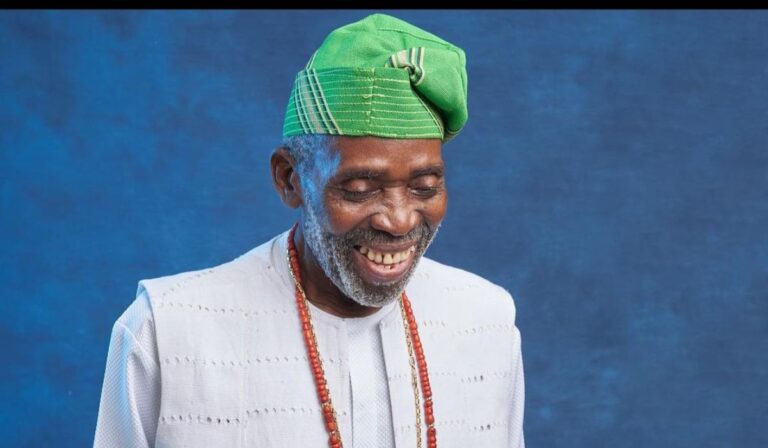
Speaking earlier, Chairman of the stakeholders roundtable and former governor of Ogun State, Aremo Olusegun Osoba, said the only way the media would free itself from draconian government legislation aimed at gaging the press was to co-regulate itself.
He said that attempt to gag the press had been on and will continue because government loves to operate in secrete.
According to him, “one of the last bills debated in parliament before the overthrow of the First Republic in 1966 was a bill a bill sponsored by Festus Okotie Eboh and it aimed to regulate the media.
“As far back as 1978, there was an attempt by the then military government of Gen Olusegun Obasanjo as he was going out to entrench the regulation of the media in the constitution. The war has been on and I’m sure it will not end because governments all over the world are like cultists because they like to operate secretly.”
“We formed the Nigerian Press Organisation (NPO), the all-inclusive body for all of us, and we formulated a code of conduct and got all media practitioners to swear to uphold it to prevent Obasanjo from making rules and regulations or first setting up a regulatory body for the press.”
The former governor of Ogun State noted that the co-regulation of the industry has become necessary because the media needed to do some introspection and reposition itself for accountability and for public good.
He lamented that some media outlets, especially the online platforms have become an embarrassment.
He said, “I hope you are ready to fight the war, some of the online plate forms have become thorough embarrassment to the profession and behave as if they are not trained. I don’t know if they are aware of the code of ethics that came out in 1978 and is still operational today. I am happy that the major newspaper platforms have gone online because breaking news comes up every day.”
He charged proprietors on the need to train their reporters on the use of technology to cope with the needs of the times.
In his address, Mr. Francis Nwosu, Executive Director Nigerian Press Council (NPC), who represented the Minister of Information and Culture, Alhaji Lai Mohammed said the Federal Government is not intention to gag the media but is laying a framework that would work in the interest of all stakeholders in the country.
He said, “ The Nigerian Press council is not mean to gag the press but to help improve the operations of the press. Let us all give the NPC a chance to work.”
The forum also unveiled, rectified, and adopted the 2022 Code of Ethics for Nigerian Journalists.
The Nigerian Press Organisation described the 2022 ethics as an attempt to jumpstart a fresh attempt to put in place rules to guide professional conduct and a regulatory council to support the effort to hold journalists accountable to the public and deepen public trust in their work
Highlights of the adopted Code of Ethics read out by the Director International Press Centre, Lagos Mr. Lanre Arogundada include an overwhelming adoption of the new code of ethics by the five professional bodies, NPAN, NUJ, NGE, BON, and GOCOP under the NPO as a way to address ethical and professional issues in the media industry. The body however noted that the new code would only work if strictly enforced.
The roundtable also adopted the 2022 code of ethics as a product of the NPO; the creation of the office of an Ombudsman; the need to avoid excessive bureaucracy in the management of the Ombudsman; need for appropriate sanctions for violation of the code of ethics.
Some of the NPAN members at the roundtable include Mr. Sam Amuka, publisher of Vanguard, Prince Nduka Obiagbena, publisher of ThisDay and president of Arise Television, Mrs. Median Ibru, publisher of The Guardian, and Mallam Kabiru Yusuf, Chairman of Daily Trust, who is also President of NPAN, Prince Fennis Sami, publisher if Nigerian Pilot, and Mr. Onuoha Ukeh, MD/Editor-in-Chief, The Sun Publishing Limited; Mr Azu Isiekwene, MD, Leadership Newspapers; and Mr. Ggenga Adefaye, Editor-in-Chief, Vanguard, among others.