Follow Us on Google
From Fred Ezeh, Abuja
The Bureau of Public Procurement (BPP) has warned that Ministries, Departments and Agencies (MDAs) could risk prosecution for purchasing vehicles from suppliers that have not complied with the Federal Government’s local automotive assembly policy.
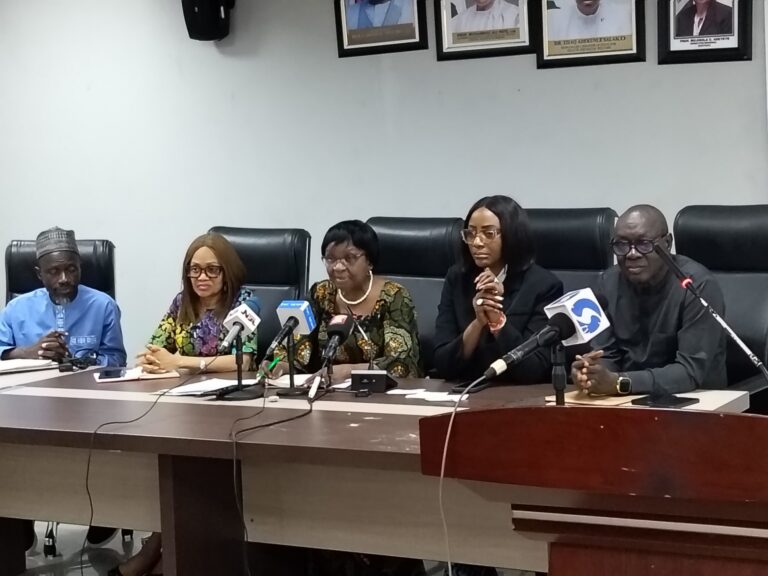
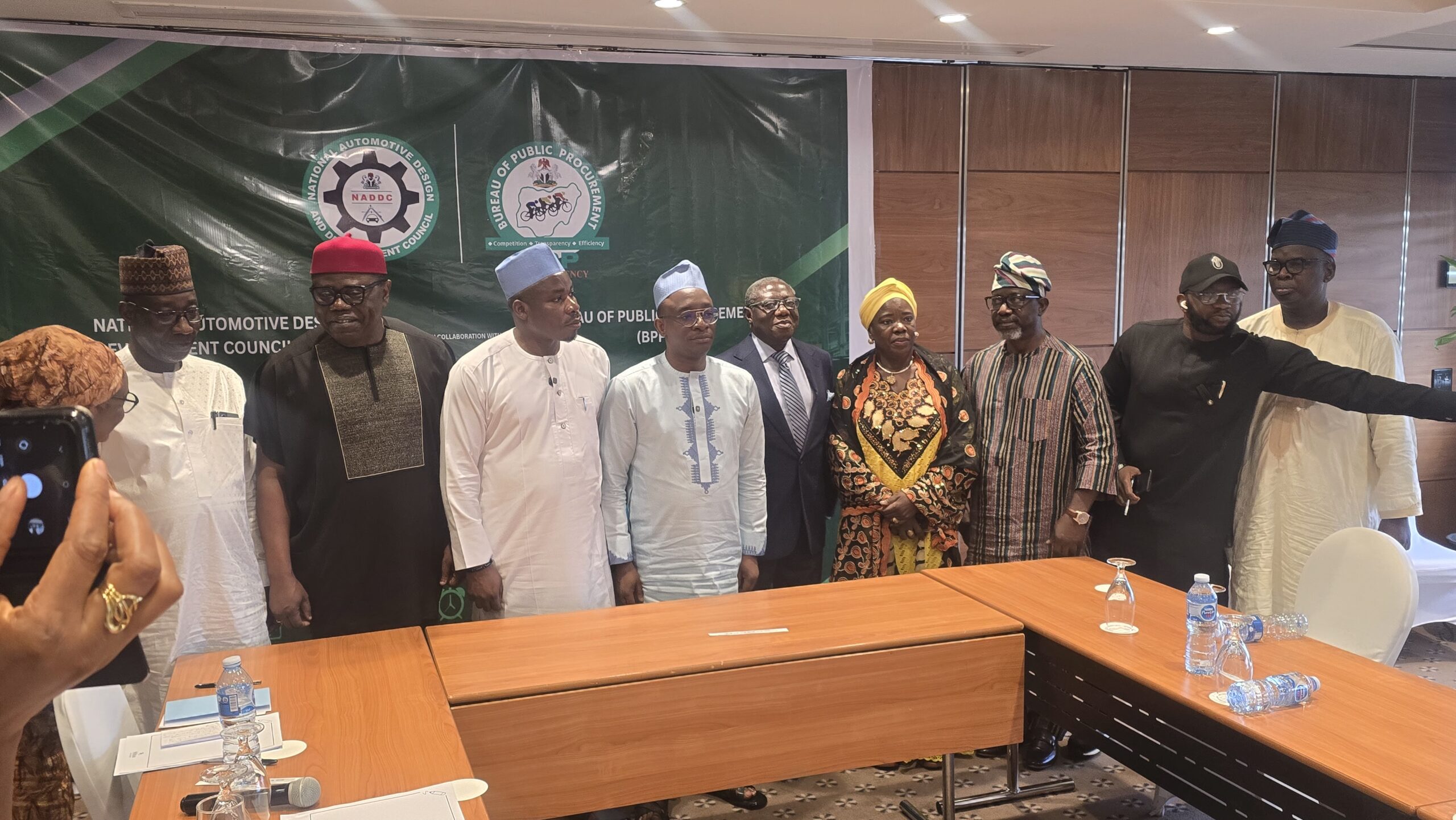
The warning came at a joint press conference by the BPP and the National Automotive Design and Development Council (NADDC) in Abuja, on Friday, on the implementation of the Nigeria First Policy, aimed at boosting domestic vehicle assembly, creating jobs and conserving foreign exchange.
BPP Director-General, Dr. Adebowale Adesanya, said the bureau would not issue a no-objection certificate for vehicle purchases involving manufacturers, importers or suppliers that had not met the technical specifications and requirements established by NADDC.
He said government agencies must obtain the necessary approvals before procuring vehicles, warning that bypassing the process could attract legal consequences.
NADDC Director-General and Chief Executive Officer, Oluwemimo Joseph Osanipin, said the policy was designed to reduce Nigeria’s dependence on foreign-assembled vehicles by using government procurement to stimulate local manufacturing.
Under the framework, he said, MDAs are expected to purchase vehicles from licensed local assemblers or their authorised retailers, insisting that any agency seeking to procure a foreign-assembled vehicle must establish that no suitable domestic alternative exists and obtain presidential clearance.
Osanipin said NADDC would maintain an updated register of compliant assemblers, verifying their production facilities, technical capacity and after-sales service arrangements. “Vehicles supplied to government must also have traceable Vehicle Identification Numbers (VINs), with the council responsible for verification,” he said.
He said Nigeria had an installed vehicle assembly capacity of 370,520 units annually, adding that the government was seeking to progressively increase domestic production towards meeting 70 per cent of the country’s vehicle needs.
Adesanya further said the policy was already producing encouraging results, citing a procurement experience in which a locally assembled vehicle subsequently cost about half the price paid during an earlier purchase. He did not disclose the vehicle model or exact prices.
He argued that increased production volumes and predictable government patronage would encourage investment, lower unit costs and create opportunities for local manufacturers of automotive components.
The BPP chief said the government was also encouraging partnerships between Nigerian firms and established foreign manufacturers to address technical gaps and strengthen domestic capacity.
He disclosed that discussions were ongoing with universities, polytechnics and technical institutions to commercialise automotive research and prototypes.
He cited NADDC’s Campus Shuttle initiative, under which students from 12 universities designed bus prototypes, as part of efforts to connect academic research with industry.
Adesanya also announced plans for a digital platform to help buyers identify local automotive component manufacturers and verify product origins through traceability barcodes.
On enforcement, he said a joint monitoring and evaluation mechanism had been established to track vehicle purchases by government agencies.
He added that anti-corruption agencies, including the Economic and Financial Crimes Commission (EFCC) and the Independent Corrupt Practices and Other Related Offences Commission (ICPC), had sought procurement records to monitor compliance.
He also urged journalists to scrutinise vehicle purchases by MDAs and request relevant approval records from the BPP.
Osanipin assured that NADDC would work with the Standards Organisation of Nigeria (SON) and other technical partners to enforce quality, safety and environmental standards.
Both agencies were optimistic that effective implementation of the policy would strengthen domestic manufacturing, expand employment opportunities and reduce Nigeria’s dependence on imported vehicles.