Follow Us on Google
By Damiete Braide
Lagos has long been recognised as one of the world’s most vibrant cultural capitals, a city where creativity thrives across art, literature, music, film, design and fashion.
From internationally acclaimed artists and writers to groundbreaking filmmakers and musicians, the city continues to shape cultural conversations far beyond Nigeria’s borders. Yet despite its immense creative influence, Lagos has lacked a permanent institution dedicated to preserving, nurturing and advancing the intellectual and cultural life that sustains artistic excellence.
That gap is now being addressed with the opening of Mbari Kola, a first-of-its-kind private members’ arts society and boutique cultural institution located in Ikoyi, Lagos.
Conceived as a multidisciplinary cultural hub, Mbari Kola brings together a gallery, research library, residency programme, foundation, members’ lounge and an extensive range of cultural activities under one roof. More than simply a venue for exhibitions, it is designed as a living institution where ideas, creativity and community intersect.
The launch comes at a time when African art and cultural production are receiving unprecedented global attention. While international interest in African creativity continues to grow, institutions capable of supporting artists, scholars, collectors and cultural practitioners on the continent remain limited. Mbari Kola seeks to fill this need by creating a sustainable ecosystem that supports artistic development, critical dialogue and cultural preservation.
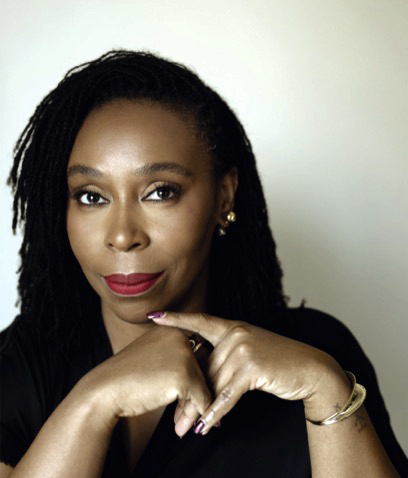
The institution was founded by Ugoma Ebilah, a respected curator, patron, cultural strategist and founder of BLOOM Art. For nearly two decades, Ebilah has worked extensively within the African art ecosystem, supporting artists, advising collectors and institutions, and contributing to the preservation and promotion of Nigerian modern and contemporary art. Through Mbari Kola, she extends that work into a permanent cultural space dedicated to long-term impact.
According to Ebilah, the vision for Mbari Kola has been years in the making. She describes the institution as the culmination of efforts that began in 2016 through exhibitions, artist collaborations and initiatives designed to foster more responsible and meaningful patronage.
She believes that, while Nigeria continues to produce some of the world’s most significant artistic talent, the country has lacked a permanent home for cultural dialogue, education and intellectual exchange.
For Ebilah, Mbari Kola is both a response to that absence and an investment in the future. It is intended to provide a stable platform for exhibitions, learning, gathering and cultural engagement while fostering the kinds of conversations that strengthen creative communities and ensure that cultural heritage remains relevant to future generations.
The institution takes inspiration from the historic Mbari Artists and Writers Clubs established in Ibadan and Oshogbo during the 1960s. Those pioneering post-independence cultural collectives played a transformative role in shaping modern African artistic and literary expression.
Other News
They provided a meeting ground for some of the continent’s most influential creative minds, including celebrated figures such as Wole Soyinka and Chinua Achebe. By adopting the Mbari name, the new institution seeks to honour that legacy while reimagining its spirit for a contemporary audience.
Architecturally, Mbari Kola reflects a careful balance between heritage and innovation. Designed by architect Kelechi Odu, the building draws on principles of Nigerian modernism, domestic architecture and the communal ethos that characterised the original Mbari movement. Every aspect of the design has been intentionally crafted to encourage interaction across artistic disciplines, generations and perspectives.
The interiors embody this philosophy through a thoughtful integration of architecture, art and material history. Original terrazzo flooring has been preserved and extended by local craftsmen who continue to practise the increasingly rare technique.
Throughout the building, artworks by notable artists including Muraina Oyelami, Victor Ehikhamenor, Obi Okigbo, Raji Babatunde Mohammed, Gerald Chukwuma and Norman O’Flynn are displayed alongside inherited and found objects that contribute to the institution’s layered narrative. Furniture designed by renowned Nigerian modernist Demas Nwoko further reinforces the connection between art, design and cultural memory.
The result is a space that feels both intimate and institutional. Rather than imposing the formality often associated with cultural centres, Mbari Kola creates an atmosphere that encourages conversation, contemplation and discovery.
Visitors are welcomed through The Vestibule, a transitional space designed to ease them from the pace and intensity of Lagos into a more reflective environment. From there they move into The Sanctuary, a flexible gallery space capable of hosting exhibitions, performances and experimental artistic presentations.
At the centre of the institution lies The Commons, envisioned as the social and conversational heart of the house. Extending from it is The Terrace, a tranquil outdoor space overlooking the lagoon and surrounded by natural light and greenery. Additional spaces include The Library and Reading Room, dedicated to research, reflection and collaboration, and The Magic Room, which hosts talks, screenings, seminars and multidisciplinary events.
Programming at Mbari Kola has been designed to reflect the diversity of contemporary cultural practice. Activities will include art exhibitions, literary salons, artist presentations, private collection tours, film screenings, music recitals, concerts, workshops, seminars, publications and curated cultural experiences. Artist and member residencies will provide opportunities for deeper engagement, while the institution’s foundation will support areas of the African arts ecosystem requiring greater investment and visibility.
Ultimately, Mbari Kola represents more than a new cultural destination. It is an ambitious effort to build the infrastructure necessary for artistic and intellectual life to flourish in Africa. By combining patronage, scholarship, community and creativity within a single institution, it seeks to create a lasting home for culture in Lagos and a model for cultural stewardship across the continent and the global African diaspora.
————————————