Follow Us on Google

By Rita Okoye
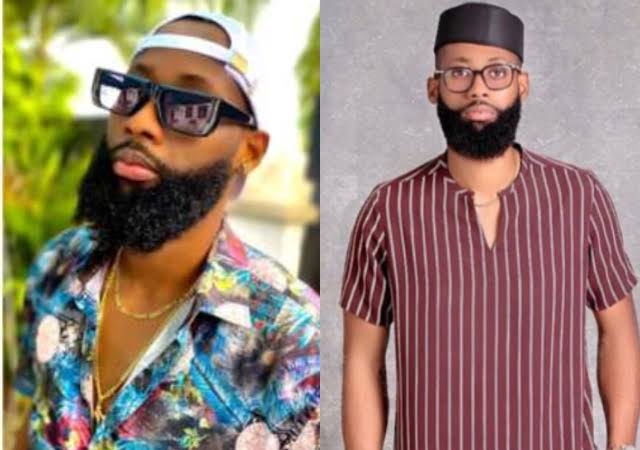
Elijah Anighoro is a multitalented Nigerian actor, screenwriter, model, musician, and entrepreneur. After cutting his teeth as a writer for major television productions, he transitioned to the screen, earning widespread acclaim across numerous Nollywood films and television projects.
In this exclusive interview with Saturday Sun, Anighoro discusses his cross-continental career, industry challenges, high-reaching ambitions, and personal milestones.
Enjoy!
You took a break from the movie scene for a while. What prompted your return?
When I was packing my bags for Heathrow, one thing was on my mind: it’s time for Africa. The UK gave me invaluable experience, relationships and perspective. But I felt the next phase of my growth needed to happen back home. I wanted to apply what I had learned and contribute to where I believe the biggest opportunities for impact exist.
After over a decade in the industry, what feels different about Elijah Anighoro today versus the Elijah fans first met years ago?
I have made mistakes and have grown from them. I have made mistakes in over 10 countries across different industries, and I’m a better, more bankable talent for it all.
Was stepping away from the spotlight a necessary pause for growth, or was it simply life happening?
Yes. It was a necessary step for growth. I have always seen myself as an international talent. I needed to see how other industries operate, understand different systems and build relationships beyond my immediate environment. I was laying the foundation for the next phase of my career, which is helping create stronger connections between Nollywood, African cinema and the global market.
During your break, what did you learn about yourself beyond acting and filmmaking?
I was able to get into other industries: care, paramedics, support work, all kinds of side hustles to keep things moving. It taught me that I’m far more resilient than I thought. When you’re stripped of titles and recognition, you find out who you really are. I learned that I can adapt. I can start over. I can build from scratch if I have to. Those lessons will probably serve me longer than anything I learned on a film set.
Can you mention some of the projects you have done since your return?
I took up roles on Xtremes (Showmax & Showcase), Uriri (AMVCA-nominated series), Grey Night (Biodun Stephen), Contention (Sierra Leone cinema), Mother’s Love (Omotola Jalade), and Halfway to Heaven (Obi Emelonye). I have made several YouTube films, accumulating well over 30 million views thus far across channels like Biodun Stephen TV, Nollyfamily TV, Uduak Isong TV, and a host of others.
What role has challenged you the most as a versatile actor?
I think Halfway to Heaven would be that movie. I played Tega, a man who risked it all for love. It’s a hybrid film still in production, and, well, if you know Obi Emelonye, you’ll know it will be a spectacle.
Can you mention the top movie producers you look forward to working with?
Obi Emelonye was at the top of that list, and thankfully, that wish has already been fulfilled. But I want more. Uchenna Mbunabo is another filmmaker I have a lot of respect for. We’ve worked together before, but not since my return to Nigeria. I would also love to work with people like Omoni Oboli, Kemi Adetiba, Jade Osiberu and James Omokwe. They all approach storytelling differently and continue to push the industry forward in their own ways. For me, it’s never really about names. It’s about stories. If the script is strong and the vision is clear, I’m interested.
Your career has successfully crossed into British mainstream media—how intentional was that international move?
Very intentional; I wanted to understand how another major film industry operated and build a foundation there before bringing those lessons home. During that time, I secured management representation in the UK, trained at Identity School of Acting, worked on projects connected to Warner Bros, and shared casting spaces with professionals who work with talents such as Idris Elba, John Boyega and David Oyelowo.
I also worked on major commercial campaigns for brands such as EE, Viden,dum, and London Dungeon. More importantly, I built relationships and gained perspective that continue to shape my vision today.
What was the biggest culture shift transitioning from Nollywood into the UK entertainment space?
The biggest culture shift was the level of structure around the business side of filmmaking. In the UK, there is a strong emphasis on systems, processes, long-term career planning and industry infrastructure. From casting to representation and production pipelines, some layers help talent build sustainable careers.
Nollywood, on the other hand, impressed me with its speed, adaptability and resilience. The industry has a unique ability to create stories and get them to audiences despite challenges that would slow down many other film industries.
Experiencing both worlds helped me appreciate the strengths of each. The UK strengthened my understanding of structure and global standards, while Nollywood reminded me of the power of creativity, resourcefulness and storytelling. My goal now is to bring lessons from both industries together and help build stronger bridges between African cinema and the global market.
Coming back after a break can put pressure. Did you feel the need to prove anything to yourself or the industry?
Well, there is pressure, and I have learnt to breathe easily through it. I had to relearn Nollywood when I came back. I came back to a new industry. It was like starting all over again. It still feels that way sometimes, especially because I’m seeing the industry through a different lens, which makes me a rare talent still unfolding.
What kinds of roles excite you at this stage of your career that maybe didn’t interest you years back?
Roles with real depth; unfortunately, I haven’t come across such scripts yet. That is changing gradually. Hopefully, I get the privilege of more challenging roles with fully developed character dynamics, rather than the lover-boy and playboy stereotypes. Not that they’re bad roles, but I would appreciate more depth to those characters.
Nollywood has evolved rapidly in recent years. What stood out to you when you returned?
YouTube. I was not prepared for that. It totally dazed me. When I left, it wasn’t operating at the scale it is today. Coming back and seeing the volume of content, the audiences, the opportunities and the careers being built through YouTube was incredible. It reminded me that Nollywood always finds a way to evolve. That’s one of the industry’s greatest strengths.
Do you feel audiences will see a different side of Elijah in your upcoming projects?
Absolutely. I’m learning every day, on every job, and I think I’ve really opened up to the industry. I’m expecting more deep scripts, and that means more dynamic performances.
You’ve built a career across Africa and Britain. Where do you feel most creatively challenged?
Honestly, both industries challenge me creatively. The realities are different, but overcoming those challenges has made me a more grounded talent with greater versatility.
Has international recognition changed the opportunities coming your way back home in Nigeria?
Yes, it has. The conversations are different now. People are more curious about the experiences I’ve had and the perspective I bring from working across different markets. It is still unfolding, but I think producers are beginning to understand that I bring more than performance. I bring a broader understanding of storytelling, audience engagement, and the business side of the industry.
What kept your passion alive while you were away from the movie scene?
I wasn’t away from the movie scene, per se. I was still active in the UK industry and the BAFTA space, while also working across other sectors and building a life outside of film. The goal never changed. The vision never changed. Whether I was on a film set, working in care or support work, or pursuing other opportunities, I knew exactly where I was headed.
Everything I experienced added something to me. The man feeds the artist. The challenges, the wins, the mistakes, the people I met, and the industries I worked in all expanded my perspective.
So I don’t see it as time away. I see it as a period of growth. I was still learning the craft, still building relationships, still developing my career. I was gathering more life experience to bring back into the work and into the next phase of my journey.
Now that Elijah Ogann Anighoro is back, what should fans and the industry expect from this next chapter?
I came back to contribute to developing the industry, and, apart from bringing depth to every role and versatility to every scene, I’m working to affect how we do things literally.
I can’t say much about it yet, but it’s bigger than a role, bigger than a project. It’s something I hope will leave a lasting impact on how we tell stories and develop talent. It is more of infrastructure.
Do you see yourself marrying someone from your industry; what’s your kind of woman by the way?
There are a lot of beautiful women in the industry – from actors to producers and even crew – so you never know. But honestly, I would rather be with someone who isn’t as busy as I am. Someone in a different industry would be ideal. The fans are not left out, though. Wherever love finds me, I would be thankful. I love me an African queen.