Follow Us on Google
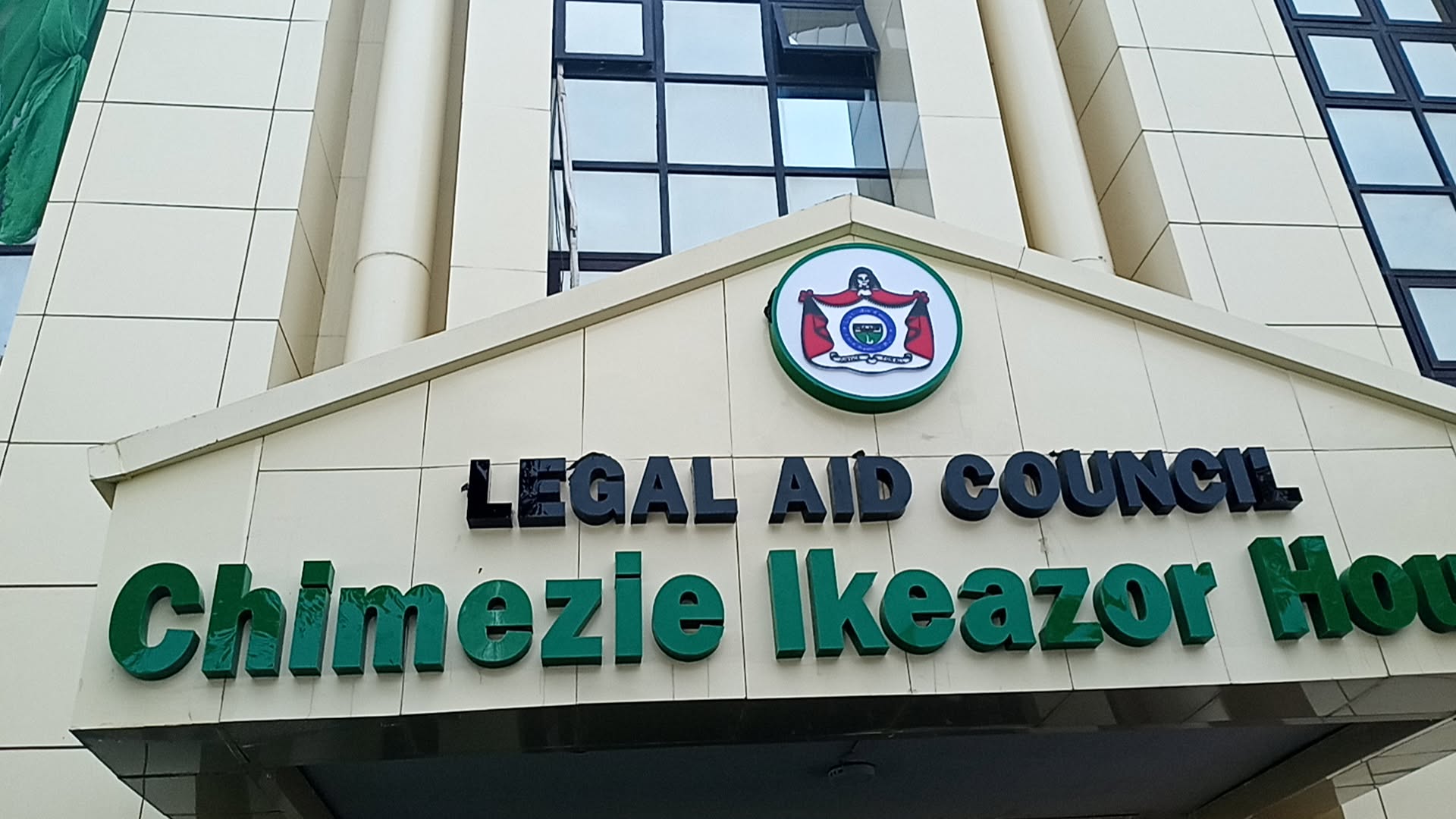
The Federal Government on Wednesday inaugurated a new Governing Board for the Legal Aid Council of Nigeria, with the Attorney General of the Federation and Minister of Justice, Prince Lateef Fagbemi, SAN, charging the board to deepen access to justice for poor and indigent Nigerians.
Fagbemi, speaking at the inauguration in Abuja, described the exercise as central to the administration’s legal and judicial reform agenda, saying it was designed to make the justice system “more efficient, transparent, accountable, and fundamentally people-centered.”
He traced the origins of organised legal aid in Nigeria to 1974, when the late Chief Chimezie Ikeazor, SAN, founded the Nigerian Legal Aid Association to defend indigent citizens using his personal resources—a movement that culminated in the Legal Aid Decree of 1976 and the Legal Aid Act 2011, which today governs the Council’s operations.
The AGF noted that the board, constituted under Section 2 of the Act, reflects broad representation from the Ministry of Justice, the Nigerian Bar Association, the judiciary, security agencies, labour, civil society and the media, and is chaired by retired Chief Judge of Kwara State, Justice Sulyman Kawu.
Other News
Fagbemi charged the board to strengthen operational schemes such as the Police Duty Solicitors Scheme and the Court Duty Solicitors Scheme to help decongest correctional facilities and clear court backlogs. He also cautioned members to restrict themselves to policy oversight rather than the day-to-day administration of the Council, in line with Section 3 of the Act.
Responding, Justice Kawu disclosed plans to extend legal aid services beyond the Council’s six zonal and 36 state offices to all 774 local government areas, including development areas. He described rural communities, where lower courts predominate and many suspects languish in police cells without legal representation, as a priority.
He appealed to journalists to help expose cases of unrepresented detainees and called on the federal and state governments to increase funding for legal aid, acknowledging that “paucity of funds” remains a persistent challenge, alongside efforts to expand pro bono partnerships with lawyers.