Follow Us on Google
From Abel Leonard, Lafia
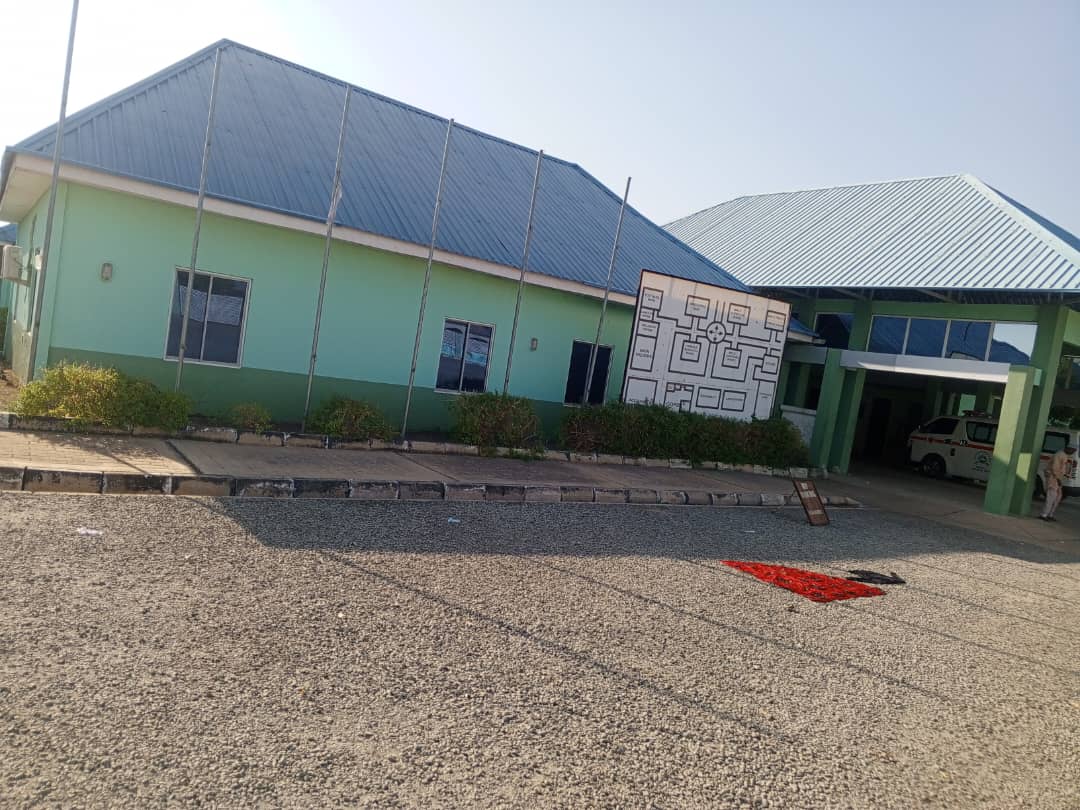
Nestled within the Kwandere Development Area under Lafia Local Government of Nasarawa state, the Primary Health Care Facility stands as a beacon of healthcare provision, catering to the needs of over 2 million individuals.
In an exclusive interview with Dr. Idi Mohammed Adamu, the Acting Medical Director overseeing this pivotal institution, delving into the challenges, triumphs, and aspirations driving the facility’s journey towards enhanced healthcare delivery.
Dr. Idi Mohammed Adamu, with just 8 months at the helm, offers a compelling insight into the remarkable dedication and resilience exhibited by the medical staff in ensuring optimal healthcare services.
Despite laudable efforts, the facility grapples with manpower shortages, prompting innovative solutions to bolster its workforce and expand its infrastructure.
Adamu sheds light on the facility’s accomplishments, the ongoing quest to secure adequate manpower, strategies for improvement, and the collaborative efforts essential in shaping a future where quality healthcare remains a cornerstone of the Kwandere community.
Q: Could you share some insights into the current state of the primary health care facility in Kwandere under Lafia Local Government Area?
Ans: Certainly. In the 8 months I’ve been here, we’ve seen an overwhelming enrollment of over 2 million individuals at the primary health care facility, which is a testament to its importance in the Kwandere Development Area.
Q: That’s impressive. How would you describe the efforts of the medical staff in ensuring quality healthcare delivery?
Ans: Our nurses and doctors have been doing commendable work in ensuring better healthcare delivery despite facing challenges, particularly in terms of manpower shortages. We’ve even applied for fresh graduate doctors through the Corps members program to support our efforts. Casual staff stipend has been increased from #15,000 to #20,000, under my stewardship.
Also with the help of the executive chairman Nassarawa state primary health care development agency (NAPHDA) Dr . Mohammed Usman Adis, and his management team 15 of our casual staff have secured permanent appointment with the state government with a promise of more to be absolved within the coming months.
Q: Speaking of challenges, could you elaborate on the main challenges faced by the facility?
Ans: The primary challenge we’re facing is the shortage of manpower as I mentioned earlier, particularly doctors and nurses. While we’ve been able to absorb some casual workers, the facility is largely dependent on generated revenue to support these workers.
Q: That sounds challenging indeed. Could you tell us about the infrastructure and future plans for the facility?
Ans: Currently, our facility boasts over 50 bed spaces, and our aim is to expand it to accommodate up to 500 beds, However, our immediate focus is on bolstering manpower to ensure the effective functioning of these facilities.
Some laudable repairs and renovation has also taken place under my leadership, facility wise we are managing and maintaining it.
Q: what is your vision or goal before leaving this position?
Dr. Idi Mohammed Adamu: My primary objective before leaving this role is to establish a facility equipped with adequate manpower, especially more doctors, to ensure sustained quality healthcare delivery for the community.
Q: you mentioned the reliance on generated revenue to support casual workers. Could you elaborate on how the facility manages its financial resources?
Ans: Absolutely. The facility operates on a model where the revenue generated from services provided is utilized to cover the wages of casual workers. While we strive to improve efficiency in revenue collection, our financial resources remain a significant challenge in maintaining and expanding our workforce.
Q: In your efforts to attract more medical professionals, what strategies are being considered to address the shortage of doctors and nurses?
Ans: We’re exploring various avenues, including partnerships with medical institutions, recruitment drives, and outreach programs to attract more doctors and nurses to join our team. Additionally, we’re advocating for increased support from relevant authorities to address this crucial manpower deficit.
Q: With the envisioned expansion of the facility to accommodate 500 beds, are there plans in place to ensure the quality and accessibility of healthcare services?
Ans:. Alongside the expansion plans, we’re prioritizing the implementation of robust quality control measures and community outreach programs. We aim to ensure that as the facility grows, the standard of care and accessibility to healthcare services for the community remain top-notch.
Q: How can the community and external stakeholders contribute or support the development of the primary health care facility in Kwandere?
Ans: Community involvement and support are integral to our success. We welcome collaboration with the community, stakeholders, and potential partners in various capacities, be it through awareness campaigns, resource mobilization, or even advocating for policy changes that positively impact healthcare delivery in our area.
Q: Dr., considering the goal of leaving a facility with adequate manpower and enhanced medical services, what support or resources are required to achieve this objective?
Ans: To achieve our goal, we need continued support in terms of increased funding allocation for healthcare, especially for recruiting and retaining qualified medical professionals. Additionally, access to training programs and modern medical equipment will significantly contribute to improving our healthcare services.
Q: Could you share any success stories or impactful initiatives implemented during your tenure that have positively influenced healthcare delivery?
And: One notable initiative has been the saving of lives of pregnant women and their babies with highly preventive healthcare measures, which have seen increased numbers of pregnant women enrolling in the facility. These efforts have resulted in a noticeable decline in certain preventable illnesses within our catchment area.
Q: That’s commendable. As you aim to enhance the facility’s services, are there plans to introduce specialized medical services or programs?
And: Absolutely. We’re exploring avenues to introduce specialized medical services like maternal care, pediatric care, and chronic disease management. These specialized programs will cater to the specific healthcare needs of different demographics within the community.
Q: Finally, Dr. Adamu, what message would you like to convey to the community and stakeholders regarding the future of the primary health care facility in Kwandere?
Ans: I’d like to reassure the community and stakeholders of our unwavering commitment to providing quality healthcare services. Together, with their continued support and collaboration, we will overcome challenges and create a sustainable, robust healthcare system that meets the needs of everyone in Kwandere and its surrounding areas.