Follow Us on Google
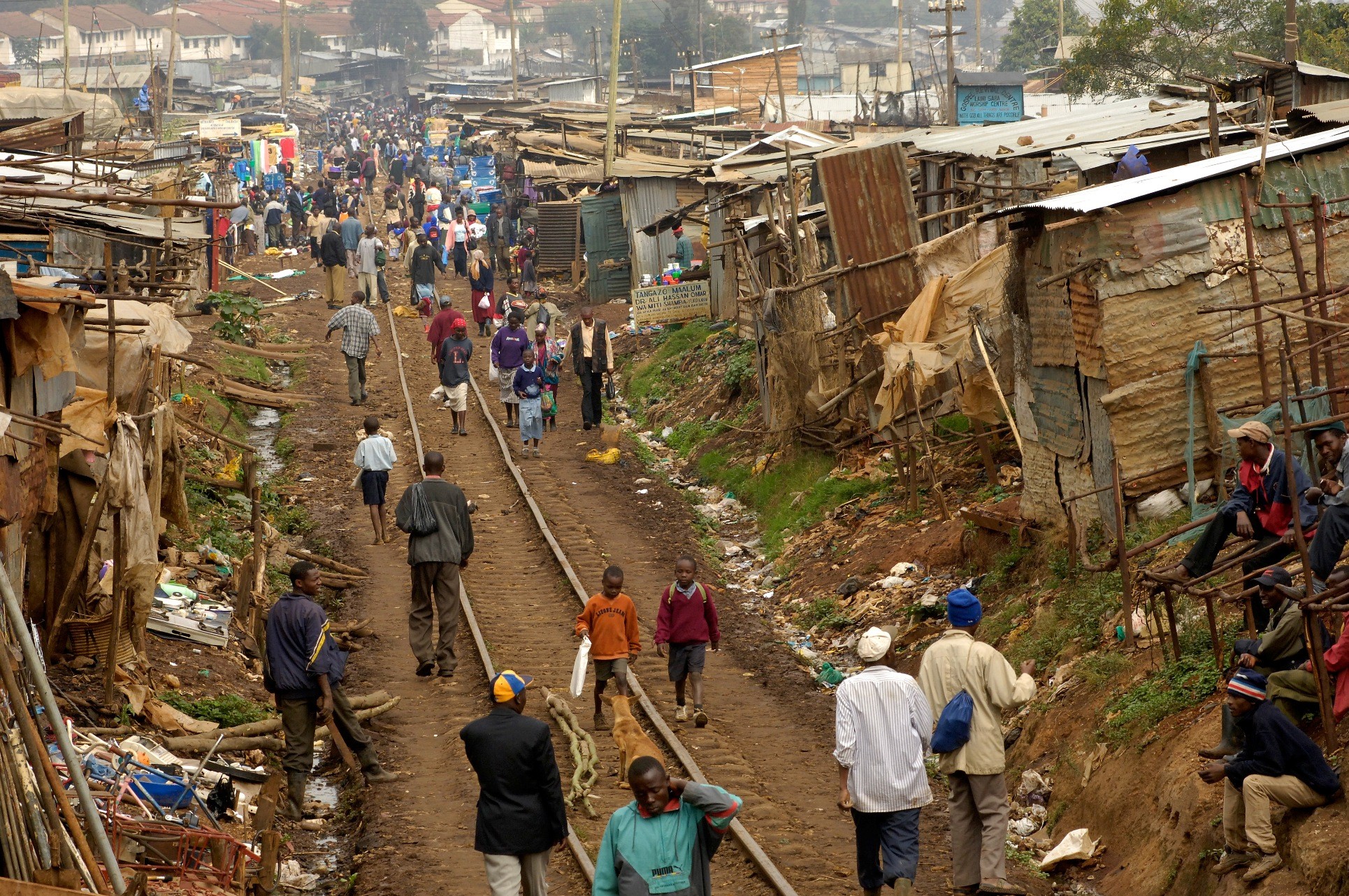
The latest 2026 projections from the International Monetary Fund (IMF) show a wide gap in economic output among the world’s poorest economies.
The ranking uses GDP per capita at purchasing power parity (PPP), which adjusts economic output for differences in the cost of goods and services between countries.
The figures are arranged below from poorest to less poor, based on projected GDP-PPP per capita.
Nigeria, with a projected figure of $9,994, ranks 59th from the bottom among the 202 economies in the dataset.
See the full list below:
1. Burundi — $1,031
Burundi is projected to have the lowest GDP-PPP per capita among the 60 countries, at $1,031.
Agriculture dominates its economy, while low productivity, limited industrialisation and infrastructure constraints continue to hinder development.
2. Central African Republic — $1,468
The Central African Republic has substantial natural resources, including gold, diamonds and timber.
However, conflict, political instability, weak infrastructure and limited state capacity have kept economic output extremely low.
3. South Sudan — $1,540
South Sudan relies heavily on oil revenues despite its agricultural potential.
Conflict, displacement, inadequate infrastructure and political instability have severely constrained economic development.
4. Yemen — $1,596
Years of conflict have devastated Yemen’s economy, damaging infrastructure and disrupting production, trade and public services.
The country continues to face severe humanitarian and economic challenges.
5. Mozambique — $1,699
Mozambique has significant natural gas, coal and mineral resources, but widespread poverty persists. Insecurity, climate-related disasters and infrastructure deficits have limited the broader benefits of its natural wealth.
6. Malawi — $1,797
Agriculture is central to Malawi’s economy and provides livelihoods for a large proportion of its population.
Low productivity, climate shocks and limited industrialisation continue to affect economic growth.
7. Somalia — $1,956
Somalia’s economy depends on livestock, agriculture, telecommunications, trade and remittances.
Decades of conflict and insecurity have severely limited the growth of the formal economy.
8. Liberia — $2,095
Liberia’s economy is based largely on agriculture, mining, forestry and services.
Despite its natural resources, infrastructure shortages and widespread poverty remain significant challenges.
9. Madagascar — $2,106
Madagascar relies on agriculture, mining, tourism and exports such as vanilla.
Poverty remains widespread, while cyclones and other climate shocks frequently affect livelihoods and infrastructure.
10. Democratic Republic of the Congo — $2,144
The DRC possesses enormous deposits of cobalt, copper, gold and other minerals.
Conflict, weak infrastructure and institutional challenges have prevented much of the country’s mineral wealth from translating into higher living standards.
11. Niger — $2,232
Niger has significant uranium, oil and other mineral resources, but remains heavily affected by poverty, insecurity, drought and rapid population growth.
12. Afghanistan — $2,304
Agriculture and informal economic activity remain important in Afghanistan. Political instability, international isolation and prolonged conflict have severely constrained investment and economic development.
13. Sudan — $2,451
Sudan’s economy has been severely disrupted by conflict. Agriculture, livestock and natural resources remain important, but fighting has damaged production, trade and public services.
14. Solomon Islands — $2,694
The Solomon Islands depends on agriculture, fishing, forestry and services. Its dispersed geography and limited infrastructure create significant obstacles to economic development.
15. Haiti — $2,993
Haiti remains the poorest country in the Caribbean. Political instability, natural disasters, weak institutions and inadequate infrastructure have continued to undermine economic growth.
16. Burkina Faso — $3,227
Burkina Faso depends heavily on agriculture and gold mining. However, insecurity, displacement and climate pressures have disrupted economic activity and livelihoods.
17. Lesotho — $3,301
Lesotho’s economy is supported by manufacturing, agriculture, remittances, water resources and customs revenue. Poverty and unemployment remain major challenges.
18. Chad — $3,458
Chad relies heavily on oil, while agriculture supports much of the population.
Conflict, drought, limited infrastructure and dependence on commodities continue to restrict economic development.
19. Guinea-Bissau — $3,495
Guinea-Bissau’s economy depends heavily on agriculture, particularly cashew production.
Political instability and limited infrastructure have hindered economic diversification.
20. Mali — $3,665
Mali’s economy is driven largely by agriculture and gold mining. Security challenges, political instability and climate pressures continue to affect economic development.
21. Togo — $3,757
Togo’s economy depends on agriculture, phosphate mining, trade and services. Its port also plays an important role in regional commerce.
22. Gambia — $3,865
The Gambia has a small economy centred on agriculture, tourism, trade and remittances. Its narrow economic base leaves it vulnerable to external shocks.
23. Sierra Leone — $3,909
Sierra Leone relies on mining, agriculture, fishing and services. The country has significant mineral resources but continues to face widespread poverty and infrastructure deficits.
24. Kiribati — $3,921
Kiribati depends on fishing, remittances, foreign assistance and government revenue. Its low-lying geography also makes it particularly vulnerable to climate change.
25. Papua New Guinea — $3,986
Papua New Guinea has substantial natural gas, gold and copper resources. Unfortunately, poor infrastructure, geographical isolation and limited access to services constrain broader economic development.
26. Vanuatu — $4,100
Vanuatu’s economy relies on tourism, agriculture, fishing and services. The country is also highly exposed to cyclones, earthquakes and other natural disasters.
27. State of Palestine — $4,125
The Palestinian economy faces severe structural constraints linked to political instability, restricted movement, limited access to resources and prolonged conflict.
28. Uganda — $4,192
Uganda has an agriculture-based economy, with services, manufacturing and emerging oil production also contributing.
Rapid population growth remains a major challenge to improving per-capita incomes.
29. Comoros — $4,223
Comoros relies on agriculture, fishing, remittances and services. Its small domestic market and geographical isolation limit opportunities for economic diversification.
30. Rwanda — $4,524
Rwanda has recorded strong growth in services, tourism, agriculture and investment. Nevertheless, its GDP-PPP per capita remains relatively low compared with more developed economies.
31. Zambia — $4,573
Zambia’s economy is strongly dependent on copper mining, making it vulnerable to changes in global commodity prices. Agriculture and services are also important sources of employment.
32. Tanzania — $4,607
Tanzania has a relatively diverse economy supported by agriculture, mining, tourism, manufacturing and services. Gold and tourism are important sources of foreign exchange.
33. Syria — $4,650
Years of conflict have severely damaged Syria’s infrastructure and productive capacity. Agriculture, trade and limited industrial activity remain important parts of its economy.
34. Ethiopia — $4,974
Ethiopia has one of Africa’s largest populations and a predominantly agricultural economy.
Manufacturing, construction and services have expanded, although conflict, drought and foreign-exchange shortages remain challenges.
35. Micronesia — $5,052
The Federated States of Micronesia relies heavily on government expenditure, foreign assistance, fisheries and services.
Its small and geographically dispersed population limits economic diversification.
36. Benin — $5,088
Benin’s economy is driven by agriculture, trade and services, with cotton playing an important role. The Port of Cotonou is also a major regional commercial hub.
37. Guinea — $5,177
Guinea possesses major mineral resources, particularly bauxite. However, limited infrastructure, political challenges and widespread poverty have constrained the broader economic benefits of its resources.
38. Timor-Leste — $5,270
Timor-Leste remains heavily dependent on petroleum revenues but is seeking to develop agriculture, tourism and other non-oil industries.
39. Myanmar — $5,315
Myanmar has substantial natural resources and an economy historically based on agriculture, manufacturing, mining and trade. Political instability and conflict have severely disrupted economic activity.
40. Senegal — $5,565
Senegal has a diversified economy involving agriculture, fishing, tourism, services and emerging oil and gas production. Poverty and unemployment nevertheless remain concerns.
41. Cameroon — $5,994
Cameroon’s economy includes agriculture, oil, forestry, mining and services. Infrastructure deficits and insecurity in some regions continue to affect economic development.
42. Tuvalu — $6,447
Tuvalu is one of the world’s smallest economies and relies on government revenue, remittances, fishing and international assistance. Its geographic isolation creates significant economic challenges.
43. Nepal — $6,551
Nepal depends on agriculture, tourism, services and remittances. Its mountainous geography and infrastructure limitations have historically constrained industrial development.
44. Tajikistan — $6,616
Tajikistan’s economy is supported by agriculture, mining, aluminium production and remittances. Money sent home by citizens working abroad is particularly important to household incomes.
45. São Tomé and Príncipe — $6,712
São Tomé and Príncipe has a small economy based on agriculture, tourism and services. Its geographic isolation and limited domestic market constrain economic opportunities.
46. Republic of the Congo — $6,712
The Republic of the Congo relies heavily on oil exports. Limited economic diversification and infrastructure challenges have restricted the wider distribution of petroleum wealth.
47. Pakistan — $7,014
Pakistan has a large and diversified economy covering agriculture, manufacturing and services. Inflation, debt, energy shortages and fiscal pressures have affected economic performance.
48. Kenya — $8,020
Kenya is one of East Africa’s largest economies, with important agriculture, tourism, financial services, technology and telecommunications sectors. Inequality and unemployment remain challenges.
49. Honduras — $8,223
Honduras relies on agriculture, manufacturing, remittances and services. Poverty, inequality, crime and limited employment opportunities continue to affect living standards.
50. Zimbabwe — $8,443
Zimbabwe has significant mineral and agricultural resources, including gold, platinum and tobacco. Economic instability, currency challenges and unemployment have nevertheless constrained living standards.
51. Tonga — $8,488
Tonga’s economy depends on agriculture, tourism, services and remittances. Its small domestic market and exposure to natural disasters create significant vulnerabilities.
52. Marshall Islands — $8,504
The Marshall Islands relies heavily on government expenditure, foreign assistance, fisheries and services. Its remote location limits opportunities for economic diversification.
53. Côte d’Ivoire — $8,672
Côte d’Ivoire is a major West African economy and one of the world’s largest cocoa producers. Agriculture, manufacturing, mining and services all contribute to its economy.
54. Cambodia — $8,890
Cambodia has experienced significant economic expansion through manufacturing, garments, construction, tourism and agriculture. However, its per-capita output remains relatively low.
55. Samoa — $8,894
Samoa’s economy is supported by tourism, agriculture, remittances and services. Its geographical isolation and vulnerability to natural disasters remain important economic concerns.
56. Ghana — $9,116
Ghana has a relatively diversified economy supported by gold, cocoa, oil, agriculture and services. The country has also faced inflation, debt and currency pressures in recent years.
57. Mauritania — $9,280
Mauritania’s economy depends heavily on iron ore, gold, fishing and other natural resources. Diversifying beyond mining remains an important economic challenge.
58. Venezuela — $9,461
Venezuela possesses enormous oil reserves, but prolonged economic and political crises have significantly reduced production and living standards.
59. Nigeria — $9,994
Nigeria is Africa’s most populous country and has a large economy dominated by services, oil and gas, agriculture and trade.
Despite its considerable natural and human resources, poverty, inflation, unemployment, insecurity and low productivity remain major challenges.
Its projected GDP-PPP per capita of $9,994 places it 59th from the bottom of the 2026 ranking.
60. Kyrgyzstan — $10,024
Kyrgyzstan has the highest GDP-PPP per capita among the 60 countries, at $10,024.
Its economy relies on services, agriculture, mining and remittances, with citizens working abroad providing an important source of household income.
The above list should not be interpreted as a definitive ranking of poverty.
GDP-PPP per capita measures average economic output after adjusting for differences in purchasing power; it does not show how wealth is distributed or how much money the average citizen actually takes home.
The ranking nevertheless provides a useful snapshot of the relative economic capacity of countries.
Sub-Saharan Africa dominates the bottom of the table, with countries such as Burundi, the Central African Republic, South Sudan, Mozambique, Malawi and Somalia recording some of the lowest projected figures.