Follow Us on Google
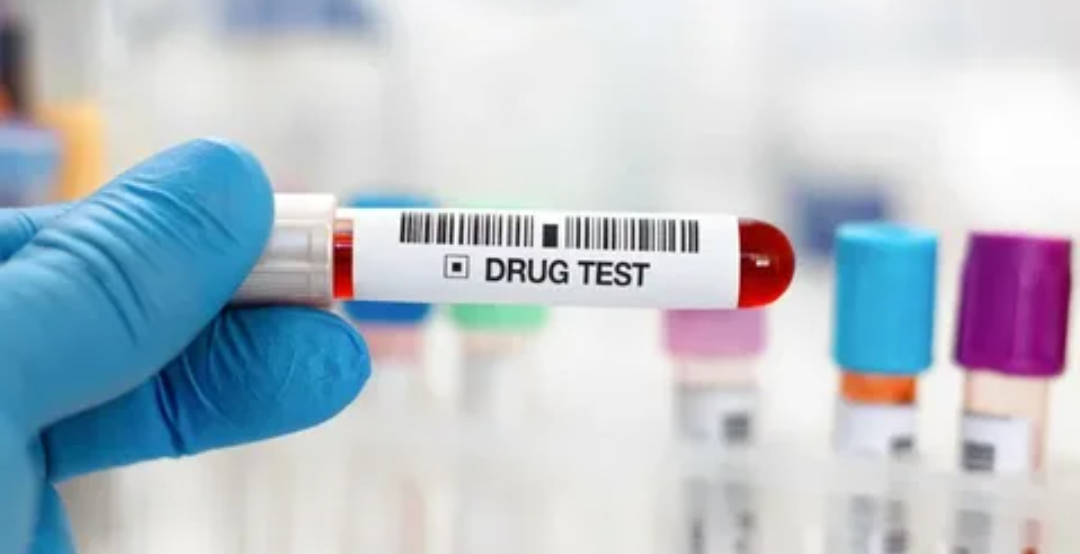
in a bold move to combat drug and substance abuse among youths and cultivate a healthy and efficient workforce, the Federal Government has introduced mandatory drug test for fresh applicants into the federal public service. The mandatory drug testing is for all applicants seeking employment in the federal public service. The policy is in line with other anti-drug measures implemented by the government such as the mandatory drug test for Nigeria Customs Service recruits and officers and the proposed drug testing for new students into Nigeria’s tertiary institutions.
Consequently, permanent secretaries and heads of ministries, Departments and Agencies (MDAs), as well as extra-ministerial departments and parastatals have been directed to incorporate drug testing into their recruitment procedures. At the same time, the MDAs are required to partner with the National Drug Law Enforcement Agency (NDLEA) to conduct the tests in accordance with established standards. As explained by the government, the policy is informed by the impact of substance abuse on public health, socio-economic progress, productivity and national security.
The new drug test policy is a laudable intervention to curb drug and substance abuse among the youths. However, it should not be limited to certain sections of the society. If the government is serious about the war against drug and substance abuse, the dope test policy should be inclusive and extended to those seeking for political offices. Considering the impact of drug abuse in the society, we urge the permanent secretaries and heads of MDAs and others in charge of the drug testing for new civil servants to approach the task with utmost sense of responsibility and patriotism.
We also commend the leadership of the NDLEA for spearheading the ongoing crusade to rid the country of drug and substance abuse. However, the federal government should not overlook other drivers of drug abuse such as poverty, unemployment, and a lack of access to resources. No doubt, so many Nigerian youths take drugs to manage frustration and idleness. There is a strong link between unemployment and drug abuse. We also believe that good governance can go a long way in addressing drug abuse challenge in the country. Creation of more jobs for the youths will keep them away from substance abuse.
Recent data from the United Nations Office on Drugs and Crime (UNODC) and the World Health Organization (WHO) revealed that an estimated 316 million people worldwide used illicit drugs in 2023. This represents an increase of over 20 per cent since 2013, outpacing global population growth. Based on 2023 data, approximately 316 million people aged 15-64 used drugs globally. An estimated 64 million people worldwide suffer from drug use disorders, but only about one in 12 received treatment in 2023.
In 2021, nearly half a million deaths were drug-related, with opioids being the primary cause of fatal overdoses. Globally, about 14.8 million people inject drugs, facing risks like contracting HIV and hepatitis C. Records show that cannabis remains the most widely used drug, with an estimated 244 million users in 2023. Similarly, opioids caused the most drug-related deaths and had about 61 million users. Amphetamines were used by an estimated 30.7 million people, while cocaine, with 25 million users, has the fastest growing market. Ecstacy was used by about 21 million people.
Available statistics also show that Nigeria is currently facing a significant drug abuse crisis, with an estimated 14.4 per cent of the population aged 15-64 (approximately 14.3 million people) using psychoactive substances for non-medical purposes. The most commonly used drugs in Nigeria are cannabis, opioids and cough syrups. An estimated 10.8 per cent of the population (10.6 million people) used cannabis in the past year. In the same vein, the non-medical use of pharmaceutical opioids (such as tramadol, codeine, or morphine) affects an estimated 4.7 per cent of the population (4.6million people). Also, the misuse of cough syrups containing codeine and dextromethorphan is prevalent, particularly among young people.
We equally agree with the Chairman of the NDLEA, Brig. Gen. Mohammed Buba Marwa, on the urgent need for a multi-pronged approach to anti-drug war, combining aggressive enforcement, asset forfeiture, and a strong focus on prevention, treatment and rehabilitation. We task Marwa to deal ruthlessly with drug barons. Good enough, the NDLEA boss promised that his second term would be “hell and bleak” for drug cartels. We also believe that ridding Nigeria of drug abuse is a shared responsibility. Therefore, all stakeholders, including government sectors, traditional and religious leaders, women’s groups, schools and the general public should be involved in the War Against Drug Abuse (WADA) social advocacy initiative.