Follow Us on Google
From Timothy Olanrewaju, Maiduguri
The rains are back in full force, with all the regular challenges of the season: stagnant water in exposed containers of all kinds, puddles and blocked drainages across many cities, towns and communities.
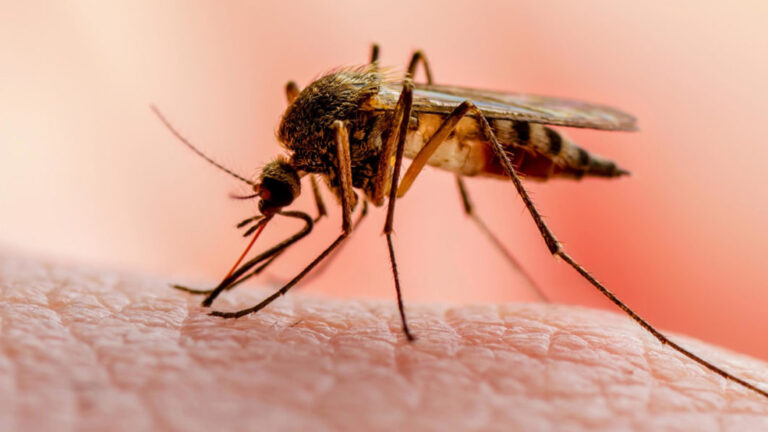
For mosquitoes, the rainy season provides the perfect period for breeding as stagnant water dots the landscape, ready to welcome female mosquitoes to lay eggs, in continuation of the lifecycle of the pesky insects that besiege people.

Staying outside the home in the evening hours in any part of northern Nigeria, especially Borno and Yobe states, during this season is an invitation to be liberally bitten by mosquitoes, the vector that transmits plasmodium, the parasite that causes malaria in human beings.
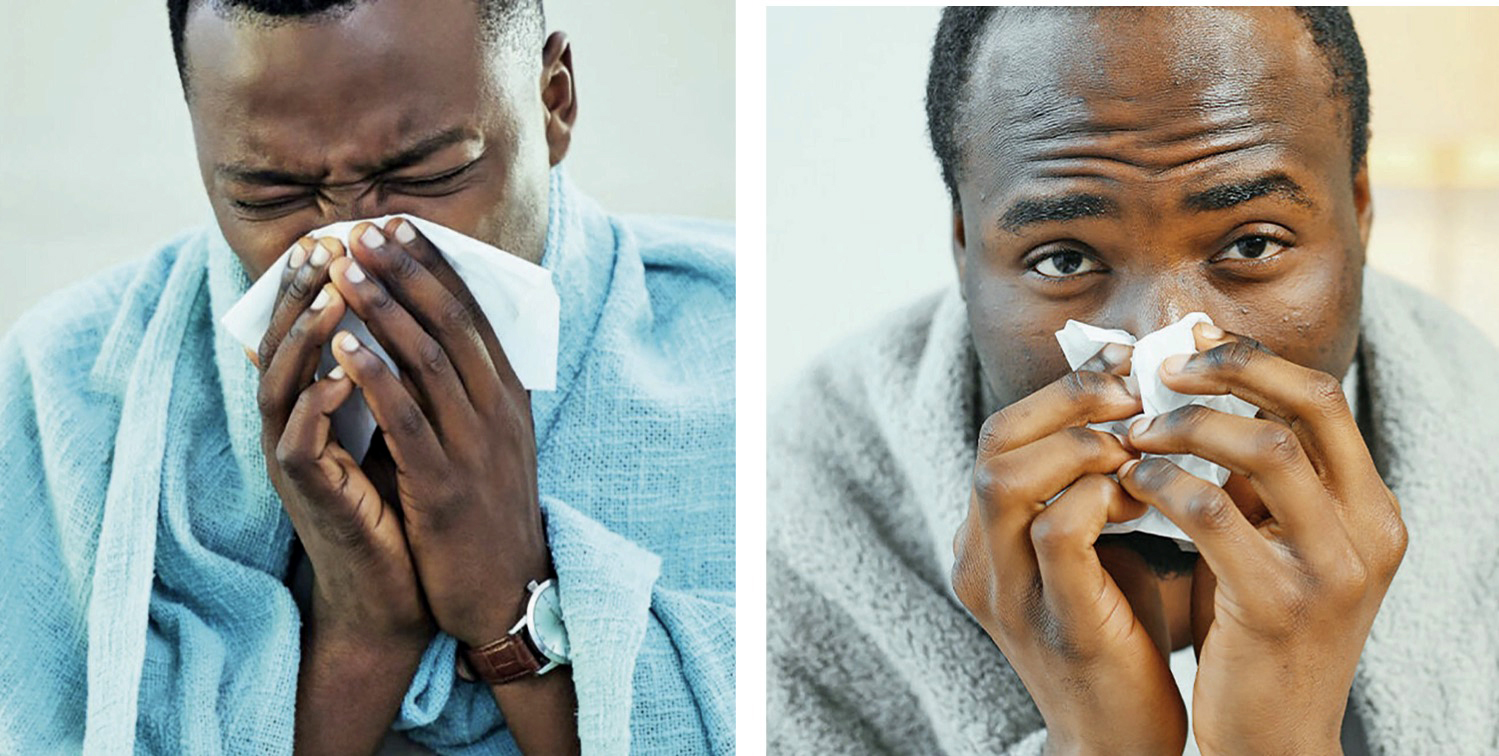
Most families fear malaria. No one wishes to go through the pain, headache, fever, body weakness or sometimes, vomiting and other discomforting symptoms of the parasitic disease. Besides, it drains resources for medical laboratory tests and treatment in hospitals.
With floodwater creating more breeding sites, public health experts are pushing households to take two steps immediately: sleep under insecticide-treated nets (ITNs) and clear drainages in neighborhoods, empty containers, and cut grasses around homes to destroy mosquito breeding sites. These actions are vital to the effort to roll back malaria and thereby reduce the disease burden associated with the scourge that has plagued the world and particularly the tropics for centuries.
I lost my child
They say malaria is deadly and has killed many. One of the victims of malaria scourge was three-year-old Ali Musa. He passed away a day after he was admitted at a public hospital in Damaturu, the Yobe State capital, a few years ago.
Ali’s mother, Hafsat Musa, 32, narrated in a recent interview how her son died. She said the boy had developed fever and body weakness on a day it rained. She thought her son was merely reacting to the cold weather. She gave him a warm herbal concoction to drink and rubbed his body with a herbal balm too. She repeated the procedure for three days until someone suggested to her to take little Ali to the hospital.
“I still remember that night when we got to the hospital,” Hafsat said, her eyes teary a bit, as she continued the tale.
“His body was hot and weak. He vomited each time I gave him Kunu (pap). He had cried all day. The doctor and nurses tried throughout the night but he died shortly after Asubar (early morning Muslim prayer),” she disclosed, expressing her sadness and loss.
Hafsat’s story is not rare in Nigeria. In a 2025 World Health Organization (WHO) report, it was stated that Nigeria records an estimated 194,000 malaria deaths and 68.4 million cases annually. The global body said the figures account for 30-31 percent of global malaria deaths and 38 percent of malaria deaths among children, apparently the highest in the world.
Experts insist the solution rests in widespread adoption of prevention strategies, primarily consistent and permanent use of prevention strategies, which include using mosquito nets, installation of nets on windows and regular cleaning as well as fumigation of homes to kill mosquitoes. They describe it as the fastest way and a key part of the Zero Malaria campaign.
But many have expressed concern over the prevalence of the disease despite decades of initiatives by global health organisations, regional and national governments to eliminate it.
Other News
Enough is enough
Chief Executive Officer of the global initiative, RBM Partnership to End Malaria, Dr Michael Adekunle Charles, agreed that the parasitic disease has plagued the continent and Nigeria for too long.
“Malaria has been with us for decades and this is why we are saying ‘enough is enough’ with the Roll Back Malaria (RBM) and Zero Malaria campaign,” he told Sunday Sun in an interview.
He noted that mosquitoes and malaria are “unforgiving and relentless in causing disease burden,” and urged Nigerians and Africans to unite in eliminating the disease.
While explaining the concept of RBM partnership, he said it is a global coalition of over 500 partners, pushing to end malaria through sustained advocacy especially on prevention.
Zero Malaria Football Club
Charles, who also doubles as the Team Lead for Nigeria’s Zero Malaria FC, a football advocacy team driving the campaign to end malaria globally, said sports remain a powerful platform to reach millions of people.
“Football is a big, unifying game globally and the voices of great footballers like ex-international, Jay Jay Okocha, carry weight in our Zero Malaria campaign,” he disclosed. He said SpeakUp Africa, a policy and advocacy action think-tank focusing on public health and sustainable development in Africa, partners with other organisations to drive the Zero Malaria FC platform.
He stressed that the media was critical to the Zero Malaria advocacy. He canvassed for the deployment of technology and funds to push the goal of ending malaria.
Indoor spaying not total protection
Many people who have for long believed that spraying their bedrooms or living rooms can prevent mosquitoes from biting them and therefore protect them from the malaria getting the malaria parasite have been advised to rethink their assumption.
Family Physician and Public Health expert at the University of Maiduguri Teaching Hospital (UMTH), Dr Abubakar Abiso, said research shows mosquitoes have developed resistance to insecticides. He cited WHO reports which revealed that close to 80 countries reported that mosquitoes are now resistant to one of the most commonly used insecticides. He said about 28 countries also reported that mosquitoes are now resistant to all the insecticides.
“A lot of people do indoor residual spraying using insecticide. But reports have also shown that there is resistance to many of the insecticides. So people should be careful,” he warned.
He said 80 percent of Nigerians live in high transmission areas while about 20 percent live in low transmission areas. This, he noted, makes contact with mosquitoes rampant and increases transmission by the vector.
He appealed to the people to support the Federal Government’s National Malaria Elimination Programme.