Follow Us on Google

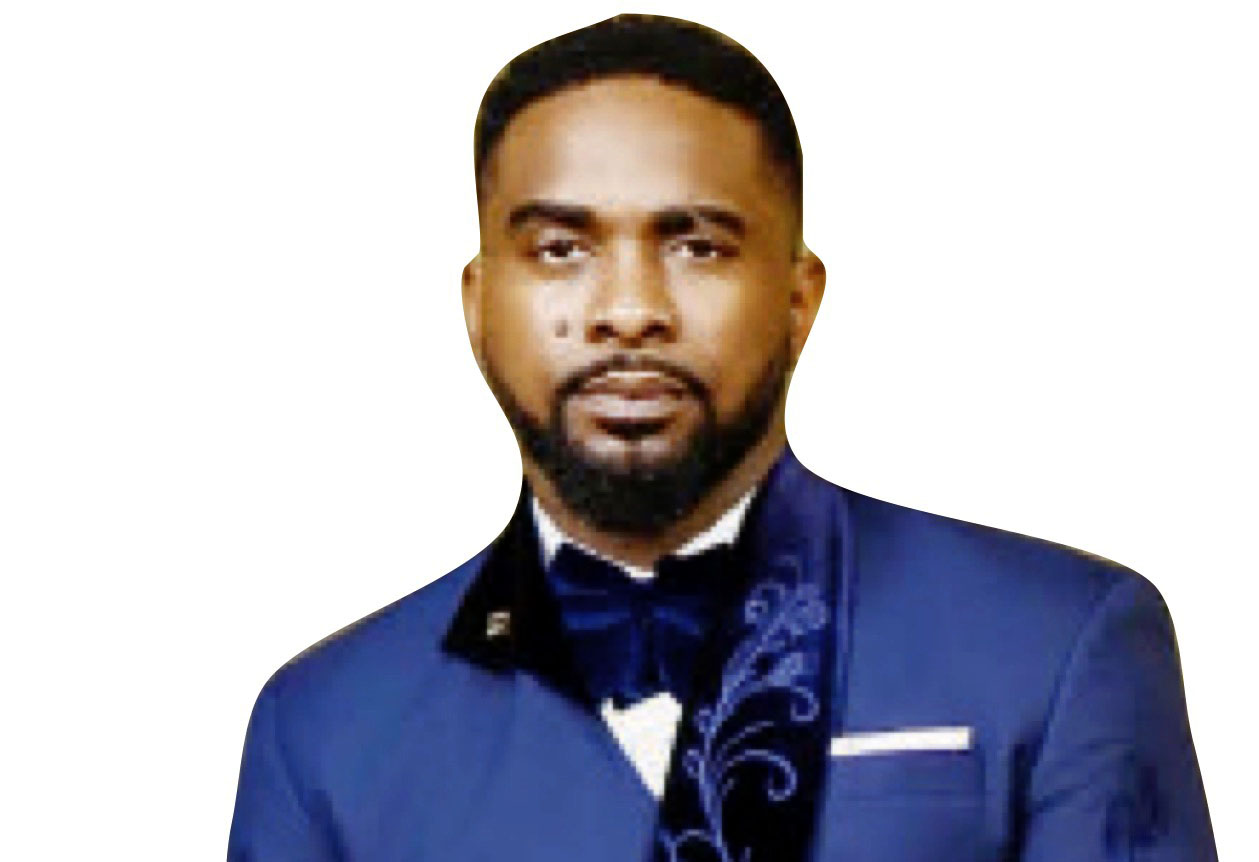
By Flourish Oparah
From trekking from Festac to the National Theatre in search of acting opportunities to becoming one of Nollywood’s most sought-after leading men, Uzor Arukwe’s journey to stardom has been anything but smooth. Armed with an Economics degree rather than formal acting training, the actor has built a reputation for his versatility, commanding screen presence and distinctive deep voice.
In a recent interview on the Tea With Tay podcast, the award-winning actor opens up about his early passion for the performing arts, the challenges of breaking into Nollywood without a formal acting background, the circumstances surrounding his career breakthrough, and the realities of fame and his decision to keep his family away from public scrutiny.
Enjoy!
How did acting start for you?
It’s been one hell of a ride. I’ve been doing this since even before I became a teenager. At 11, 12, that’s when I started. I fell in love with performing arts. My mom threw me into the choir. In primary and secondary school, I started dancing as well. And then I fell in love with drama. And since then, I never really stopped.
For me, it wasn’t a hobby. When I realised people made a living from it, I wanted to get better. Shows like Checkmate, Cockcrow at Dawn, Fortunes, Ripples, and The Third Eye — I saw all these people, and I felt these guys got a salary. They make money from this craft. So, if I’m so good that it’s undeniable, I feel like I can make money from it.
You studied Economics, not Theatre Arts. How did that happen?
My father is an engineer. My mom is a teacher, and I was the only child for 13 years. So, coming from an academic family, my father said I wouldn’t be an artist.
But there was no science in my blood. Every time I moved, I kept winning debate competitions, dancing, and singing. They thought it was a hobby. They thought I was growing up and would outgrow it.
And I did it twice because of them. I have two degrees. My first one was from Abia State University. My first degree was in Economics, and it was a third class. This is the first time I’ve admitted it anywhere.
How did you train as an actor?
I took masterclasses a lot. When I started surfing the internet, I took every masterclass I found online, and I paid for a lot of them.
John Njamah was one of my mentors, and one of the first acting books I got. One of the things I struggled with as a young artist was that every time I went into a space where there were thespians, they always made me feel like I was an outcast because I didn’t study acting.
But every time it came to performance, that was where “dark horse” came from. I made impressions.
You worked at Airtel before?
My first job was at Airtel. While I was at Airtel, I was still auditioning. I used to go to the National Theatre for auditions. I would trek from Festac to the National Theatre.
This was 2007, 2008, 2009, 2010 and 2011. One day, I took a bike from Palms to Ikorodu to shoot Dear Mother.
What made you quit your corporate job?
My former company took us to a training programme, and the facilitator said, “Whatever you do on the side will keep you on the sidelines.”
It was so profound to me. I went home broken. I was like, “I don’t want to be on the sidelines.”
Somehow, I lost my job at Airtel. I was fired, actually, because I had gone to an audition. One time, when I left the office for auditions or films, my colleagues used my login and did something illegal.
When the forensic investigation started, they found my login had been used multiple times. That was how I lost my job. I said, “Okay, let me go to this thing that God has called me to do.”
What was life like after you lost your job?
This happened in 2012. I did not book a job until November 2012. By December 2013, I hadn’t done a single stage play, not even a film. I wasn’t surviving. And in the midst of that, I had a ghastly motor accident. Life dealt me a lot.
Did you ever think you would make it?
I didn’t think I’d make it. I had no idea. It would be stupid to say I didn’t have hope, but you just put one foot in front of the other.
At one point, I said if I could take care of myself and my family, I’d say I’ve done okay.
I didn’t even understand the concept of blowing. I just always showed up, even on my bad days.
Were you once tagged as an Africa Magic face?
Some of my colleagues can tell. Something happened to me where they said I was an Africa Magic face. Some people said they didn’t like the mole on my face. All sorts of things. Sometimes, you hear, “Oh, your name was mentioned, but they just said your face was too much.”
What was the breakthrough moment?
Sometime in 2013, everybody had gone to work. It was around 11 a.m., almost 12 noon. I just sat down in my living room. I was like, “What kind of life is this?”
I just started worshipping and praying. It was a phone call from somebody I hadn’t spoken to in maybe four years. We did our master’s together, and she was a banker then.
She said, “Where are you? Can you come to Pelican in the next 10 minutes?”
I dropped everything. The film was My Name Is Ivy. It was an Iroko project. Jimmy was supposed to play the character, but because he felt it was too raunchy, Nancy and I did it.
Jimmy saw me and was like, “No, the only person who can do this is this guy.”
She gave me action. I entered it. From that time, if they had 10 films in a year, I was in about eight or nine, and that’s how my career just started.
So, it was literally the phone call in a place of prayer that ended my prayer.
Did Sugar Rush change everything?
Yeah, there was that. That was my first big-screen film. I was shooting Unbroken, Africa Magic’s Unbroken, at the time.
I got home from work around 10 or 11 p.m. and opened Instagram. I saw Jade and Bimbo. I was like, “God, this is the kind of film I want to make.”
I closed my phone and went to bed. By the next morning, I saw a call from Jadesola Osiberu.
Vinnie said, “There’s this thing. One of the actors messed us up. Can you come and do it for us?”
I took the gig while I was still on Unbroken. I filmed from morning till night on Unbroken, then shot with Jade all night for three days. I never slept.
How do you create your characters?
There’s only as much as my body knows. So I watch actors. I watch human beings.
I’m in a space, especially the beer parlour. When you see people’s mannerisms, they stay with you. You have an emotional reservoir. You have a reservoir where you store things. I could use this one day.
You are now called the husband of all women in Nigeria. How does fame feel?
It was unreal, man. I would go to the airport, walk through the airport, and people would be screaming. Staff and customers alike would scream and shout.
Even in the UK, people were screaming. I would enter my room and think, “What’s happening? It’s not real.”
It’s not like anything changes inside you. It’s just that on the outside, everything is happening.
I think women like that idea because it takes them away from reality. I feel like the thing resonates with a lot of them. So, yeah, I love them.
You keep your family private. Why?
I think a performer is supposed to be a performer and deliver what the audience needs, and he can also keep his life private.
His sanity in his personal life helps him show up as a performer.
I said that if I’m going to put my life out there for people, I would rather that people scrutinise me based on my work than drag my kids or my wife.
As a creative, you have to keep some things for yourself.
How did winning the AMVCA feel?
It felt like a relief. I didn’t care, but deep down, you want to cop one, you know? I’ve been nominated a few times and never really won, but this time, I did.
I didn’t expect it. I was already stepping out of the auditorium when they announced it, and I had to stop. I was like, “Is it me they called?” My manager was hysterical.
Man, I’ve seen it change things for the worse. I’ve seen people who, after their win, never really got gigs like that anymore.
It was one of the things I prayed to God for. I said, “I don’t want to win and then be forgotten. I want to be able to win and still go to work.”
What is next for you?
I’m never under pressure to overperform. The trajectory of my career will most probably, at some point, fall behind the camera — directing, maybe producing more.
I love to act, but I also love to teach film, drama, and acting.
How important is God to a creative?
I think He is very important. I’ll tell you why: because He’s the greatest creative that we’ve ever met. He created from nothing, and there is something about the relationship between the creative and God.
I know for a fact that God backs up the creative so much. If you’re an atheist or you don’t believe in God, that’s on you. For me, I can’t do without God. I really, literally can’t.