Follow Us on Google
From Abdulrazaq Mungadi, Gombe
For years, access to clean water in Dukku Local Government Area of Gombe State has come at a steep price, physically, financially,and emotionally. In this semi-arid community, water is not just a basic necessity, it is a daily struggle that shapes routines, livelihoods and even health outcomes.
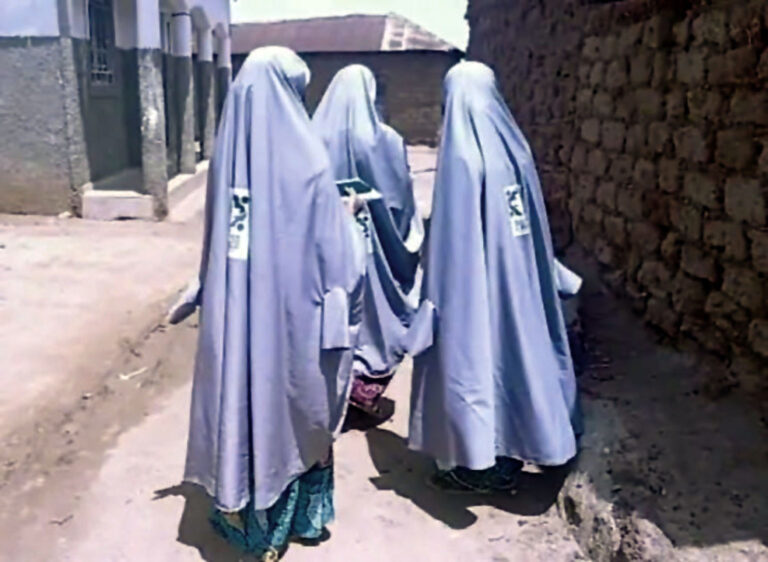
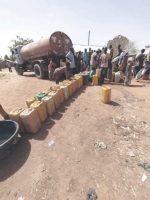
At dawn, long before the day’s heat sets in, women and children set out with empty containers, hoping to secure enough water to sustain their households. For many, the journey stretches across several kilometres.
Others rely on water vendors who transport water into the town from distant sources, sometimes as far as 20 kilometres away, driving up costs beyond the reach of average families. As someone noted, in Dukku, water has become a commodity, not a right.
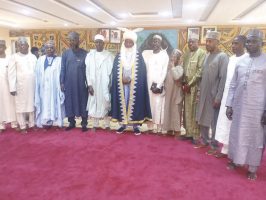
“It is disheartening,” said the Gombe State Commissioner for Water, Environment and Forest Resources, Mohammed Saidu Fawu, reflecting on the situation. “People are paying far more than they should just to access drinking water. The burden is enormous.”
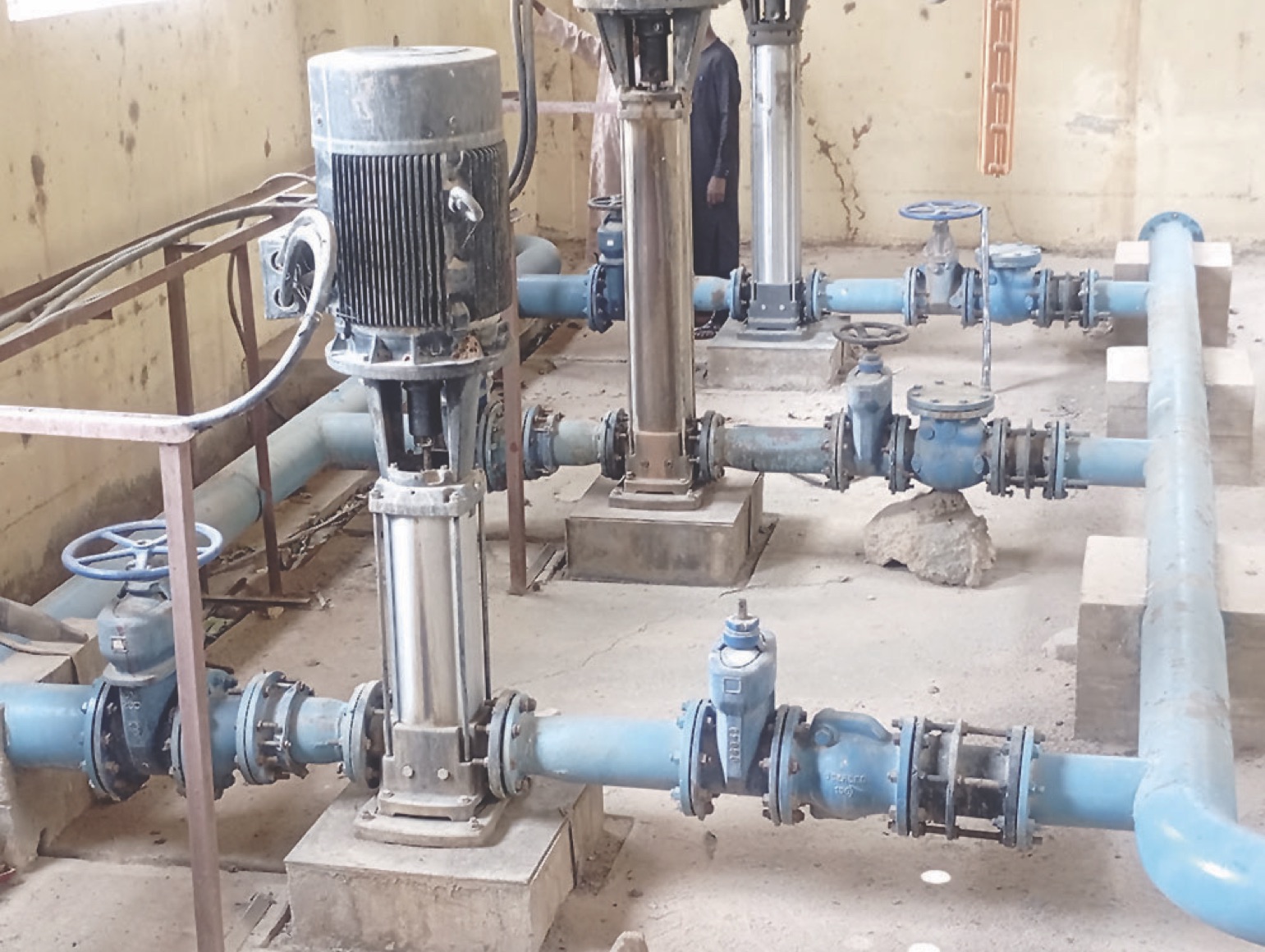
But amid years of scarcity and frustration, a modest yet significant intervention is beginning to change the narrative. The National Hydroelectric Power Producing Areas Development Commission (N-HYPPADEC) has donated two boreholes to the community, an emergency response designed to provide immediate relief while paving the way for a more comprehensive solution.
Though small in scale compared to the larger challenges, the impact is expected to be immediate and far-reachingFor households that have depended on inconsistent and expensive water sources, the boreholes represent convenience, affordability, and, above all, hope. The fact that the facilities will be powered by hybrid systems, reducing reliance on diesel and erratic electricity adds a layer of sustainability that residents have long been denied.
“This will go a long way in easing the suffering of our people,” Fawu noted, underscoring the importance of short-term interventions in crisis situations.
Yet, beyond the immediate relief, the donation signals something bigger, the beginning of a structured effort to address Dukku’s water crisis at its roots.
The N-HYPPADEC is already finalising plans for a full-scale intervention that will rehabilitate and expand the existing water scheme in the area. The proposed project is expected to improve raw water intake, upgrade infrastructure, and expand storage capacity to meet the needs of a growing population.
For community leaders, the development has ignited cautious optimism.
Chairman of Dukku Local Government Area, Adamu Muhammad Waziri, described the intervention as timely, noting that the town has endured years of neglect and underinvestment in water infrastructure.
The Emir of Dukku, Alhaji Haruna Abdulkadir Rashid, shares similar sentiments, expressing appreciation for what he sees as a genuine commitment to addressing a long-standing problem.
Still, for many residents, the real story lies beyond policy discussions and official assurances. It is in the relief of a mother who no longer has to choose between buying water and feeding her family. It is in the extra hours a child gains, hours that can now be spent in school instead of on water-fetching trips. It is in the dignity restored when access to clean water no longer depends on one’s ability to pay inflated prices.
Dukku’s water crisis did not emerge overnight, and it will not disappear with just two boreholes. But for a community long defined by scarcity, even small steps matter.
And sometimes, change begins not with sweeping reforms, but with something as simple and as powerful as water flowing freely from the ground.