Follow Us on Google

From Magnus Eze, Enugu
Multiple myeloma, also called Kahler’s disease, is one of the most prevalent bone marrow diseases worldwide.
This cancer, which starts in the bone marrow, is called bone marrow cancer or blood cancer, not bone cancer, and it happens when cells in the marrow begin to grow abnormally or at an accelerated rate. The disease can damage the bones, immune system, kidneys and red blood cell count.
Experts say symptoms may not be present or may be non-specific, such as loss of appetite, bone pain, unexpected fractures, frequent infections, fatigue, fever, kidney damage/and or failure and unexpected weight loss. According to them, other types of cancer can spread to the bones and bone marrow but they are not bone marrow cancer.
It is yet unclear what causes myeloma but research showed that a small percentage of patients has genetic predisposition.
Myeloma presently is not considered a curable cancer. Some data suggests that exposure to radiation, benzene, organic solvents, herbicides and pesticides increases risk. Obesity may also increase the risk but there is no clear association with tobacco and alcohol. The disease is not popular in Nigeria, as less than 100 patients get it in a year.
However, a non-government organisation, the Callistus Multiple Myeloma Foundation (CMMF) Nigeria, has come to assist multiple myeloma patients, particularly those in the South-East geopolitical zone.
The foundation said it was willing to support the patients in terms of getting diagnosis, treatment, and paying for their treatment. Treatment for the disease includes medication, chemotherapy, corticosteroids, radiation or a stem-cell transplant.
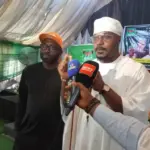
Executive director of the foundation, Tochukwu Obodougo, who made the disclosure during a sensitisation programme in Enugu recently, said they decided to create awareness and sensitisation on multiple myeloma disease, after the death of his father, Callistus, at 65 in 2013.
According to him, the body is still new in Nigeria but was founded in the United States of America as a non-profit in Midland, Texas, by his sister, Judith Onodugo.
He said: “It was after the death of my father from a cancer he suffered; after going around here in different Nigerian hospitals for many years, even going for an MIR test and nobody was able to diagnose the real problem. What everybody said was that he had a bone problem, but just within one week when he arrived in the U.S., he was diagnosed with cancer. That is to show you the medical gap that we have in Nigeria,” Obodougo said.
He further disclosed that, as at 2018, the foundation had identified about 13 patients suffering from the disease, including three women at the University of Nigeria Teaching Hospital, (UNTH). He stressed that several people who suffer from the disease might not be aware because of the difficulty in diagnosing it in Nigeria due to poor facilities and other factors.
“Currently, we are working in the five states of the South-East because the president of the foundation said we must start from the SouthEast. So, for the next three years, we shall be focusing on the region.
“We are the pioneers of this campaign in Nigeria, and we wish to partner with any agency, any donor, any hospital, any cancer research centre, anybody that is ready to partner with us,” Obodougo said.
Explaining further, board member of the foundation, communication specialist, Henry Chinwuba, stated that the nature of their intervention was on three levels.
“One, at the level of patients, we are willing to support the patients in terms of getting diagnosis, treatment, and paying for treatment of the patient.
“At the level of health practitioners and health institutions, we are willing to support capacity-building for health practitioners and even caregivers because handling multiple myeloma patients is delicate and it’s not everybody that knows how to handle it. So, we want to build the capacity of the nurses who handle the patients so that they can take care of the patients very well.
“At the other level, we are willing to support institutions where there is an equipment gap. Does the hospital have enough machines to conduct the test? We need to get that assessment, then we will know how to carry out intervention in that area.
“We are also carrying out advocacy to institutions such as the Federal Ministry of Health, the national council planning committee to see how we can bring funding and government awareness to create funding for this disease because Callistus Multiple Myeloma Foundation cannot do it alone.”
Chinwuba added that treatment of the disease was very expensive, citing a female patient at the UNTH who revealed that she had spent a fortune on treatment in the past three years; the disease destabilizes any family that has a bone marrow cancer patient.
“The woman we met at the UNTH told us that the disease has ruined her family and its economy, that they had to sell property to sustain her. According to her, she had spent over N23 million in the past three years. And I ask, how many people have this amount of money in Nigeria? That is why it is important to create awareness for people to know what to do and in good time,” Chinwuba said.