Follow Us on Google
By Doris Obinna
Lagos State Government has reassured residents that there is no immediate threat of Ebola Virus Disease in the state despite the ongoing outbreak in parts of Central and East Africa, saying its biosecurity and emergency response systems remain fully active and prepared for any eventuality.
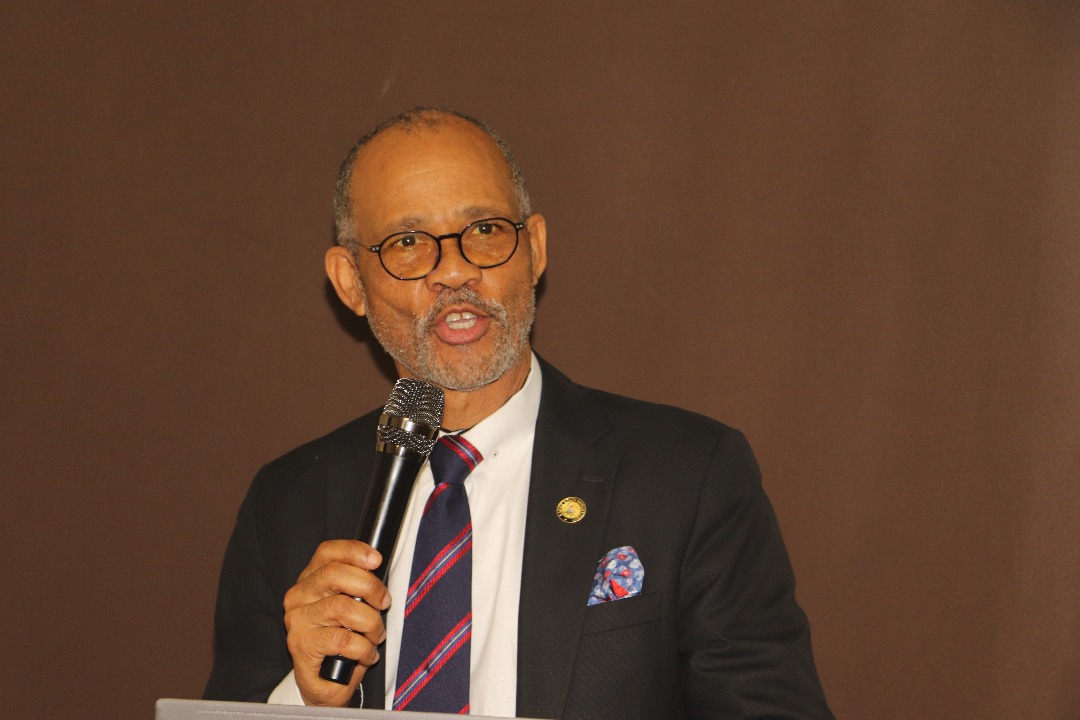
Commissioner for Health, Prof. Akin Abayomi, who disclosed this noted that Governor Babajide Sanwo-Olu had directed heightened surveillance, preparedness and rapid response measures across the state.
According to him, the outbreak, which has reportedly caused about 177 deaths from nearly 700 suspected cases, is currently limited to Congo and Uganda. “The World Health Organisation (WHO) had classified the situation as a Public Health Emergency of International Concern due to the difficult terrain in the affected regions and the potential challenges facing containment efforts,” he added.
Abayomi said no suspected case of Ebola had been identified in Lagos, stressing that the state’s health security system, built and strengthened after the 2014 Ebola outbreak and the COVID-19 pandemic, remained operational and resilient.
“The Lagos Biosecurity Bio-shield was built to protect and remains ready to respond to biological shocks. Preparedness for us is not a temporary reaction; it is a permanent culture embedded within our health system,” he said.
He explained that the Lagos State Incident Command System, led by the Governor, remains active to ensure swift coordination and deployment of resources during public health emergencies.
The commissioner added that the Lagos State Emergency Operations Centre will continue to operate round the clock with trained epidemiologists and disease surveillance specialists monitoring developments and ready for rapid outbreak investigation and containment.
Other News
He also said the Lagos State Infectious Disease Hospital, Yaba, had maintained a high level of readiness through dedicated isolation facilities, infectious disease specialists, intensive care units and triage systems capable of handling severe cases.
He further disclosed that the Biosafety Level-3 Laboratory and Biobank Facility within the hospital was carrying out enhanced surveillance operations for real-time diagnosis and monitoring of high-risk pathogens in collaboration with local and international public health laboratories.
The state government, he said, was also working closely with Port Health Authorities at the Murtala Muhammed International Airport, land borders and seaports, in partnership with the Federal Ministry of Health (FMoH), Federal Airports Authority of Nigeria (FAAN), Nigeria Centre for Disease Control (NCDC) and the Nigeria Institute of Medical Research (NIMR).
He noted that flights arriving from East and Central Africa were receiving increased public health scrutiny as part of efforts to strengthen early detection and risk mitigation measures.
The commissioner said community health workers, community development associations and civil society organisations had also been integrated into the state’s disease surveillance network to improve information gathering and early warning from communities.
He added that emergency stockpiles, including personal protective equipment, gloves, sanitisers and other critical medical supplies, had been positioned across strategic locations, while ambulance services had been deployed to support emergency response operations.
“Our focus remains firmly on prevention, early detection, prompt reporting and swift multi-sectoral response. Lagos remains vigilant, organised and safe,” Abayomi said.
He advised residents, especially those who recently travelled to Congo or Uganda or had contact with individuals returning from those countries, to seek medical guidance if they developed any health concerns or contact emergency lines 767, 112.