Follow Us on Google
By Merit Ibe
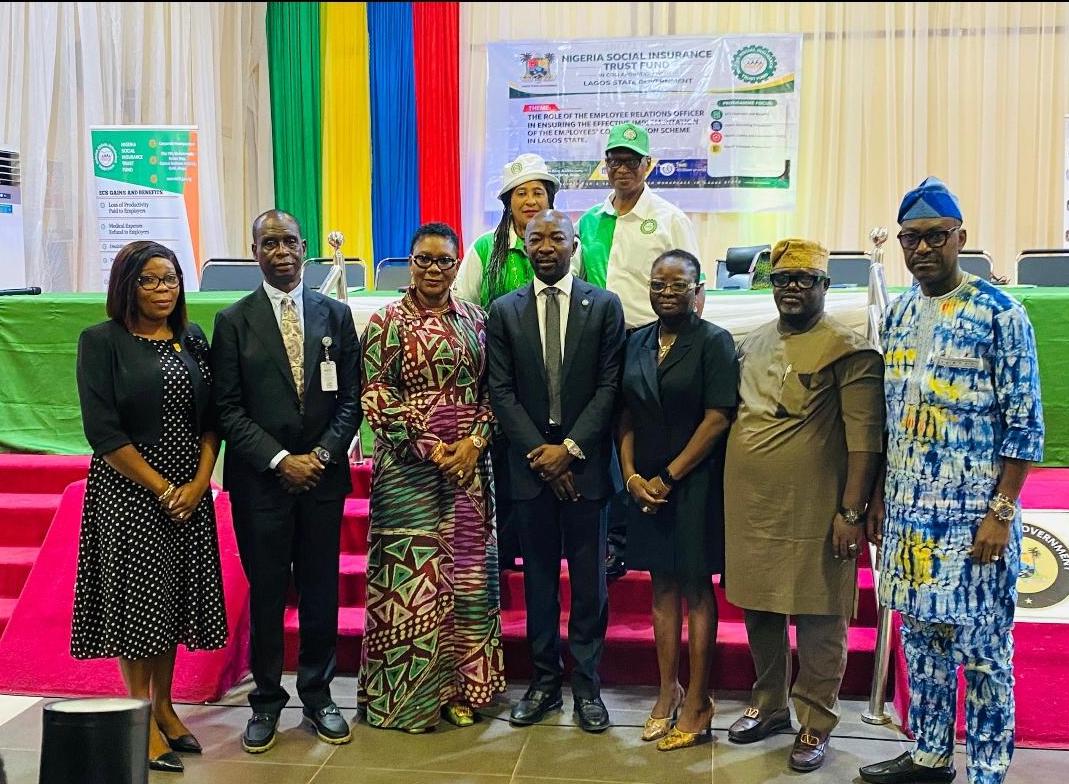
The Lagos State Government and the Nigeria Social Insurance Trust Fund (NSITF) have reaffirmed their commitment to improving the welfare and social security of public servants through the Employees’ Compensation Scheme (ECS).
This assurance was given at a workshop themed: “The Role of the Employee Relations Officer in Ensuring Effective Implementation of the Employees’ Compensation Scheme in Lagos.”
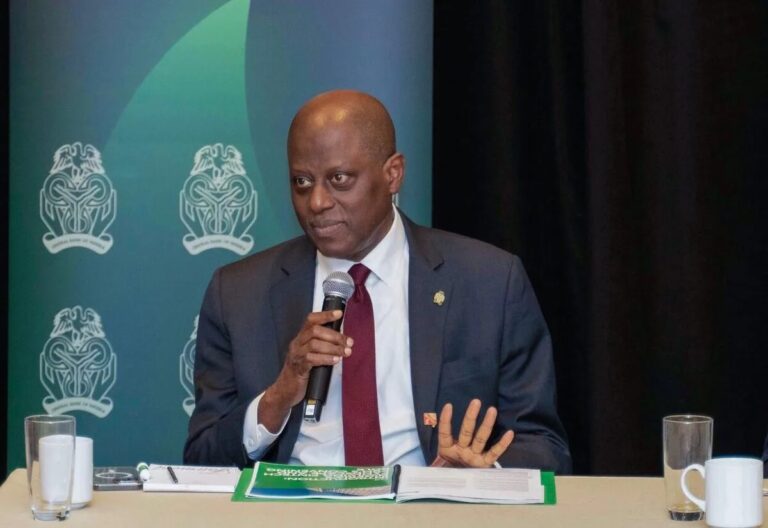
The Managing Director/CEO of NSITF, Oluwaseun Faleye, described the initiative as a major step toward strengthening worker protection in the state. Falaye noted that the decision to fully implement the ECS across Lagos public service reflects a strong commitment to workers’ welfare, dignity, and security.
He explained that the ECS, established under the Employees’ Compensation Act 2010, provides protection against workplace accidents, occupational diseases, disabilities, and death. The scheme offers medical care, rehabilitation, compensation, and financial support for dependents when necessary.
The NSITF boss stressed that effective implementation depends on accurate data, proper coordination across Ministries, Departments, and Agencies (MDAs), and consistent execution at operational levels.
“At its core, the Scheme represents a commitment that when the unexpected occurs, the system will respond with clarity, structure, and responsibility. It ensures that no worker, and no family, is left to bear the burden of work-related incidents alone.”
Other News
Highlighting the reality of the public service, Faleye explained that “If we reflect on the realities of public service, a civil servant leaves home each day with the expectation of fulfilling their duties and returning safely. “However, when unforeseen events occur, the real test of governance lies not in whether such risks exist, but in how the system responds when they do. It is at that critical point that the value of a well-implemented compensation framework becomes evident, because it guarantees that there is a clear pathway of support, a defined process of response, and a system that stands firmly behind the worker.”
He commended Lagos State for already possessing strong institutional structures, well-organized payroll systems, and established administrative processes, adding that “What is required now is not the creation of an entirely new system, but the effective integration of this Scheme into existing frameworks, thereby strengthening them and enhancing their overall impact.
Representing the Head of Service, the Permanent Secretary, Public Service Office, Sunkanmi Oyegbola, emphasized that the success of the scheme rests on MDAs. She urged directors and HR officers to educate staff, ensure awareness, and act promptly on implementation.
Also speaking, the General Manager, Claims and Compensation at NSITF, Nkiru Ede-Ogunnaike, called for the establishment of functional ECS help desks, faster claims processing, and a stronger workplace safety culture across the civil service.
She further charged Employee Relations Officers to understand their ECS responsibilities, report workplace incidents within 21 days, guide staff through claims processes, and ensure timely remittance of the required one per cent payroll contribution.
Both parties expressed confidence that full implementation of the scheme will create a more secure workforce and reinforce Lagos State’s position as a leader in public service welfare.