Follow Us on Google
By Chinenye Anuforo
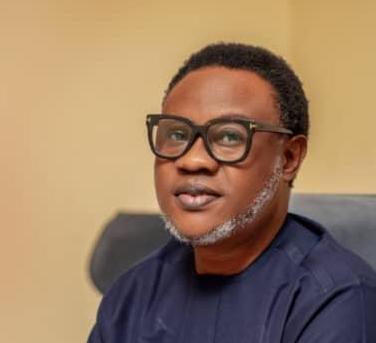
Stephen Adeniyi, a geotechnical engineer and safety consultant, stands at the heart of Lagos’ fight against building collapses. Lagos is currently struggling with recurring building collapses, and he emphasized the urgent need for stricter soil testing regulations and better enforcement of safety standards in construction. Adeniyi, a leading expert in geotechnical investigations, warned that many of the collapses stem from poor foundation assessments and a disregard for soil integrity.
“We cannot continue to build on weak foundations and expect different results. Soil testing should not be optional, it should be the law, enforced with zero tolerance for negligence,” Adeniyi stated.
He pointed out that while Lagos has existing regulations, enforcement remains weak, allowing developers to cut corners at the expense of human lives.
Lagos has witnessed multiple building collapses in recent years, with devastating consequences. Just last year, a high-rise building in Ikoyi crumbled, killing dozens of people. Investigations revealed that structural defects and foundation issues played a significant role in the disaster. Experts say the city’s rapid urbanization, coupled with poor regulatory oversight, has made construction safety a major concern.
According to Adeniyi, proper soil investigation could prevent many of these tragedies. “A building is only as strong as its foundation. If the ground cannot support it, failure is inevitable. The problem is that too many developers ignore this fundamental step in the rush to complete projects quickly,” he explained.
The Lagos State government has made efforts to tighten building control, but challenges persist. The Lagos State Building Control Agency (LASBCA) frequently issues demolition notices for unsafe structures, and their efforts are seen vastly in areas of enforcement and orientation. Many experts believe that without stringent geotechnical assessments, the state will continue to see preventable disasters. This is what the government and experts like Adeniyi refuse to give up on.
An Architect who has worked on several major projects in Lagos, agrees that geotechnical engineering should be a priority. “Developers often see soil testing as an unnecessary expense, but the cost of negligence is far greater. Lives are lost, investments are destroyed, and the city’s reputation suffers,” the architect said. The call for a system where soil investigations are mandatory before building approvals are granted.
Lagos residents are also growing increasingly concerned. A property owner in Lekki, name withheld, said he now insists on seeing soil test reports before investing in any development. “I don’t want to wake up one day and find my house sinking. Too many people have died because of weak regulations. It’s time we start holding developers accountable,” he said.
A big city like Lagos will continue its rapid expansion, and experts like Adeniyi are continually pushing for a shift in mindset—one where safety takes precedence over speed and cost-cutting. His call for mandatory soil testing and stricter enforcement of geotechnical regulations echoes a broader demand for accountability in the construction sector.
Whether the people of the city will take decisive action remains to be seen, but for now, voices like Adeniyi’s are making it clear: without serious reforms, Lagos will remain at risk of more preventable tragedies.