Follow Us on Google
By Doris Obinna
Lagos State pharmaceutical supply chain is currently facing crisis as more than 3,000 licensed medicine dealers under the National Association of Patent and Proprietary Medicine Dealers (NAPPMED) have raised alarm over their exclusion from the state’s flagship Coordinated Wholesale Centre (CWC) project in Ijora Badia.
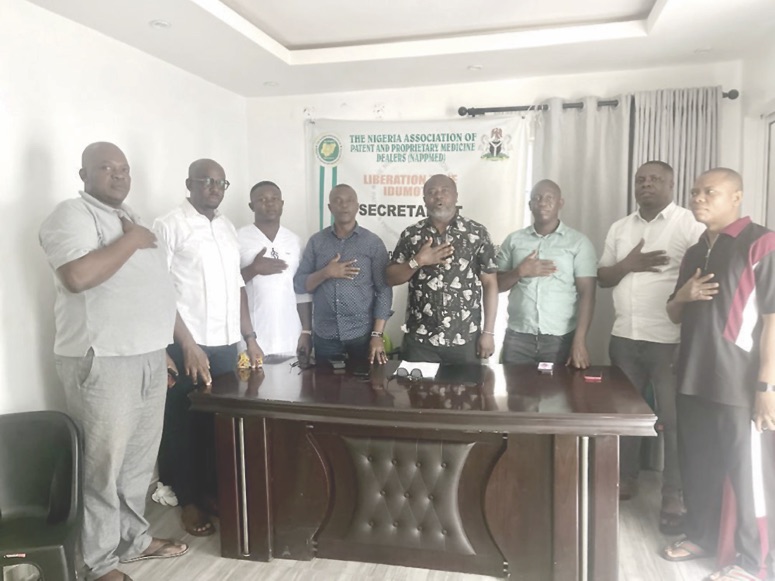
At a rally held in Idumota, Lagos, the traders warned that the exclusion of a significant portion of the city’s licensed pharmaceutical marketers from the CWC could trigger a collapse of the state’s regulated drug distribution system.
They urged urgent intervention from both the Federal and Lagos State Governments, along with regulatory bodies such as the Pharmaceutical Council of Nigeria (PCN) and the National Agency for Food and Drug Administration and Control (NAFDAC).
According to the dealers, the CWC project initially conceived as a centralised, regulated hub for pharmaceutical wholesale operations has been taken over by private interests who have sidelined the original contributors. The land for the CWC was reportedly acquired through collective financial input from NAPPMED members, yet many of those contributors now find themselves priced out of the very marketplace they helped establish.
Chairman, NAPPMED’s Liberation Zone, Lagos Island, Osita Nwajide, described the situation as a direct threat to the integrity of Lagos’s drug distribution chain. He said the facility under construction provides only 720 shop units, far fewer than the number needed to accommodate the more than 3,000 licensed traders in the Lagos Island axis alone. With shop prices allegedly soaring as high as ₦93.5 million, Nwajide argued that small- and medium-scale drug dealers have effectively been locked out.
“This is not just an issue of affordability. It is a systemic threat to the entire pharmaceutical supply framework in Lagos. When genuine, licensed dealers are excluded, the risk of unregulated and counterfeit drugs infiltrating the market increases dramatically.”
Further complicating the issue are allegations surrounding the transfer of land ownership. A founding member of NAPPMED Dr. Gabriel Onyejamwa, explained that the title to the land was initially held in trust for the traders but was later transferred to a private firm, City Pharmaceuticals, under questionable circumstances.
Onyejamwa, who is also one of the original architects of the CWC project, said repeated attempts to engage the current managers of the project have been ignored, leaving long-standing contributors out of the planning and allocation process.
NAPPMED officials fear the current trajectory will undo years of effort to sanitise drug distribution in Lagos. They warn that the marginalisation of licensed medicine dealers could lead to a resurgence of informal drug markets unregulated environments that have historically been breeding grounds for counterfeit and substandard pharmaceuticals.
The association, therefore is calling for immediate government intervention to establish a second CWC that is affordable, transparent, and inclusive. They are also advocating for capped shop rental prices to ensure participation by lower-income dealers, and for strong regulatory oversight to prevent future abuses of trust and process.
“The distribution of medicines is a matter of national security. It cannot be left in the hands of a few profit-driven entities. Millions of Nigerians depend on a safe, transparent, and equitable supply chain for their health and well-being. We cannot afford to let this system collapse,” Onyejamwa added.
They are also demanding a moratorium on current shop allocations until a fair and inclusive distribution model is established and warn that failure to address these concerns could prompt widespread resistance and a parallel distribution market, which would defeat the very purpose of the CWC initiative.