Follow Us on Google
By Adebowale Johnson
In a move to decentralise Nigeria’s film industry and foster inclusive growth, the National Film and Video Censors Board (NFVCB) has designated Kaduna State as a strategic hub for indigenous film development, talent nurturing, and industry capacity building.
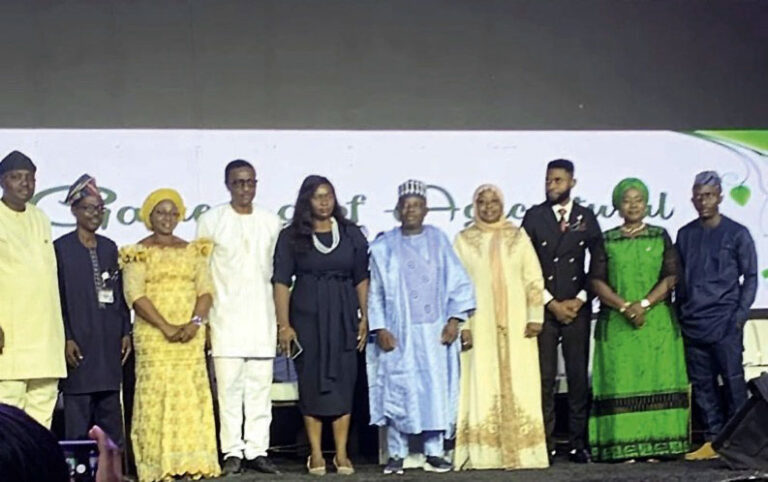
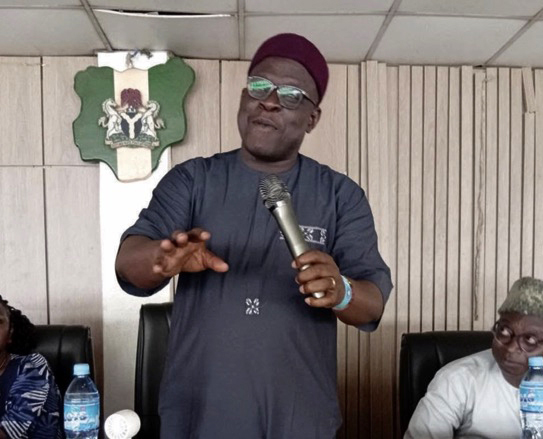
This declaration was made during a high-level stakeholders’ engagement organised by the NFVCB in Kaduna, which brought together filmmakers, guild leaders, and officials from the Kaduna State Ministry of Business and Innovation.
The interactive session, held at the Federal Secretariat Conference Hall, provided a platform for frank discussions on regulatory compliance, prevailing industry challenges, and sustainable pathways for the growth of the creative sector in northern Nigeria.
Central to the engagement was the NFVCB’s decision to host the grand finale of the Nigerian Indigenous Film Showcase in Kaduna. The initiative is viewed as a deliberate strategy to shift focus beyond the traditional film industry centres of Lagos and Abuja, thereby stimulating local economies and unlocking creative potentials in previously underserved regions.
Speaking at the event, the Executive Director/Chief Executive Officer of the NFVCB, Dr. Shaibu Husseini, described the move as both strategic and inclusive.
“We are intentional about taking the industry to the people. Hosting the grand finale of the Indigenous Film Showcase in Kaduna is part of our broader vision to create opportunities, deepen capacity, and unlock the economic potential of filmmaking across Nigeria,” Husseini said.
He further highlighted the creative industry’s potential as a key driver of economic diversification, stressing that targeted investments in film production, training, and infrastructure could generate significant employment opportunities and engage the youth population in productive activities.
The NFVCB also unveiled plans to roll out a series of specialised training programmes aimed at equipping local filmmakers with modern skills needed to compete effectively in the global film market.
On regulation, Husseini issued a firm warning against the release of unapproved content, particularly on digital platforms such as YouTube.
“Unapproved releases on YouTube and other platforms will no longer be tolerated. Filmmakers must adhere strictly to laid-down guidelines to preserve the integrity and professionalism of the industry,” he warned.
Also addressing the gathering, the Acting Director of Licensing and Documentation at the NFVCB, Rhoda Dandura, urged content creators to exercise greater responsibility in storytelling.
“We must be deliberate about the kind of stories we tell, especially in protecting younger audiences who are highly impressionable and represent the future of this country,” Dandura said.
Stakeholders, who participated in the session described the engagement as timely and productive, noting that it offered much-needed clarity on regulatory requirements while reinforcing the Board’s commitment to supporting industry expansion.
In his closing remarks, Husseini assured participants that the Kaduna engagement marked the beginning of sustained collaboration, with follow-up initiatives planned to build on the outcomes of the meeting.
A representative of the Kaduna State Ministry of Business and Innovation, Zwahu Yanwaidi, pledged the state government’s full support towards hosting the Indigenous Film Showcase and facilitating the proposed training programmes for creatives in the state.
The meeting concluded on a note of cautious optimism, with participants expressing confidence that consistent regulatory guidance, combined with deliberate investments in capacity building, would position Kaduna as a vibrant and important node in Nigeria’s evolving film ecosystem.