Follow Us on Google

• faults political parties over weak gender inclusion efforts despite years of advocacy
From Juliana Taiwo-Obalonye, Abuja
Civil Society Legislative Advocacy Centre (CISLAC) has called on the Nigerian government to prioritise transformative gender reforms that guarantee equality, empowerment, and the full participation of women and girls in all aspects of national development.
In a statement commemorating the 2026 International Women’s Day (IWD), themed “Invest in Women: Accelerate Progress,” CISLAC expressed concern that recent developments indicate a reversal of previous gains made in advancing women’s rights, inclusion, and representation across key sectors.
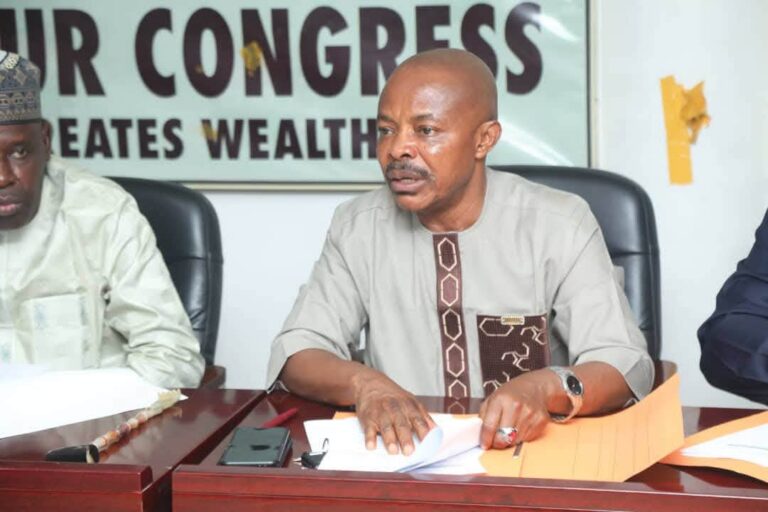
The statement, signed by the organisation’s Executive Director, Auwal Musa Rafsanjani, noted that although awareness of gender equality has increased over the years, Nigerian women continue to face discrimination and systemic exclusion from political, economic, and social structures. Rafsanjani stressed that Nigeria must go beyond symbolic gestures and take deliberate steps to embed gender transformation within governance, legislation, and institutional practices.
“Transformative changes in governance, legal frameworks, and institutional practices are necessary to accelerate the development of women and girls in Nigeria. Without deliberate gender transformation, the progress we have made over the years risks being eroded,” he stated.
CISLAC lamented that despite years of advocacy, political parties in the country have failed to demonstrate adequate commitment to gender balance and inclusivity in leadership structures. The organisation observed that the absence of affirmative action within party constitutions has continued to limit women’s access to elective and appointive positions. It further described the exclusion of women from political leadership as a recurring obstacle that weakens their influence in governance and policymaking.
Other News
“The exclusion of women from party leadership positions and candidate lists reflects a systemic disregard for gender balance,” CISLAC noted. “If political parties fail to institutionalise affirmative measures, women will remain on the margins of governance, with limited capacity to influence decisions that shape their lives and communities.”
Raising concerns about women’s economic status, the organisation highlighted the persistent gender gap in access to credit, financial services, and economic opportunities. It described the situation as “double poverty and exploitation,” pointing out that economic marginalisation remains a major barrier to achieving inclusive growth and sustainable development.
“Economic empowerment remains one of the most critical pathways for liberating women from poverty,” CISLAC stated. “Ensuring women’s access to credit facilities, productive resources, and economic opportunities is essential to achieving inclusive growth and sustainable national development.” Rafsanjani added that implementing gender-responsive budgeting and equitable access to financial interventions across all levels of governance would significantly improve women’s economic participation, especially in rural communities.
The organisation also expressed deep concern over the alarming rise in gender-based violence nationwide, including sexual assaults, kidnappings, forced marriages, harassment, and other forms of abuse targeted at women and girls. CISLAC condemned attempts to normalise such violence and urged security agencies and judicial institutions to strengthen accountability mechanisms and ensure justice for victims.
“The attempt to normalise violence against women is dangerous and unacceptable. Government authorities must ensure justice for victims and create safer environments where women and girls can thrive without fear,” the organisation stressed.
While acknowledging the resilience, creativity, and contributions of Nigerian women in governance, business, education, healthcare, and community development, CISLAC emphasised that barriers such as poor institutional support, legal loopholes, and socio-cultural discrimination continue to slow their advancement. It therefore urged government institutions, political parties, civil society groups, and the private sector to work together in transforming policies, strengthening legal protections, and promoting inclusive opportunities that drive gender equality across all sectors.
The Centre reaffirmed its commitment to promoting accountability, transparency, and inclusive governance, pledging continued advocacy for policies and reforms that safeguard the rights, dignity, and active participation of women and girls in Nigeria’s sustainable development.