Follow Us on Google
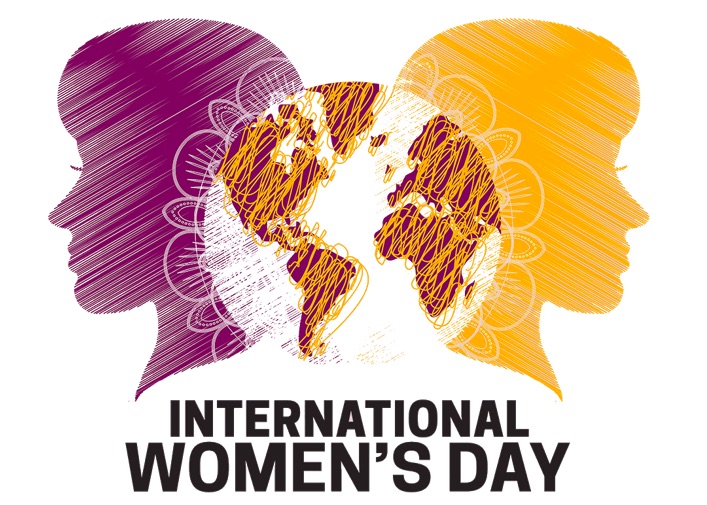
The International Women’s Day (IWD) marked on March 8, called not merely for celebration but for sober reflection. The IWD draws attention to gender equality and highlights, among others, women’s reproductive rights, violence and abuse against women and girls. This year’s theme is “Rights, Justice, Action for All Women and Girls.” Over the decades, women have become more visible in public life. They lead corporations, serve in government, excel in science and education, and drive social change across the globe. Yet visibility has not translated into equality. Across many sectors, women and girls remain significantly disadvantaged despite constituting roughly half of humanity.
Globally, women continue to lag behind men in political representation, economic opportunity and personal security. According to UN Women, women hold only about a quarter of parliamentary seats worldwide and remain underrepresented in executive leadership.
The World Bank notes that women participate less in the labour force and earn, on average, about 20 per cent less than men globally.
The World Health Organisation estimates that about one in three women worldwide experience physical or sexual violence in their lifetime, most often at the hands of intimate partners. These figures illustrate a stubborn global pattern: women and girls still face systemic barriers that limit their full participation in society.
The situation in Nigeria is particularly troubling. Women make up almost half of the country’s population and contribute enormously to its economic and social life, yet they remain marginalised in political leadership and decision-making.
The current National Assembly starkly reflects this imbalance. Women occupy only about 4.2 per cent of seats in the federal legislature—one of the lowest levels of female representation in the world. In the 109-member Senate, only four members are women, while the House of Representatives has just 16 female lawmakers out of 360 seats. These figures are striking when placed beside global averages. According to data compiled by the World Bank, women hold about 25 per cent of parliamentary seats worldwide, compared with about four per cent in Nigeria.
Even more telling is Nigeria’s executive leadership record. Since independence, the country has never had a female president or vice president. No woman has ever been elected state governor.
The closest Nigeria has come was in 2006 when Virginia Etiaba briefly served as governor of Anambra State. She assumed office after the impeachment of Governor Peter Obi by the state legislature. However, a court later overturned the impeachment, and Obi was reinstated after about three months, ending Etiaba’s short-lived tenure.
Other News
Some hold that politics is an open field and that women should simply compete like everyone else. But the impediments lie in the deeply entrenched patriarchal structures that shape Nigerian society. Political parties are largely controlled by male power brokers, campaign financing is prohibitively expensive, and women candidates often face intimidation, harassment and cultural prejudice.
Beyond politics, Nigerian women face multiple forms of discrimination. In many communities, customary laws still deny women the right to inherit property. Harmful practices such as female genital mutilation persist in parts of the country despite legal prohibitions. The United Nations Children’s Fund has repeatedly warned that millions of Nigerian girls remain at risk of the practice.
Education and security challenges compound the problem. Schoolgirls are targeted by insurgent groups which carry out mass kidnappings. These attacks not only traumatise victims but also discourage families from sending girls to school, thereby deepening gender inequality.
Women and girls also face alarming levels of violence and health risks. According to the United Nations Population Fund, Nigeria has one of the highest maternal mortality rates in the world, with hundreds of women dying for every 100,000 live births due to complications during pregnancy and childbirth. Sexual violence is another grave concern. Rights groups and police data indicate thousands of rape cases are reported annually, though experts believe the real figure is far higher because many victims remain silent due to stigma and fear.
Domestic violence is equally pervasive. Many women suffer abuse within their homes from spouses or partners. Studies cited by international organisations suggest that a significant proportion of Nigerian women have experienced intimate partner violence at some point in their lives. These realities reveal a stark truth: women and girls in Nigeria continue to suffer violence, inequality and exclusion in both public and private spheres. This is not merely a women’s issue; it is a national development challenge. Societies that exclude half their population cannot reach their full potential.
The government must therefore take deliberate steps to address these injustices. Laws protecting women and girls must be strengthened and enforced. Cultural practices that undermine women’s rights must be challenged.
Greater political inclusion—possibly through affirmative action or electoral reforms—should be seriously considered. Investment in girls’ education, maternal health and economic empowerment must also become a national priority.
Women and girls have the right to safety, dignity and full participation in society. Apart from celebrating the IWD, Nigeria must move beyond symbolic gestures and commit to real change. The nation owes its women and girls nothing less than a fairer deal.