Follow Us on Google
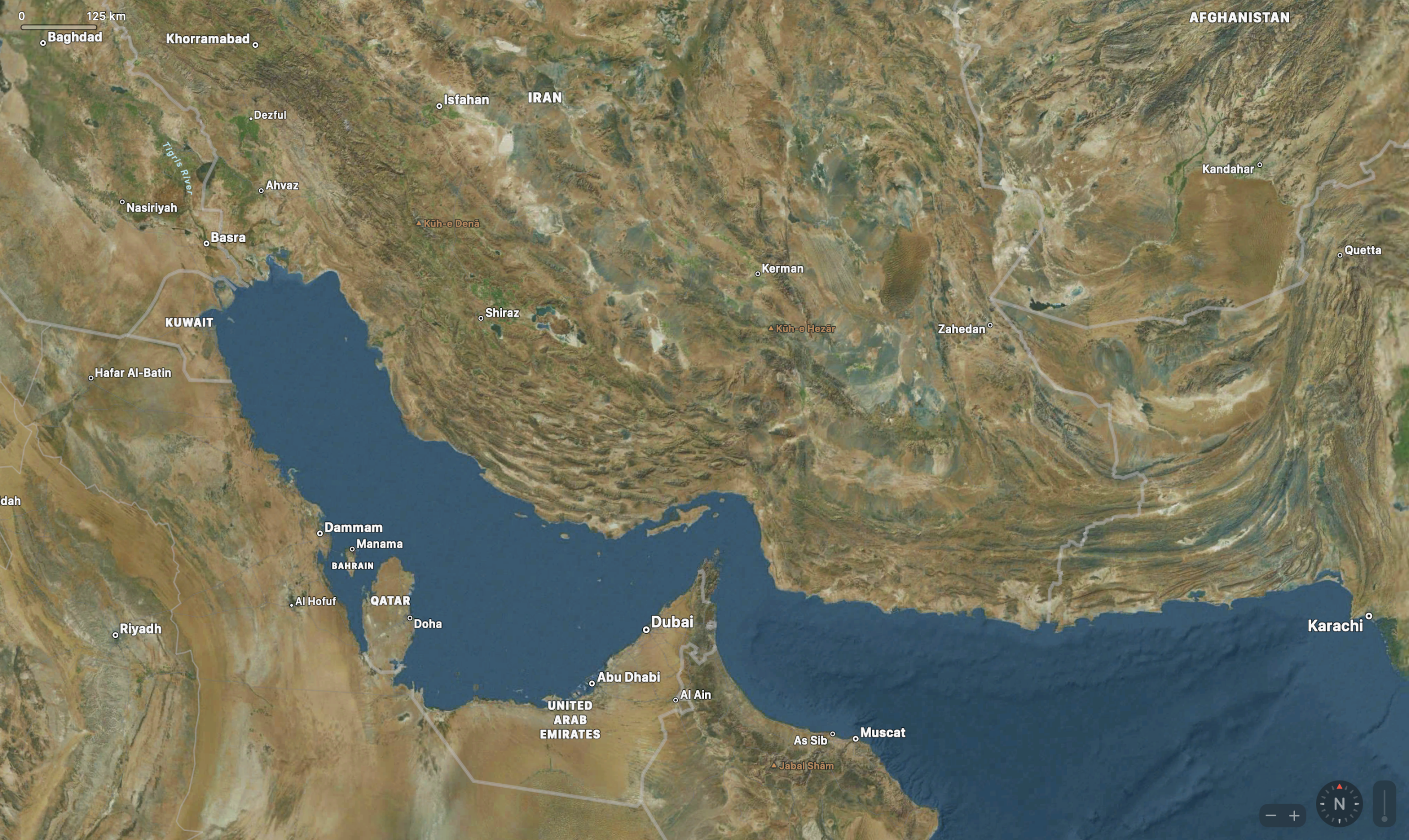
Iran has announced the closure of the Strait of Hormuz after its forces fired a naval cruise missile at a vessel it accused of navigating through an unauthorised route, triggering a fresh escalation in tensions with the United States and raising fears over global oil supplies.
The announcement came after the Islamic Revolutionary Guard Corps (IRGC) said it intercepted the vessel, fired what it described as warning shots, and forced it to stop after it allegedly ignored repeated instructions. The development was followed by a new wave of US military strikes targeting Iranian positions.
In retaliation, the IRGC declared the strategic Strait of Hormuz closed until further notice and launched fresh attacks on US military bases and allied positions across the Middle East, signalling a sharp deterioration in the fragile ceasefire reached only weeks ago.
In a statement published by the IRGC-affiliated Tasnim News Agency, Iran accused foreign powers of violating the security of one of the world’s most important maritime trade routes through what it described as unauthorised shipping activities.
The military said the latest confrontation had made the closure of the Strait unavoidable.
“Given the precariousness that was caused by this unlawful interference by outside parties, the Strait of Hormuz is to be closed until further notice and until regional interference by the US ceases,” the statement read.
“No vessel or naval craft will be allowed to pass.”
The IRGC further warned that any attempt by the United States to challenge the blockade would attract a forceful military response, adding that American military bases across the region would become legitimate targets if hostilities continued.
Iran’s parliamentary speaker and chief negotiator with the United States, Mohammed Bagher Ghalibaf, also delivered a strongly worded message on X, declaring that Tehran would no longer accept what it described as unequal agreements.
“The era of one-sided deals is OVER.”
“We told you: keep your word or pay the price. Reality is knocking.”
The latest confrontation threatens to unravel the peace agreement reached between Washington and Tehran in June, which sought to end months of conflict across the Middle East, reopen the Strait of Hormuz to international shipping and restore stability to global energy markets.
Although both countries had agreed to sign the deal in Switzerland, the agreement has repeatedly come under strain as both sides exchanged retaliatory military strikes, while negotiations over Iran’s nuclear programme remained unresolved.
The renewed hostilities have revived concerns over the security of one of the world’s busiest oil transit corridors, with any prolonged disruption to shipping through the Strait of Hormuz expected to have significant implications for global crude oil prices, energy supply chains and inflation worldwide.