Follow Us on Google

By Adewale Sanyaolu
The Civil Society Legislative Advocacy Centre (CISLAC) has called for the investigation of the movement and spending of loans received by the Federal Government in the past and present administrations, including but not limited to the $3.4 billion loan obtained from the International Monetary Fund (IMF).
CISLAC is a non-governmental, non-profit, advocacy, information sharing, research, and capacity building organisation. Its mission is to strengthen the link between civil society and the legislature through advocacy and capacity building for civil society groups and policy makers on legislative processes and governance issues.
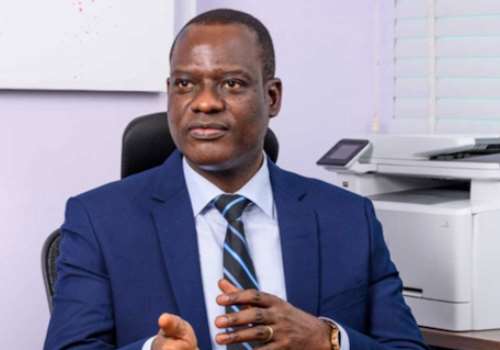
CISLAC Executive Director, Mr. Auwal Ibrahim Musa, disclosed this during a presentation of research on Tax Expenditure and Debt Management in Nigeria to the media in Lagos, recently.
According to CISLAC, the loans are reported in the 2020 annual audited report published by the Auditor-General of the Federation.
CISLAC further faulted the lack of accountability mechanism in utilization of loans for the purpose for which they were granted/taken, raising concerns that the 2020 annual audit report published by the Auditor-General of the Federation revealed there was no document to show the movement and spending of the $3.4 billion COVID-19 emergency financing package loaned to Nigeria in April 2020 by IMF.
The body lamented that compounding Nigeria’s fiscal woes are significant revenue losses attributed to tax expenditures, encompassing incentives, exemptions, credits, and waivers.
‘‘According to the 2021 Tax Expenditure Statement (TES), revenue foregone due to tax expenditures accounted for approximately 4 per cent of GDP, equating to N6.8 trillion. This substantial leakage of revenue underscores the urgency of addressing tax expenditure and debt management issues with utmost priority,’’.
Other demands by CISLAC in pursuit of responsible debt management, which it wants commitments and actions to be taken on include; revising legal and institutional frameworks related to debt revising legal and institutional frameworks related to debt management, emphasizing transparency and accountability which includes empowering bodies like the Fiscal Responsibility Commission and the Debt Management Office to enforce laws and regulations.
Others are; enhancing oversight of government borrowing activities to ensure transparency, accountability, and adherence to fiscal discipline, strengthening debt sustainability assessments to assess the affordability and risks associated with new borrowing initiatives.
Exploring innovative financing mechanisms and debt restructuring options to alleviate debt pressures and create fiscal space for priority investments in infrastructure, human capital, and social services management, emphasizing transparency and accountability,enhancing oversight of government borrowing activities to ensure transparency, accountability, and adherence to fiscal discipline.
Strengthening debt sustainability assessments to assess the affordability and risks associated with new borrowing initiatives, exploring innovative financing mechanisms and debt restructuring options to alleviate debt pressures and create fiscal space for priority investments in infrastructure, human capital, and social services.
The CISLAC boss worried that Nigeria is currently confronting a severe fiscal crisis marked by a consistent decline in federal government revenue over the past half-decade, saying central to this concern is the government’s overreliance on unsustainable debts which is perpetuated by unrealistic/over bloated budgets, weak revenue mobilization efforts, misplaced spending priorities and a lack of transparency and accountability in public finance management.
‘‘This alarming trend is evidenced by substantial shortfalls in revenue, with deficits ranging from 31 per cent to as high as 50 per cent in the years spanning 2018 to 2023.
Concurrently, Nigeria’s overall debt burden has skyrocketed, reaching a staggering N97.34 trillion in the fourth quarter of 2023 from N87.9 trillion ($114.3 billion) as of June 2023. While Nigeria’s debt profile continues to grow, and it allocates most of its budget revenue to debt servicing at the expense of investing in more critical social sectors and infrastructural development,’’.