Follow Us on Google

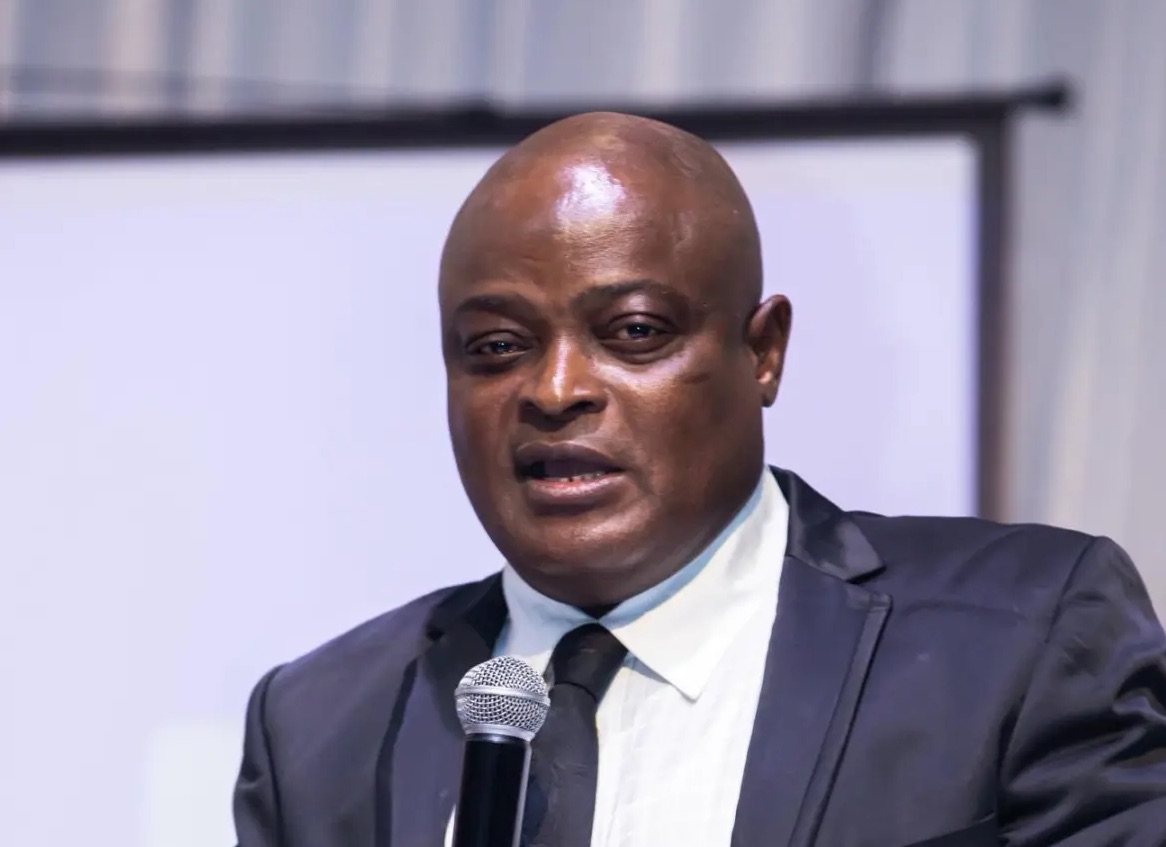
Speaker of the Lagos State House of Assembly, Mudashiru Obasa, has called on African governments and parliaments to translate commitments against hunger and malnutrition into enforceable legislation, adequate budgetary allocations and effective oversight.
Obasa made the call at the Third Global Parliamentary Summit on Hunger and Malnutrition, held in Nairobi, Kenya, from November 16 to 17, where he outlined measures adopted by Lagos State to strengthen food security and agricultural productivity.
Represented by a delegation of lawmakers, senior assembly officials and legislative aides, the Speaker said legislative intervention was essential to addressing rising food insecurity.
“We are not treating the issues of hunger and malnutrition in Lagos or Nigeria with levity. Under President Bola Ahmed Tinubu’s Renewed Hope Agenda, the Federal Government has approved the National Nutrition Bill 2026 and the revised National Policy on Food and Nutrition,” he said.
According to him, the measures are intended to strengthen governance, sustainable financing and coordination of nutrition programmes nationwide.
Obasa said Lagos, with a population exceeding 22 million and limited arable land, was pursuing food security through technology, interstate collaboration, agricultural investment, reduction of post-harvest losses and improved distribution.
He cited the Imota Rice Mill in Ikorodu, commissioned in January 2023, which he said had the capacity to produce 2.8 million 50kg bags of rice annually and generate 1,500 direct and 254,000 indirect jobs.
The Speaker also highlighted the N500 billion Produce for Lagos Offtake Guarantee Fund, designed to support food producers, bulk traders and logistics operators through improved market access and financing.
Other News
He disclosed that food hubs had been completed and commissioned in Mushin, Abijo and Agege, while construction of the 500-hectare central food logistics hub in Epe had reached 70 per cent completion.
On legislative measures, Obasa recalled the passage of the Anti-Open Grazing of Livestock Law in September 2021 and disclosed that more than N80 billion had been allocated to agriculture and food systems across recent budget cycles.
He added that the Assembly was advancing a Food Hub Bill to formalise market operations, strengthen food safety standards and improve coordination across the agricultural value chain.
“As legislators, we back every effort to combat hunger and malnutrition with concrete laws and oversight. The Lagos State House of Assembly will continue to deepen this work. We will maintain and increase budgetary allocations for resilient agrifood systems. We will strengthen oversight mechanisms and refine laws to promote climate-smart agriculture,” he said.
The summit, organised by the Parliament of Kenya, the Food and Agriculture Organisation of the United Nations and the Spanish Agency for International Development Cooperation, attracted more than 200 parliamentarians from over 60 countries.
Kenyan President William Ruto, in his keynote address, urged governments to prioritise legislation and budgetary provisions for food security, warning that Africa could account for nearly 60 per cent of the world’s hungry population by 2030 if urgent measures were not taken.
“A right without a budget line is a slogan,” Ruto declared.